Part scope
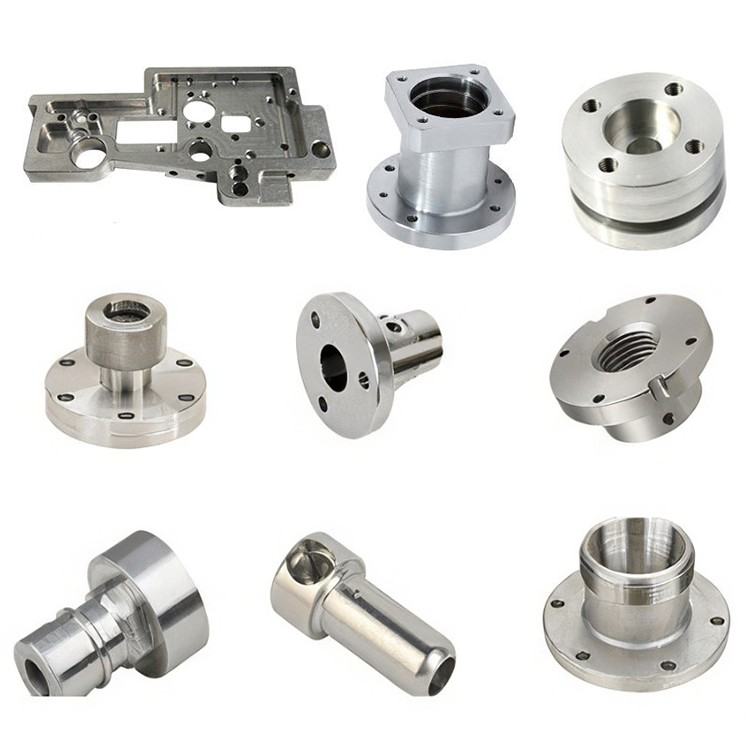
Brackets, plates, housings, shafts, sleeves, spacers, bushings and custom blocks
Buyers sourcing custom CNC machined parts need a supplier that can read drawings, confirm manufacturability and keep the quotation tied to the actual part function. This page explains what to send, what to confirm and how XHR reviews the order before pricing.
Use this page when you already have drawings or a part concept and need to decide whether XHR is a fit for the process, material and inspection requirements.
Custom machined parts often include functional brackets, plates, housings, connectors and mechanical interfaces that must fit into a larger assembly.
Setup, tool access, material availability, tolerance control, finish, inspection and packing usually decide the final price more than part size alone.
A short RFQ with drawing revision, quantity and critical dimensions gives XHR enough context to review the part instead of guessing.
Prototype parts, low-volume orders, repeat parts and replacement components for machines, fixtures and product development.
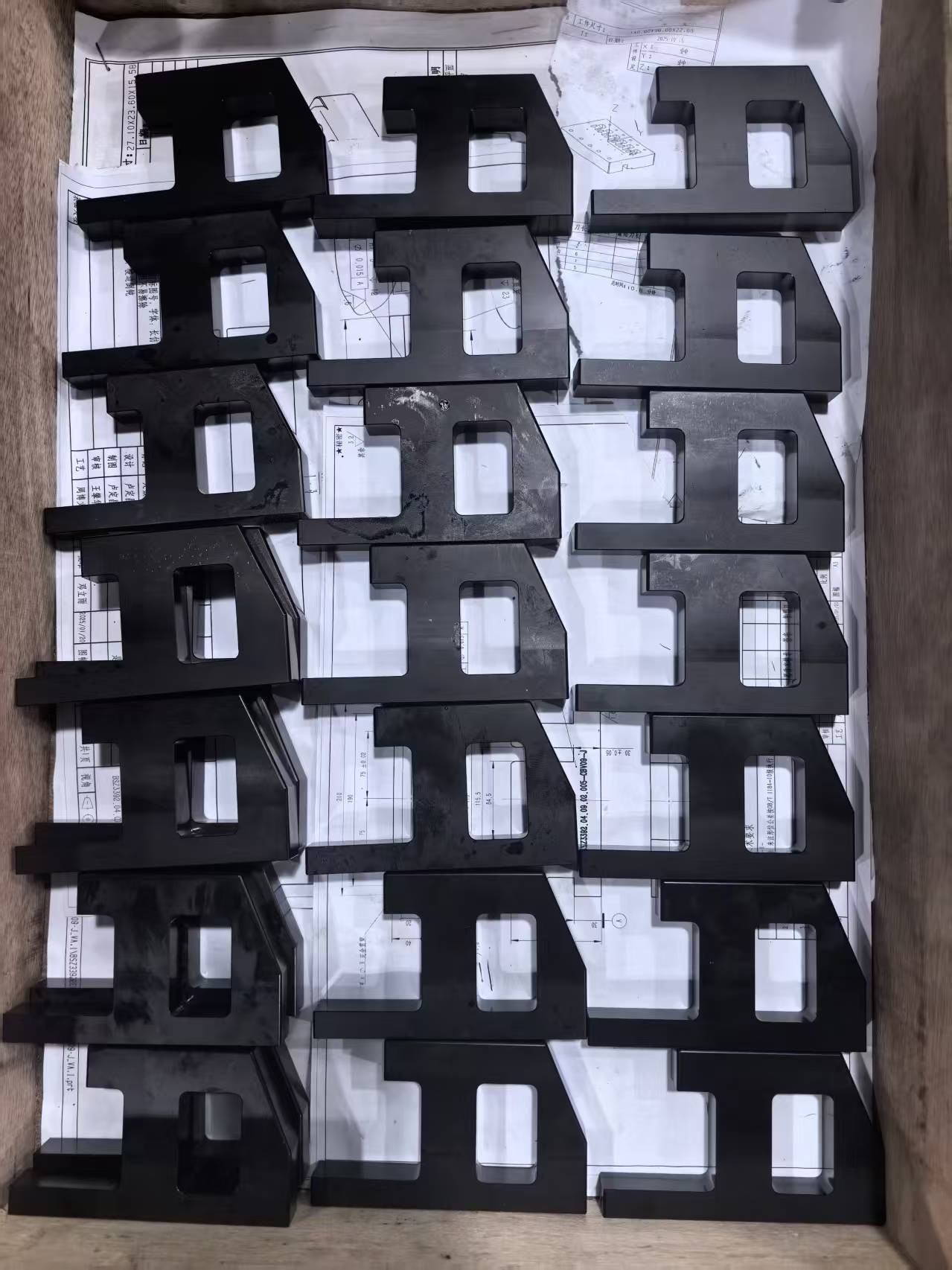
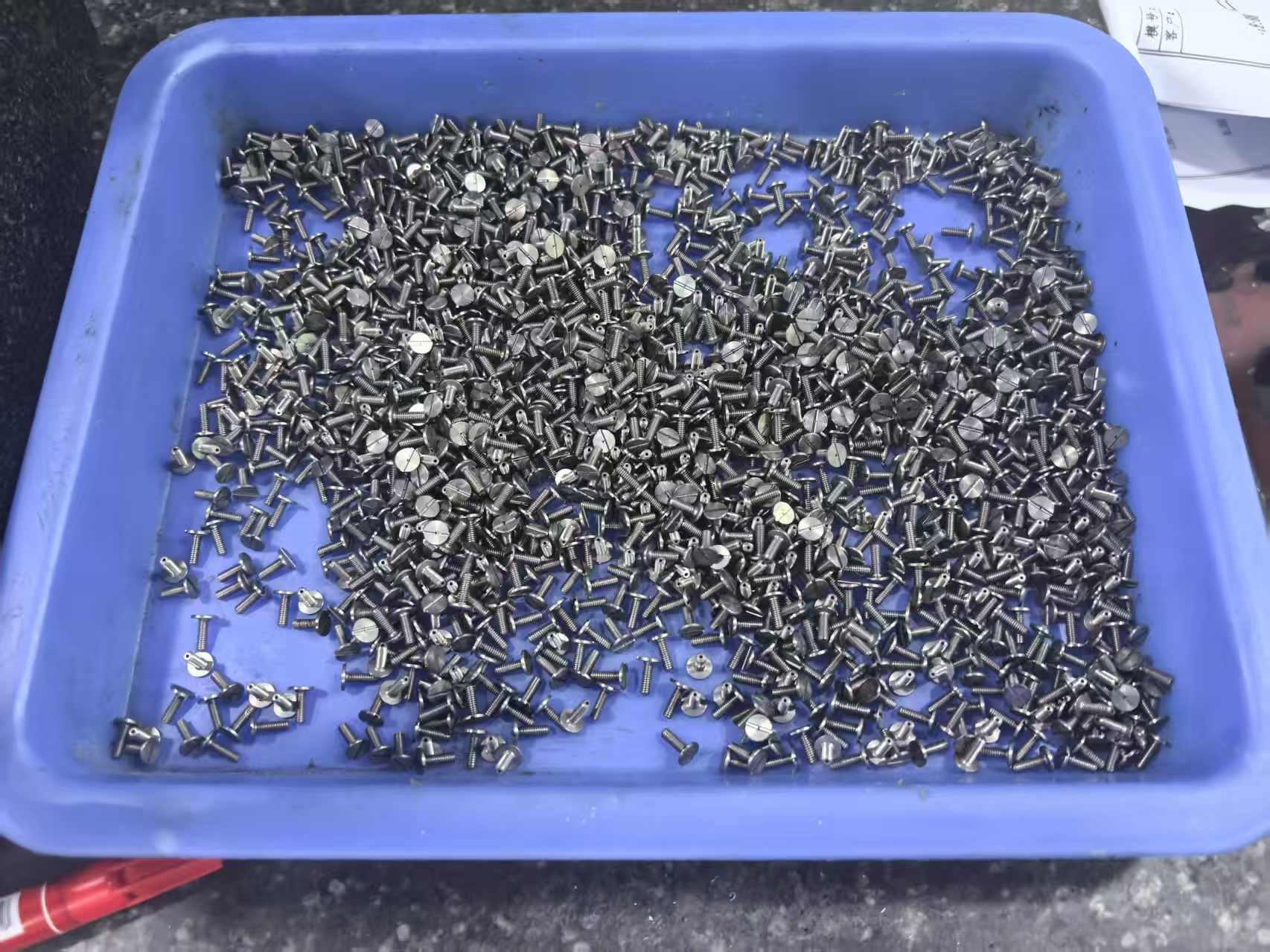
If the revision is unclear, the quote can be based on the wrong part and the whole order drifts later.
Only the features that control fit, motion or sealing should be tightly controlled.
The supplier needs to know whether a face is cosmetic, functional, sealed or load-bearing.
XHR checks geometry, tool access, thin-wall risk, burr risk and process sequence before quoting.
Critical dimensions, datums, threads, fits and cosmetic faces are reviewed separately from general geometry.
Prototype, bridge and repeat orders can be handled with the same drawing revision and process notes.
Send a 2D PDF drawing and a STEP or STP file when available. Add material, quantity, finish and inspection notes.
Yes. The part geometry decides whether milling, turning or a mixed process is the better route.
Yes. Packing, shipment method and destination can be reviewed after the quotation stage.
Send the drawing, quantity and finish requirements. XHR will review the part before quoting.