Typical machined parts
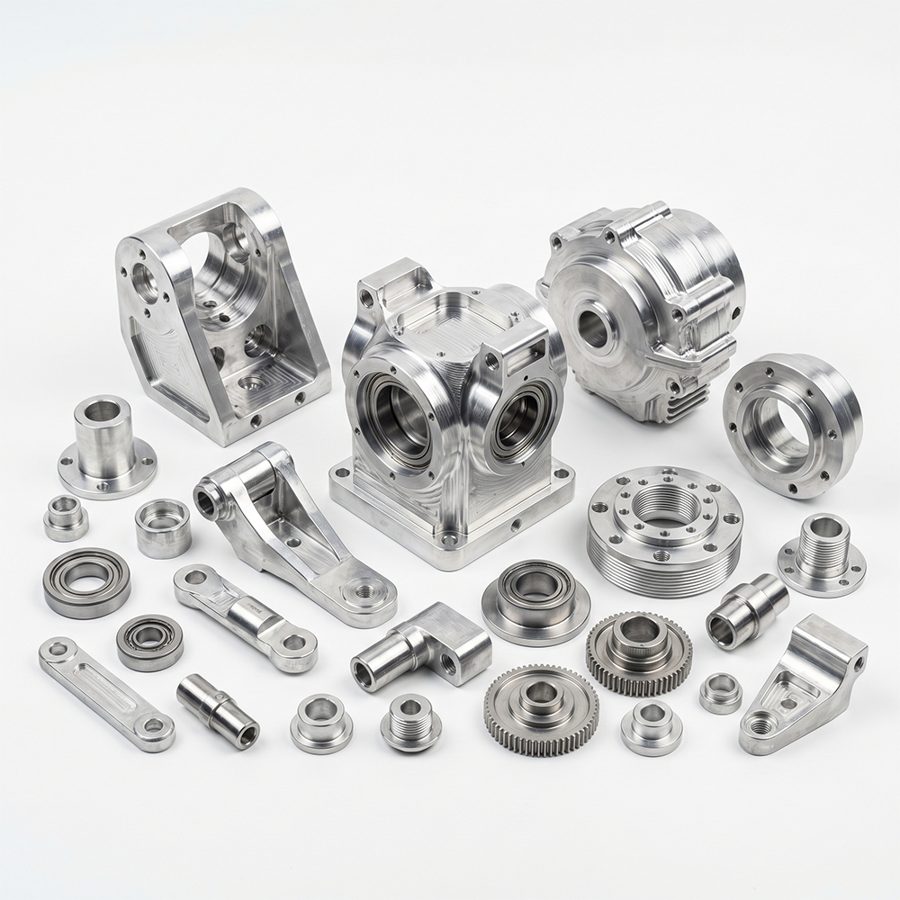
Test plates, locating blocks, compression fixtures, insulating supports, guide pins and assembly tooling.
XHR machines fixture components for EV battery testing and assembly where insulation, locating accuracy and repeatable clamping are important.
Application engineering answer
Fixture parts for cells or modules should clearly identify the contact and locating features that control repeat position without damaging the product. Drawings should separate these features from the supporting frame, define sensor or inspection interfaces, and state material, insulation, wear, surface protection and cleanliness requirements relevant to the application.
| Review area | What buyers should define |
|---|---|
| Application fit | Module nests, locating plates, clamp components, inspection fixtures, sensor mounts and assembly tooling. |
| Drawing focus | Mark cell or module contact areas, locating datums, clamp travel, sensor interfaces, clearance zones and matched-set features. |
| Material and finish | Confirm stiffness, weight, wear, electrical isolation or conductivity, surface protection and product-contact requirements. |
| Inspection and RFQ | State repeat-position features, critical hole locations, contact dimensions, drawing revision, quantity and validation needs. |
Technical review: XHR Precision Machining
CNC machining for EV battery fixture parts including test plates, locating blocks, compression fixtures, insulating supports and assembly tooling.
Test plates, locating blocks, compression fixtures, insulating supports, guide pins and assembly tooling.
Aluminum, stainless steel, engineering plastics and insulating materials can be selected by strength, weight and electrical requirements.
Locating holes, flatness, insulation surfaces, compression contact areas and assembly references should be defined.
Battery test fixtures need repeatable contact and positioning. Mark insulating areas and critical clamping surfaces clearly.
Yes. Send 2D drawings, 3D files, material, quantity, tolerance notes and surface finish requirements for review.
Yes. XHR supports prototype machining, low-volume orders and repeat batches after the design is validated.
Critical dimensions, inspection method, material grade, surface finish, quantity and target delivery date reduce assumptions.
EV battery fixture parts often involve repeat positioning, assembly accuracy, durable materials and stable contact surfaces. XHR can machine fixture plates, locating blocks, clamps, brackets, adapter plates, tooling components and custom CNC parts used in EV battery production and inspection fixtures.
Mark surfaces that contact cells, modules, sensors, inspection devices or positioning assemblies. These areas often need tighter control than non-functional faces.
Material grade, quantity, surface finish, tolerance notes, wear areas, contact areas and packing expectations all affect pricing and manufacturing review.
Inspection can focus on locating features, hole position, clamp fit, flatness, burr control and repeatability for batch or repeat production.