Material
304 or 316 stainless steel depending on corrosion resistance and buyer requirements.
This anonymous case-style page shows how XHR reviews stainless steel shaft parts for material grade, diameter tolerance, thread quality, runout and surface finish.
Case evidence summary
This anonymous case-style record shows that a turned shaft should be controlled around fitted diameters, shoulders, threads and runout, not treated as a simple round part. The published review coordinated stainless grade, turning sequence, burr control and inspection so the buyer could validate assembly fit before repeat batches.
| Evidence area | Published case evidence |
|---|---|
| Material and process | 304 or 316 stainless steel with CNC turning plus drilling, threading, secondary milling or polishing where required. |
| Critical risk | Tool wear, heat, burrs, fitted diameters, shoulder position, thread quality, runout and surface finish. |
| Control method | Confirm grade and thread standard, protect concentric relationships and inspect function-critical diameters and runout. |
| Published outcome | The record reports assembly-fit validation before repeat small batches and clearer drawing callouts for threads and runout. |
Evidence status: Anonymous case-style record; customer identity, drawings and sensitive dimensions are withheld.
Customer names, drawings and sensitive dimensions are protected for confidentiality. This page explains the type of project review XHR can provide for similar RFQs.
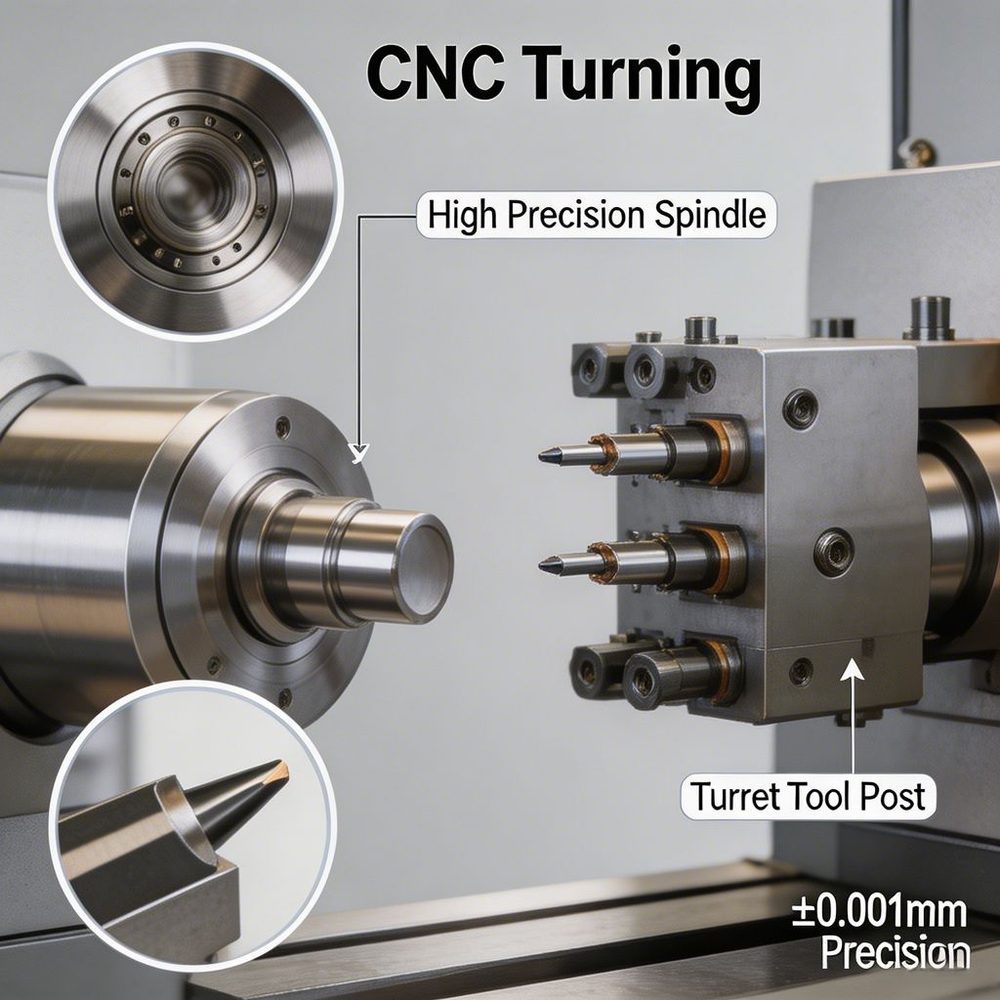
304 or 316 stainless steel depending on corrosion resistance and buyer requirements.
CNC turning with secondary milling, drilling, threading or polishing as needed.
Fitted diameters, shoulder position, thread length, runout and surface finish.
Prototype shaft samples followed by small repeat batches for equipment assemblies.
The shaft parts included fitted diameters and threaded areas used in an assembly. Stainless steel machining risk came from tool wear, heat, burrs and surface finish requirements around shoulders and threads.
The buyer could validate shaft fit in the assembly before repeating the order. The key RFQ lesson was to mark fitted diameters, thread standards and runout requirements clearly on the 2D drawing.
For shaft parts, the buyer's main risk is usually fit failure after delivery. A useful quote should separate general geometry from bearing fits, thread gauges, runout and surface finish requirements.
Confirm fitted diameters, tolerance class, runout references, thread standard, surface finish and whether passivation or material certification is required.
Ask for inspection-report scope, gauge requirements and packaging protection for precision surfaces before the order is released.
This case type is useful for overseas buyers because turned stainless steel shafts, pins, sleeves and fitted round components often look simple in drawings but can create assembly, inspection or delivery risk if the manufacturing details are not reviewed before quoting.
Before quotation, the buyer should separate functional dimensions from general dimensions, mark critical datums, confirm material grade, surface finish, quantity and delivery target, and explain how the part will be assembled or tested.
The main risk in this type of project is diameter tolerance, runout, thread quality, burr control and surface finish. XHR reviews these points before production so the quote is based on the real function of the part, not only on outer size and material.
For similar RFQs, inspection planning should be discussed early. Critical dimensions, fitted areas, threaded features, mating faces and cosmetic surfaces may need different checking methods and different reporting requirements.
Send a STEP or STP file together with a 2D PDF drawing. If you have previous supplier issues, sample photos, assembly notes or inspection requirements, include them in the RFQ so engineering review can focus on the actual risk.
Yes. Prototype quantity and expected repeat quantity can be quoted separately because setup, inspection and batch consistency requirements may be different.
Inspection reports can be provided on request. Please mark critical dimensions and reporting requirements in the drawing or RFQ message before production starts.
Yes. XHR can review material, tolerance, machining access, surface finish and inspection risk before confirming the final quotation.
Include 2D/3D drawings, material, quantity, finish, tolerance notes, application, inspection needs, delivery destination and any NDA or packaging requirements.
Send drawings, material, quantity, tolerance, finish and delivery requirements. XHR will review process risk and quotation details.