Turned part scope
Shafts, pins, sleeves, bushings, spacers, connectors and shoulders
Round parts need a supplier that understands diameter control, runout, concentricity and thread quality. This page helps buyers decide when CNC turning is the right route and how to prepare a stronger RFQ.
Use this page when you already have drawings or a part concept and need to decide whether XHR is a fit for the process, material and inspection requirements.
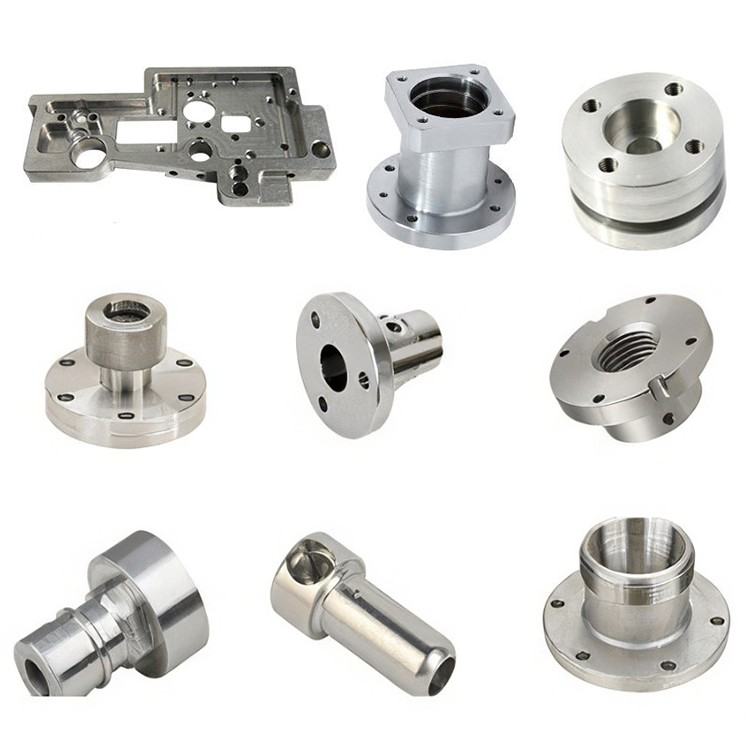
Round parts with cylindrical geometry, shoulders, grooves and threads are usually the best fit for CNC turning.
Diameter, runout, fit and thread quality matter more than pure visual appearance on these parts.
Some turned parts still need secondary milling, cross holes or flats after turning.
Setup, bar stock, tool wear, finish, concentricity and inspection control usually shape the price.

If the part fits a bearing or mating component, the tolerance target should be explicit.
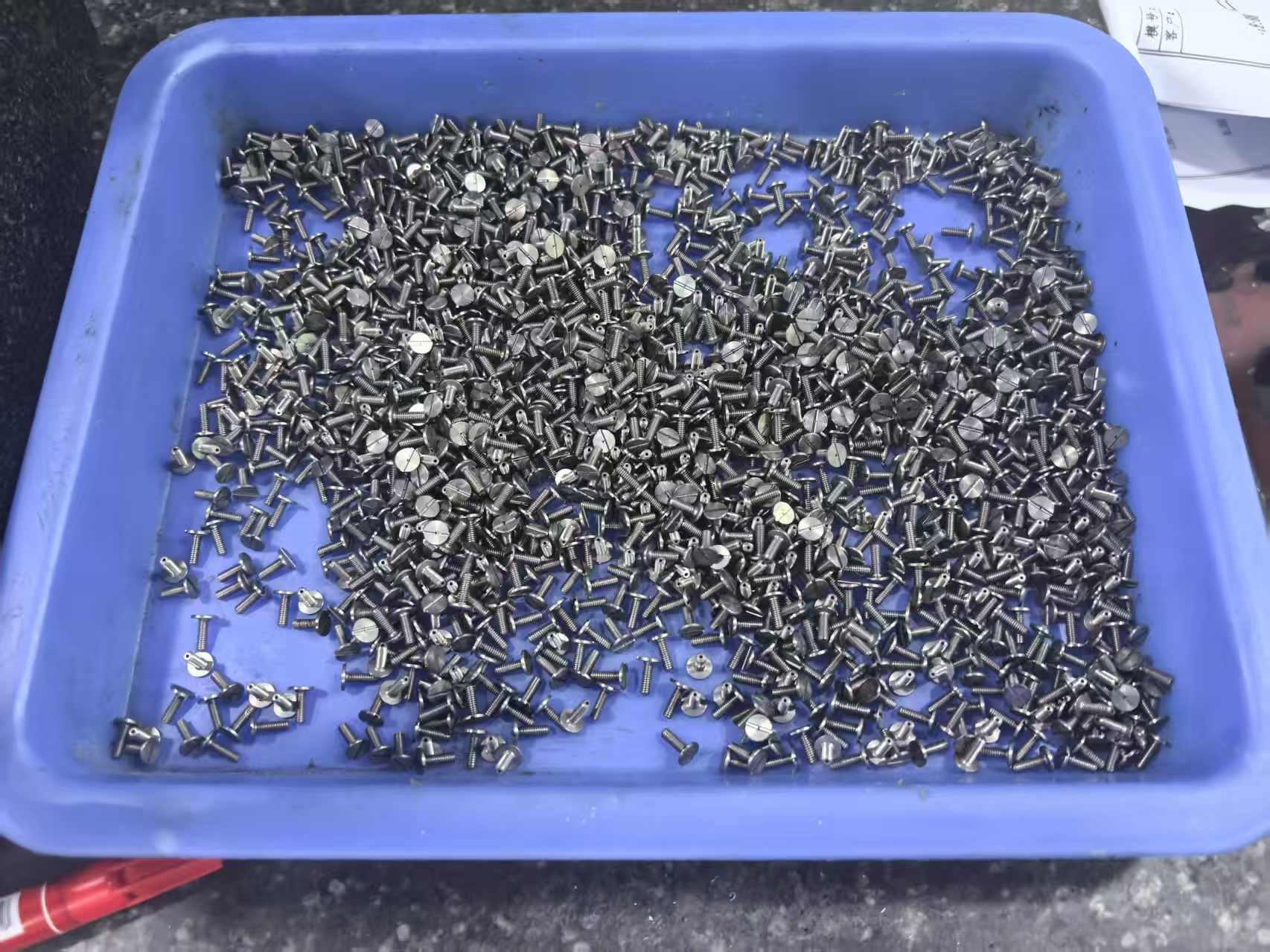
Metric, UNC, UNF or custom threads need usable depth and gauge expectations.
Cross holes, flats and keyways should be called out early if they matter.
XHR checks whether the geometry is best handled as turning only or a mixed turning-plus-milling part.
Diameter, runout and concentricity are reviewed against the drawing and application.
Stable drawing revision and thread notes help later batches match the approved part.
Shafts, pins, sleeves, bushings, spacers and threaded round components are common examples.
Yes. If the part needs flats or holes after turning, the process can be combined.
Yes, if the part is used in a fitted or rotating assembly.
Send the drawing, quantity and finish requirements. XHR will review the part before quoting.