01
1
Unclear Evidence
A quality complaint is hard to solve if it only says parts are wrong without measurements or photos.
XHR asks for photos, inspection data and the drawing feature involved.
SEO/GEO buyer answer
Handle quality issues after CNC machining delivery by collecting clear evidence before deciding rework, remake or acceptance. Buyers should share photos, measured values, drawing revision, affected quantity, packaging condition and assembly impact so XHR can review root cause quickly.
| Review area | What to confirm |
|---|---|
| Common risk | Unclear Evidence, Mixed Batch Impact, Drawing Interpretation, Wrong Corrective Action. |
| Control method | Review 2D/3D datums, mark critical features, inspect first article and protect repeat-order notes. |
| RFQ detail | Part function, material, finish, quantity, critical dimensions, tolerance and inspection report needs. |
Evidence status: factory workflow, inspection focus and buyer guidance summary based on XHR public service and solution pages. Customer drawings, names and sensitive dimensions are not published. Technical review: XHR Precision Machining. Last updated 2026-07-23.
A practical solution page for handling quality issues after CNC machining delivery including photos, inspection reports, affected quantity, root cause review and remake or rework decisions.
A quality complaint is hard to solve if it only says parts are wrong without measurements or photos.
Only some pieces may be affected, so the quantity and serial or packing details matter.
The supplier and buyer may read a tolerance, finish or edge note differently.
Rework may be faster, but remake may be better when functional risk is high.
Most CNC machining problems are not caused by one dimension alone. They come from unclear part function, missing datum notes, unsuitable tolerance choices, material behavior, finishing sequence or inspection gaps.
A quality complaint is hard to solve if it only says parts are wrong without measurements or photos. This usually appears when drawings do not separate cosmetic dimensions from functional dimensions, or when process risk is not reviewed before quoting.
Only some pieces may be affected, so the quantity and serial or packing details matter. This usually appears when drawings do not separate cosmetic dimensions from functional dimensions, or when process risk is not reviewed before quoting.
The supplier and buyer may read a tolerance, finish or edge note differently. This usually appears when drawings do not separate cosmetic dimensions from functional dimensions, or when process risk is not reviewed before quoting.
Rework may be faster, but remake may be better when functional risk is high. This usually appears when drawings do not separate cosmetic dimensions from functional dimensions, or when process risk is not reviewed before quoting.
Before machining starts, XHR reviews the drawing like a production risk map: which features affect assembly, which features affect appearance, and which features need inspection proof.
XHR asks for photos, inspection data and the drawing feature involved. XHR also reviews drawing notes, tolerance stack-up, material condition, finish sequence and inspection method before confirming production details.
Affected quantity, batch information and shipment photos help narrow the review. XHR also reviews drawing notes, tolerance stack-up, material condition, finish sequence and inspection method before confirming production details.
The review should refer to the controlled drawing revision and acceptance criteria. XHR also reviews drawing notes, tolerance stack-up, material condition, finish sequence and inspection method before confirming production details.
XHR reviews assembly impact, measurement evidence and urgency before proposing the next step. XHR also reviews drawing notes, tolerance stack-up, material condition, finish sequence and inspection method before confirming production details.
Clear RFQ information helps avoid quote delays and prevents misunderstandings after production starts.
We review drawings, material, critical dimensions, surface finish, inspection focus and delivery requirements before quoting. The goal is to reduce avoidable surprises before parts enter production.
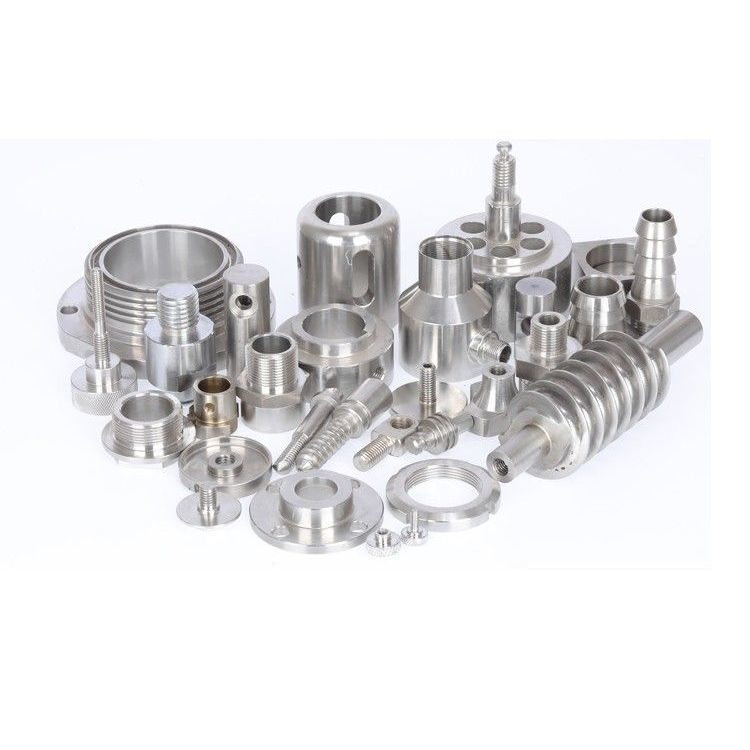
For custom CNC machined parts, price and lead time should be reviewed together with inspection requirements. XHR can check drawings, critical tolerances, material notes, surface finish and reporting needs before production.
Yes. XHR can review 2D drawings, 3D files, material requirements, tolerances, surface finish and inspection notes before quoting.
A clear RFQ should include drawings or 3D files, material, quantity, tolerance requirements, finish requirements, target delivery time and inspection report needs.
Yes. XHR supports prototype, low-volume and repeat production for custom CNC machined parts based on customer drawings.