Common alloys
6061, 7075, 2024, 5052, and drawing-specified materials
We machine aluminum 6061, 7075, and other alloys for lightweight, high-strength custom components used in automation, robotics, medical equipment, electronics, and industrial machines.
Quick technical answer
6061 is a common starting choice for general machined parts because it balances machinability, strength, availability and anodizing response. 7075 is considered when higher strength is required, but alloy choice must also account for corrosion, finish, cost and the drawing requirements.
| Requirement | Practical guidance |
|---|---|
| Best fit | 6061 for general brackets, housings and fixtures; 7075 for higher-strength parts after engineering and finish review. |
| Tolerance focus | Identify thin walls, large flat areas, deep pockets and final dimensions that may change after anodizing. |
| Inspection | Check critical dimensions after stress-releasing operations or finishing when deformation or coating buildup matters. |
| RFQ input | Alloy and temper, drawing revision, quantity, cosmetic faces, anodizing or coating requirements and final dimensions. |
Technical review: XHR Precision Machining
For a practical quotation, send your drawing, material, quantity, tolerance requirements, and surface finish. Our team will review manufacturability before quoting.
6061, 7075, 2024, 5052, and drawing-specified materials
Good strength-to-weight ratio for machine and robot components
Anodizing, sandblasting, polishing, brushing, and plating support
Samples, pilot runs, and repeat production
Frames, plates, brackets, supports, adapters, and custom machine structures.
Electronic housings, covers, sensor mounts, and CNC machined enclosures.
Parts that need deburring, polishing, bead blasting, anodizing, or color finish.
Pockets, thin walls, threaded holes, tight locating features, and multi-face parts.
A practical choice for general structural parts and many machined components.
Used when higher strength is required for demanding lightweight parts.
Clear, black, and color anodizing can be arranged for functional or appearance needs.
Dimensional checks for critical features before packing and shipment.
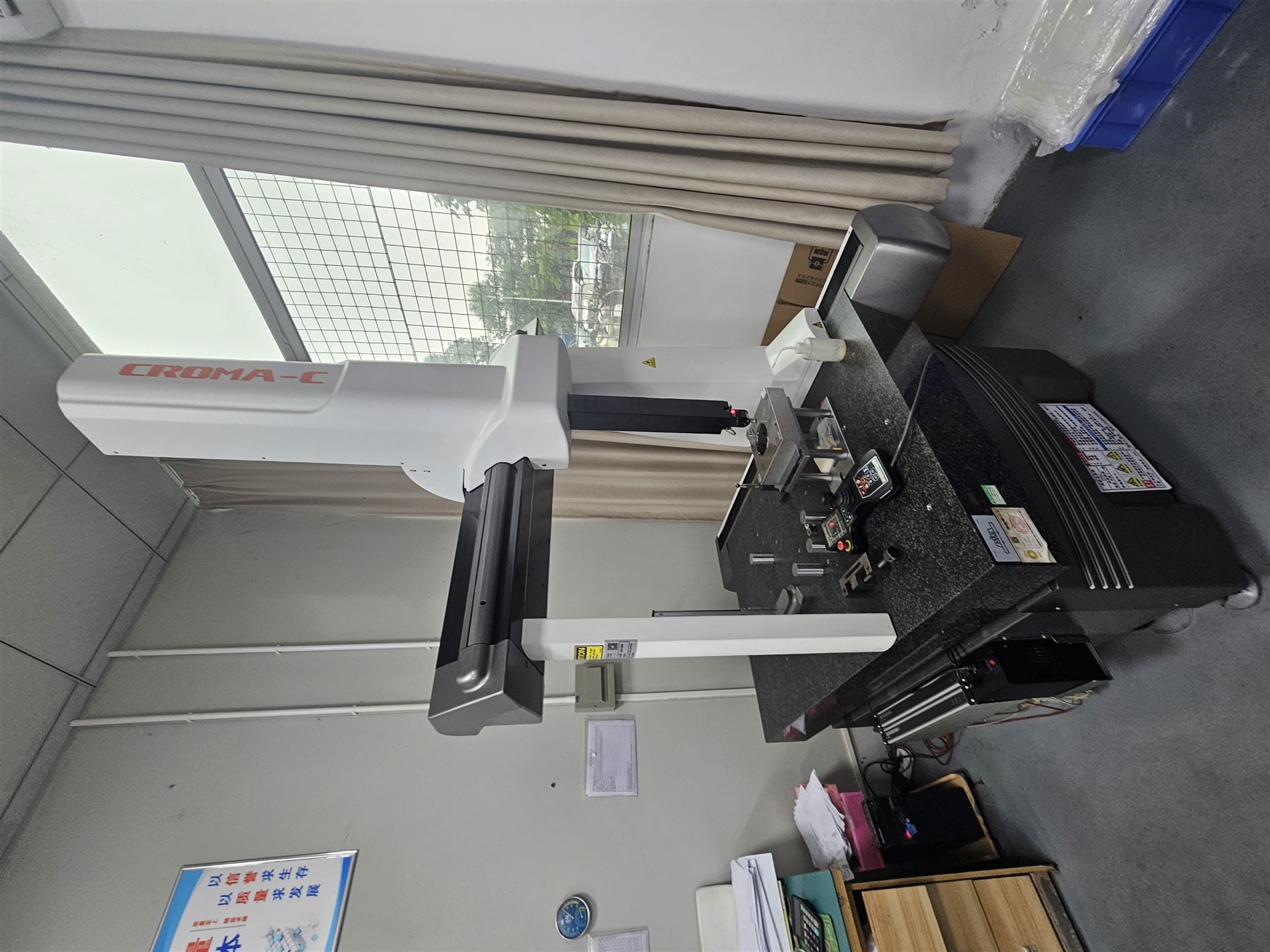
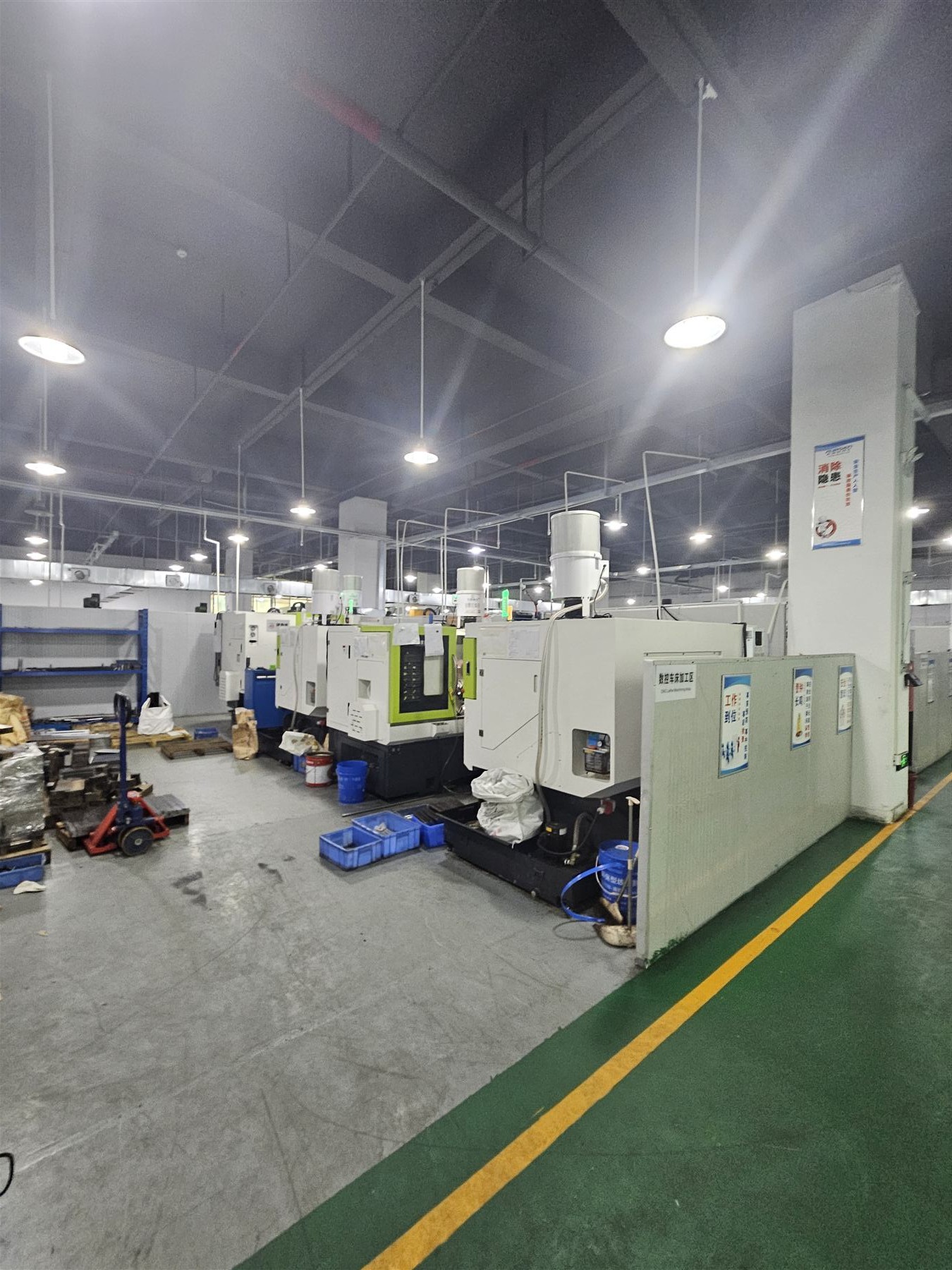
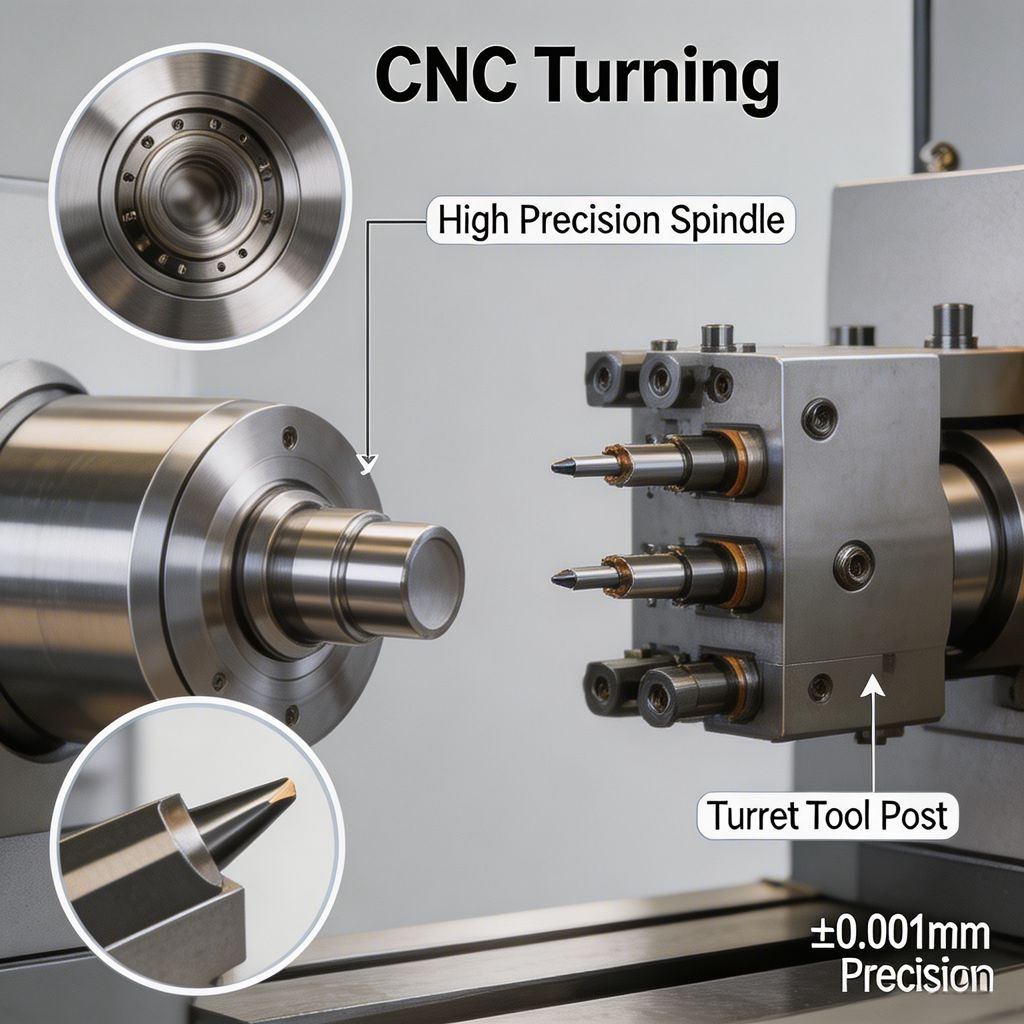
Selected workshop and part images from XHR's website media library. We will continue adding more project photos as the site grows.
Aluminum parts are common in automation equipment, fixtures, robotics, electronics, and lightweight structures. The right alloy, finish, and tolerance plan can reduce cost while keeping the part stable in assembly.
6061 is widely used for general structural parts and fixtures. 7075 is selected when higher strength is needed. 6063 may be used for profiles and appearance-focused parts. Final selection should match function, finish, and cost target.
Aluminum usually machines efficiently, but thin walls, deep pockets, large flat plates, and cosmetic surfaces still need careful clamping and toolpath planning to reduce deformation and visible marks.
Clear anodizing, black anodizing, color anodizing, polishing, bead blasting, and conversion coating can be arranged depending on appearance, corrosion resistance, and assembly requirements.
For aluminum fixtures and automation parts, buyers should mark hole positions, flatness, thread depth, mating faces, and any post-anodizing dimensions that remain critical.
Send these details through the RFQ page so XHR can review machining feasibility, quote more accurately, and reduce production risk before cutting material.
Explore related service pages to understand our material, process, and application coverage.
Use this section to match drawings, tolerance requirements and delivery targets before sending an RFQ.
6061, 7075 and similar aluminum parts including brackets, housings, plates, fixtures and lightweight components.
Share 2D drawings, 3D files, material grade, quantity, tolerance notes, surface finish and inspection requirements.
Focus on flatness, hole position, anodizing allowance, thread strength and cosmetic surface protection.
Setup time, programming complexity, material availability, fixture needs, surface treatment and inspection depth usually drive price and delivery.
6061 is common for general structural parts. 7075 is better when higher strength is required. Final selection depends on function, finish, and cost target.
Yes. We can arrange anodizing and other finishing processes depending on your functional and appearance requirements.
Yes, but thin-wall parts need careful review of tolerance, deformation risk, and fixture strategy before quoting.
Aluminum is often chosen for lightweight precision parts, prototypes, enclosures, fixtures, plates, and robotics hardware.
6061 for general precision parts, 7075 for higher strength, and 6063 for selected profiles or appearance needs.
Enclosures, brackets, plates, housings, panels, fixture blocks, heat sink bodies, and robot mounts.
Anodizing, bead blasting, brushing, polishing, chromate conversion, or other finish options after review.
Wall thickness, deep pockets, threaded holes, sharp internal corners, and cosmetic faces.
Clear drawings and inspection notes help XHR quote accurately, plan machining steps, and protect critical features before shipment.
Send drawings and requirements to XHR. We will review the machining process, material, tolerance, finishing, delivery, and packing needs.
Aluminum Cluster
Aluminum projects often need alloy selection, appearance control, anodizing requirements and tight tolerance review before quotation.