Fewer setups
Less repositioning for better consistency on multi-face parts
Our 5 axis CNC machining service helps reduce repeated clamping, improve feature alignment, and machine complex geometries for automation equipment, robotics, medical devices, and advanced industrial components.
Quick technical answer
5-axis machining is most useful when angled or multi-face features benefit from fewer setups; it is not automatically the best route for simple parts. XHR reviews geometry, workholding, tool reach, datum strategy and inspection before selecting the process.
| Requirement | Practical guidance |
|---|---|
| Best fit | Complex brackets, angled holes, multi-face features and parts where setup-to-setup alignment is critical. |
| Tolerance focus | Prioritize position, profile and alignment between faces; final capability remains drawing- and geometry-dependent. |
| Inspection | Plan checks around datums, angled holes, profiles and hard-to-reach features before machining starts. |
| RFQ input | Native 3D model, dimensioned 2D drawing, material, quantities, critical datums, tolerances, finish and inspection notes. |
Technical review: XHR Precision Machining
For a practical quotation, send your drawing, material, quantity, tolerance requirements, and surface finish. Our team will review manufacturability before quoting.
Less repositioning for better consistency on multi-face parts
Angled surfaces, deep pockets, contours, and difficult access features
Aluminum, stainless steel, titanium, brass, and engineering plastics
Prototype samples followed by repeatable batch production
Machine several faces in fewer operations to reduce tolerance stack-up.
Better tool access for sloped faces, undercuts, and compound angles.
More stable tool positioning can improve finish on complex surfaces.
Useful when hole positions, reference faces, and tight features must stay consistent.
Complex brackets, positioning blocks, custom housings, and fixture bodies.
Lightweight arms, adapters, link parts, and multi-angle metal components.
Precision device parts and inspection tooling with demanding geometry.
High-value prototypes and production parts that need stable multi-face machining.
Selected workshop and part images from XHR's website media library. We will continue adding more project photos as the site grows.
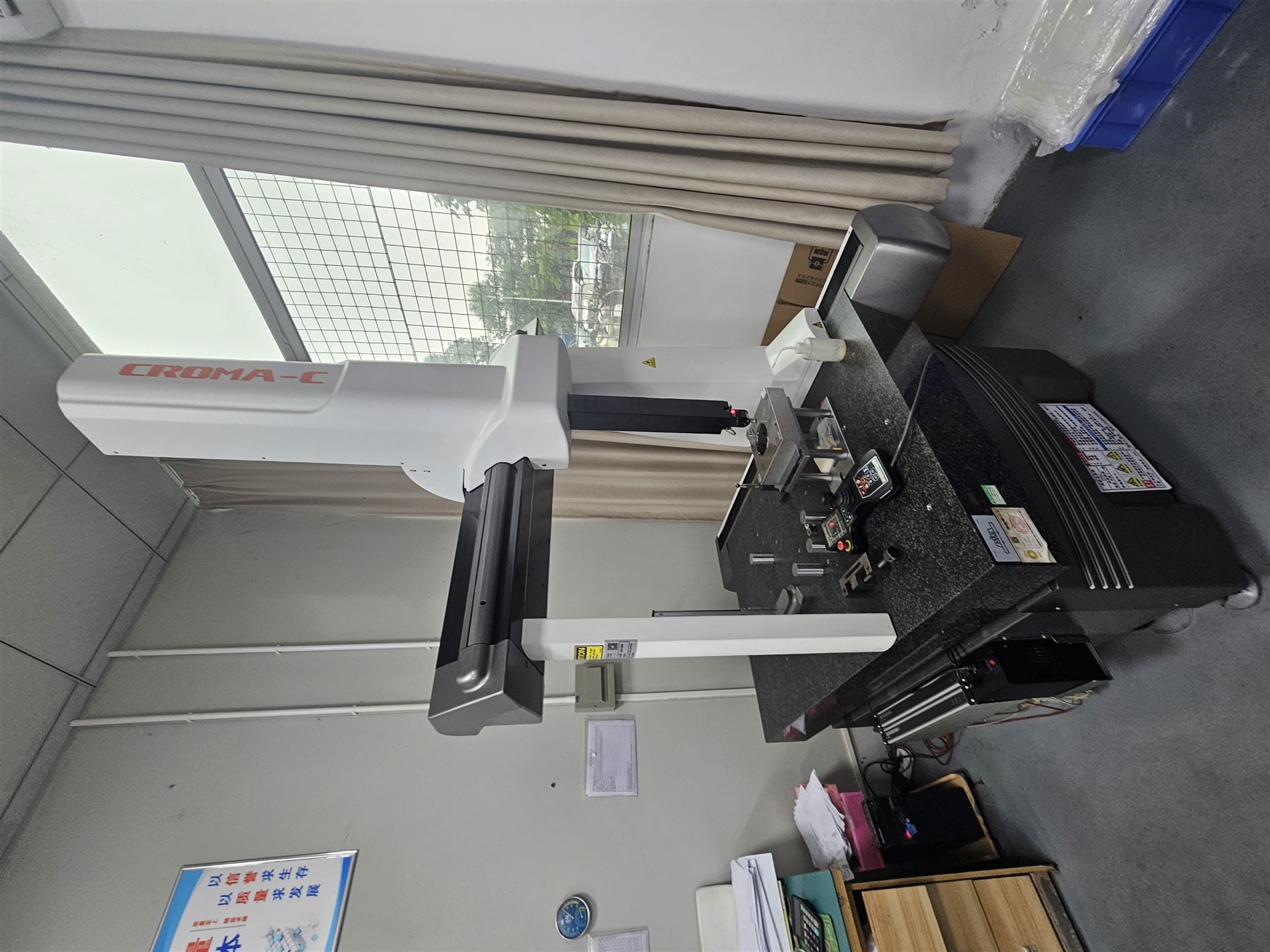
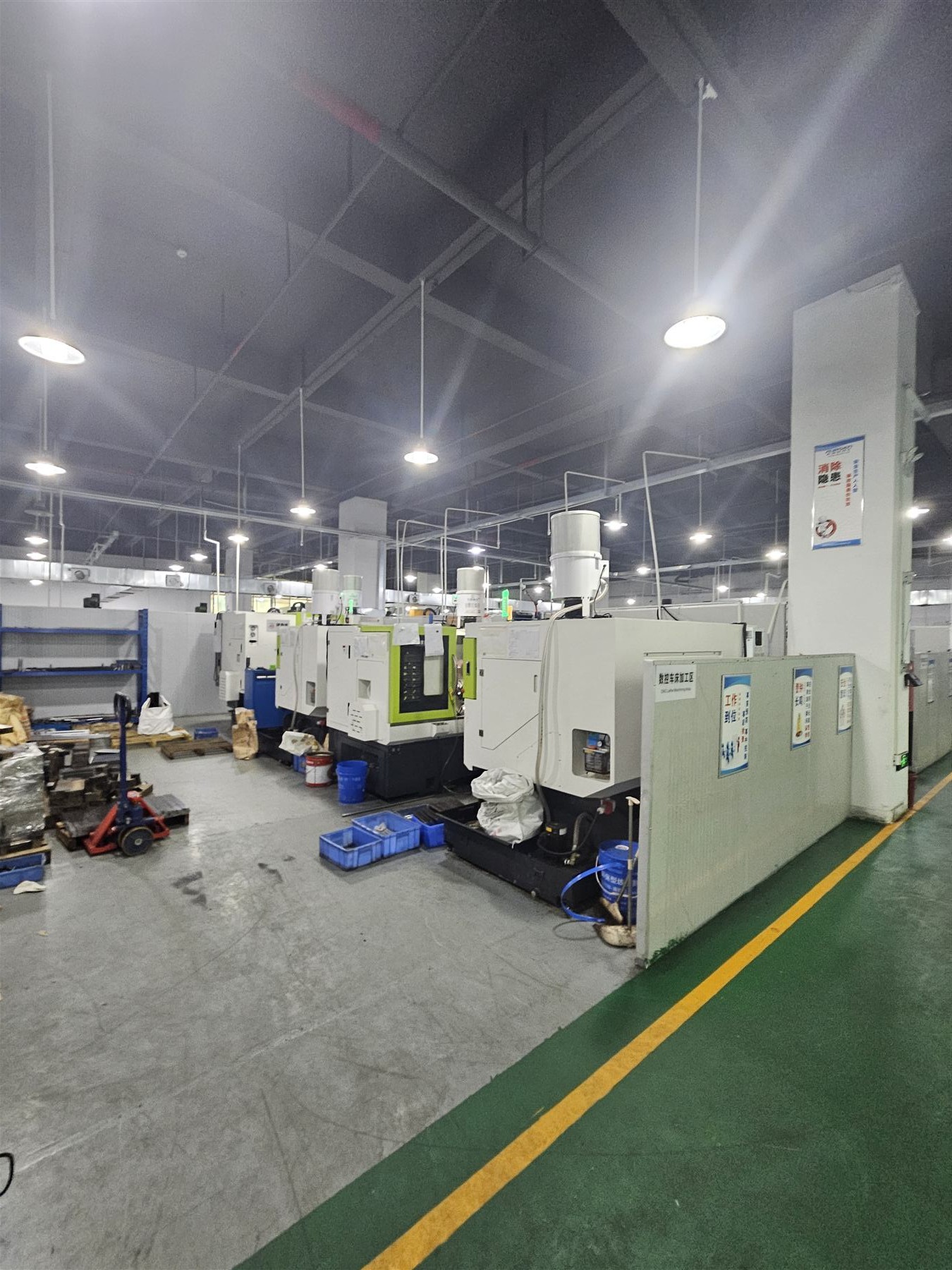
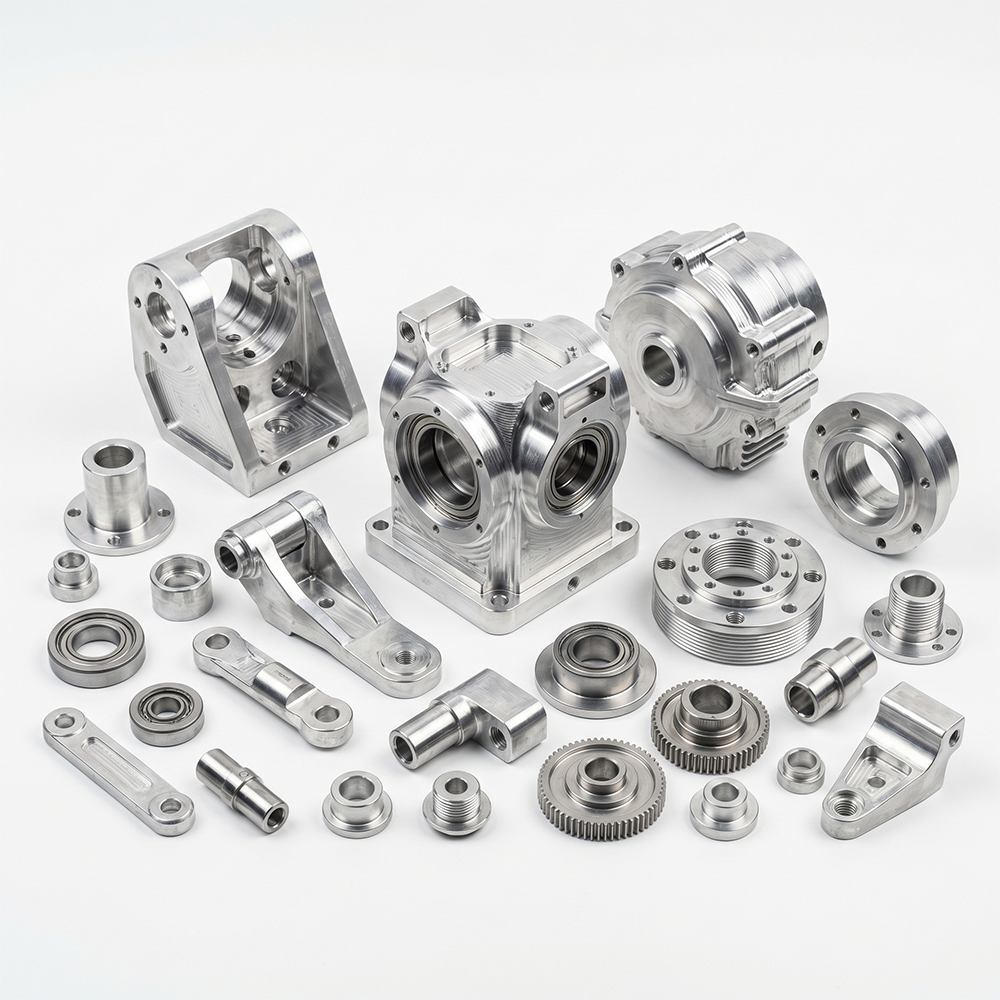
5-axis machining is most valuable when a part has angled features, complex surfaces, or multiple sides that must stay aligned after machining.
Choose 5-axis machining for multi-face parts, impellers, angled holes, curved surfaces, high-precision fixtures, and components where repeated setups would increase alignment risk.
Very tight tolerance on complex geometry needs process review. XHR checks clamping, tool access, material movement, inspection method, and whether grinding or secondary finishing is needed.
Aluminum, stainless steel, titanium, and tool steel each behave differently during 5-axis machining. Material hardness, heat, chip control, and deformation risk should be considered before quoting.
For complex parts, buyers should mark datum features, mating faces, hole positions, and critical surfaces. This helps define whether CMM inspection, gauges, or functional checks are needed.
Send these details through the RFQ page so XHR can review your part, confirm practical tolerances, and prepare a clearer quotation.
Explore related service pages to understand our material, process, and application coverage.
Use this section to match drawings, tolerance requirements and delivery targets before sending an RFQ.
Complex brackets, angled features, multi-face parts, impellers, housings and components that need fewer setups.
Share 2D drawings, 3D files, material grade, quantity, tolerance notes, surface finish and inspection requirements.
Focus on datum strategy, angled hole position, multi-face alignment, tool access and final CMM or fixture inspection.
Setup time, programming complexity, material availability, fixture needs, surface treatment and inspection depth usually drive price and delivery.
Choose 5 axis machining when your part has multiple angled features, complex surfaces, or tight alignment requirements that benefit from fewer setups.
No. It is also valuable for automation, robotics, medical devices, tooling, and custom industrial parts with complex geometry.
Yes. Send the drawing and target quantity. We can recommend the practical machining process based on cost, tolerance, and delivery needs.
5-axis machining is most valuable when geometry, setup reduction, and multi-face accuracy matter more than simple unit price.
Impellers, curved surfaces, angled holes, undercuts, multi-face brackets, and compact housings.
Fewer setups can reduce datum transfer error and help protect critical geometry.
Hole position, angular faces, mating surfaces, surface finish, and datum relationships.
Send the 3D file and clearly mark which dimensions control assembly or function.
Clear drawings and inspection notes help XHR quote accurately, plan machining steps, and protect critical features before shipment.
These guides help buyers prepare clearer drawings, cost expectations, tolerance notes and finish requirements before sending a quotation request.
Send drawings and requirements to XHR. We will review the machining process, material, tolerance, finishing, delivery, and packing needs.