Part types
Plates, brackets, housings, fixtures, covers, frames, and complex blocks
XHR provides CNC milling services for overseas buyers who need precision plates, brackets, housings, fixtures, covers, frames, and non-standard machined parts from drawings.
Quick technical answer
CNC milling is normally the better starting process for prismatic parts with faces, pockets, slots, holes and contours. Rotationally symmetric parts are usually better suited to CNC turning, while complex angled or multi-face geometry may justify 5-axis machining.
| Requirement | Practical guidance |
|---|---|
| Best fit | Plates, brackets, housings, fixture components and other parts dominated by flat, pocketed or contoured features. |
| Tolerance focus | Define primary datums, hole positions, flatness, perpendicularity and the relationships between machined faces. |
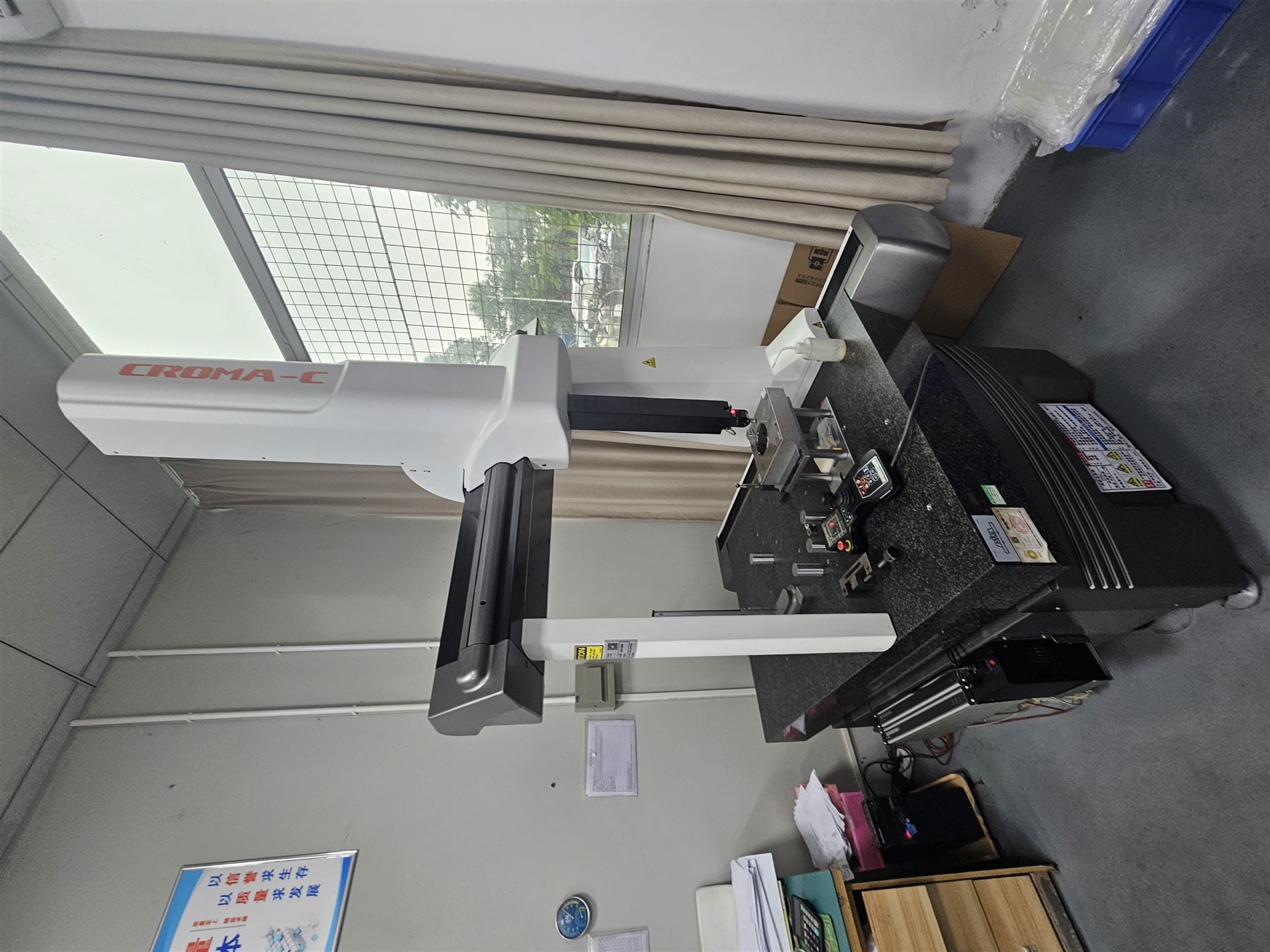
| Inspection | Plan access for measuring deep pockets, internal corners, hole patterns and datum-related features. |
| RFQ input | 2D and 3D files, material, quantities, critical face and hole requirements, finish and inspection notes. |
Technical review: XHR Precision Machining
Quick comparison answer
Use CNC turning when the main geometry is rotational around a centerline, such as shafts, sleeves, bushings and threaded connectors. Use CNC milling when faces, pockets, slots, hole patterns and non-rotational contours dominate. Parts combining both feature families may need mill-turn equipment or sequenced turning and milling.
| Comparison factor | Practical decision guidance |
|---|---|
| Option 1 | Turning efficiently controls diameters, shoulders, bores, grooves, tapers, concentricity and threads on round parts. |
| Option 2 | Milling efficiently creates plates, brackets, housings, pockets, flat datums, hole patterns and contoured features. |
| Main tradeoff | Choosing the wrong primary process adds setups and secondary work; hybrid parts require careful datum transfer between turning and milling. |
| Selection rule | Choose the process that creates the largest share of function-critical geometry in the fewest stable setups. |
Technical review: XHR Precision Machining
Send drawings, material, quantity, tolerances, surface finish, and delivery requirements. XHR will review manufacturability before quotation.
Plates, brackets, housings, fixtures, covers, frames, and complex blocks
Aluminum, stainless steel, carbon steel, brass, copper, engineering plastics, and titanium after review
Critical dimensions can be reviewed for +/-0.005 mm to +/-0.01 mm requirements
Prototype milling, low-volume batches, and repeat production from drawings
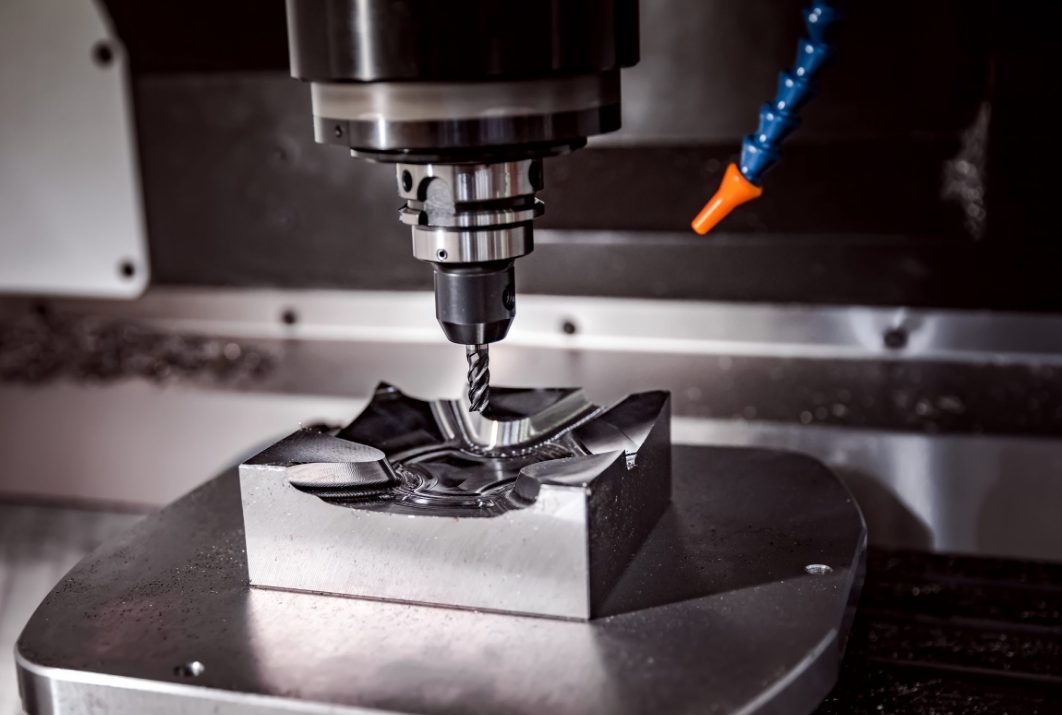
CNC milling is suitable when a part needs flat surfaces, pockets, slots, holes, counterbores, precise datums, or multi-face geometry. It is often used for automation equipment parts, inspection fixtures, robotics hardware, and machine components.
Before quoting, XHR checks material, feature access, wall thickness, tolerance stack-up, surface treatment, and inspection requirements. This helps reduce risk before tooling, fixture planning, and production.
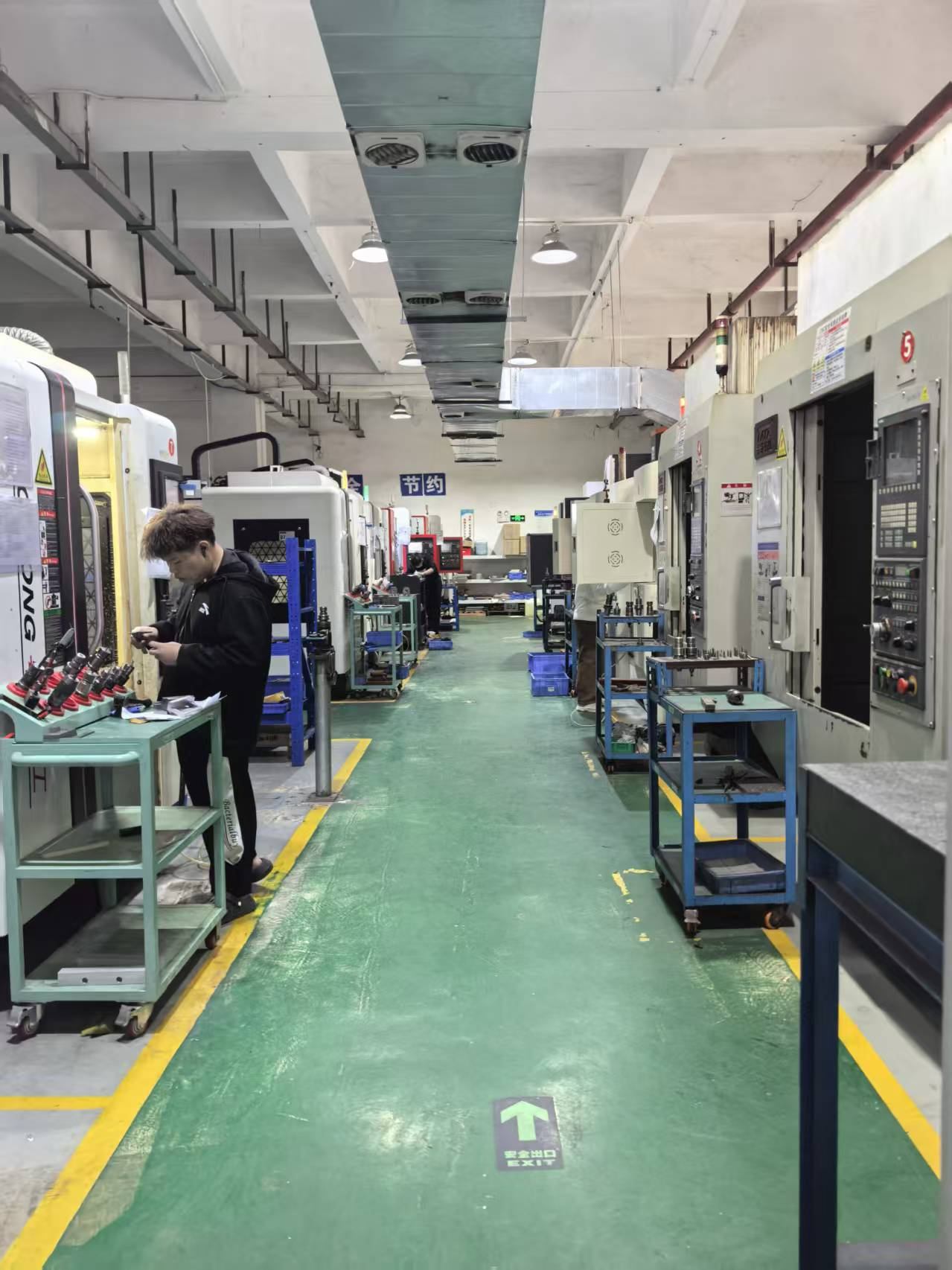
Selected workshop and part images from XHR's website media library. More project photos can be added as case studies grow.
Yes. We support prototype and low-volume CNC milling, then help customers move into repeat production when the part is approved.
A STEP or STP 3D file plus a 2D drawing with tolerances, threads, material, and finish notes is the best starting point.
Yes. Critical datums, hole positions, flatness, and fitted surfaces can be inspected according to drawing requirements.
Send drawings and requirements to XHR. We will review process, material, tolerance, finishing, delivery, and packing needs.