Evidence to share
Use the controlled drawing revision, 3D model, material specification and the notes that define critical fit, function or appearance.
Material choice affects machining cost, strength, corrosion resistance, surface finish, weight, tolerance stability, and delivery time. XHR can review material requirements during RFQ.
Buyer decision guide
A useful request for CNC Machining Materials starts with the part function and the interfaces that control fit, motion, alignment, sealing, wear or appearance. Buyers should provide the current drawing and model, then define function, environment, load, corrosion, weight, finish, tolerance, availability and cost tradeoffs. This lets the machining route, inspection focus and quotation assumptions be reviewed before production.
| Review area | What to provide or confirm |
|---|---|
| Part function | Explain where the part is used and which features control buyers selecting metals or engineering plastics for custom machined parts. |
| Drawing definition | Provide the current revision, material, quantity, tolerance, finish and the features that require special attention. |
| Manufacturing review | Review machining access, workholding, deformation or burr risk, finishing sequence and realistic process capability. |
| Inspection and RFQ | State the dimensions, fit or appearance criteria to verify, then send the drawing and requirements for a practical quote. |
Use the controlled drawing revision, 3D model, material specification and the notes that define critical fit, function or appearance.
XHR reviews manufacturability, practical process choices, critical inspection points and the assumptions that affect price or lead time.
Send the drawing, quantity, finish and delivery target through the RFQ page for a part-specific review.
Technical review: XHR Precision Machining
Send drawings, material, quantity, tolerances, surface finish, and delivery requirements. XHR will review manufacturability before quotation.
6061 and 7075 are common for lightweight fixtures, housings, plates, and brackets
304 and 316 are common for corrosion-resistant precision parts
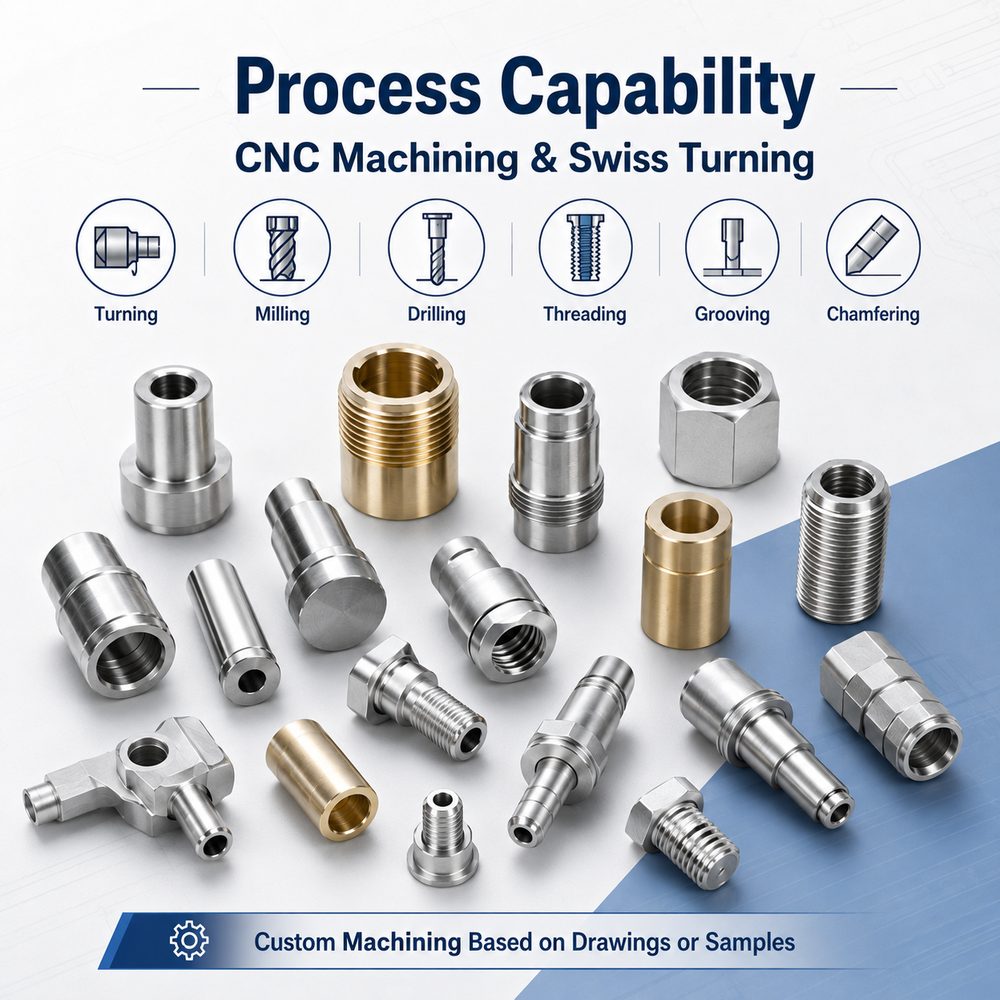
Useful for shafts, bushings, connectors, tooling, and durable mechanical parts
Engineering plastics and titanium can be reviewed based on function and geometry
Tell XHR whether the part needs strength, wear resistance, low weight, corrosion resistance, electrical conductivity, heat resistance, or cosmetic appearance.
If the exact material is hard to source or unnecessary for the application, XHR can discuss practical substitute options for customer approval.
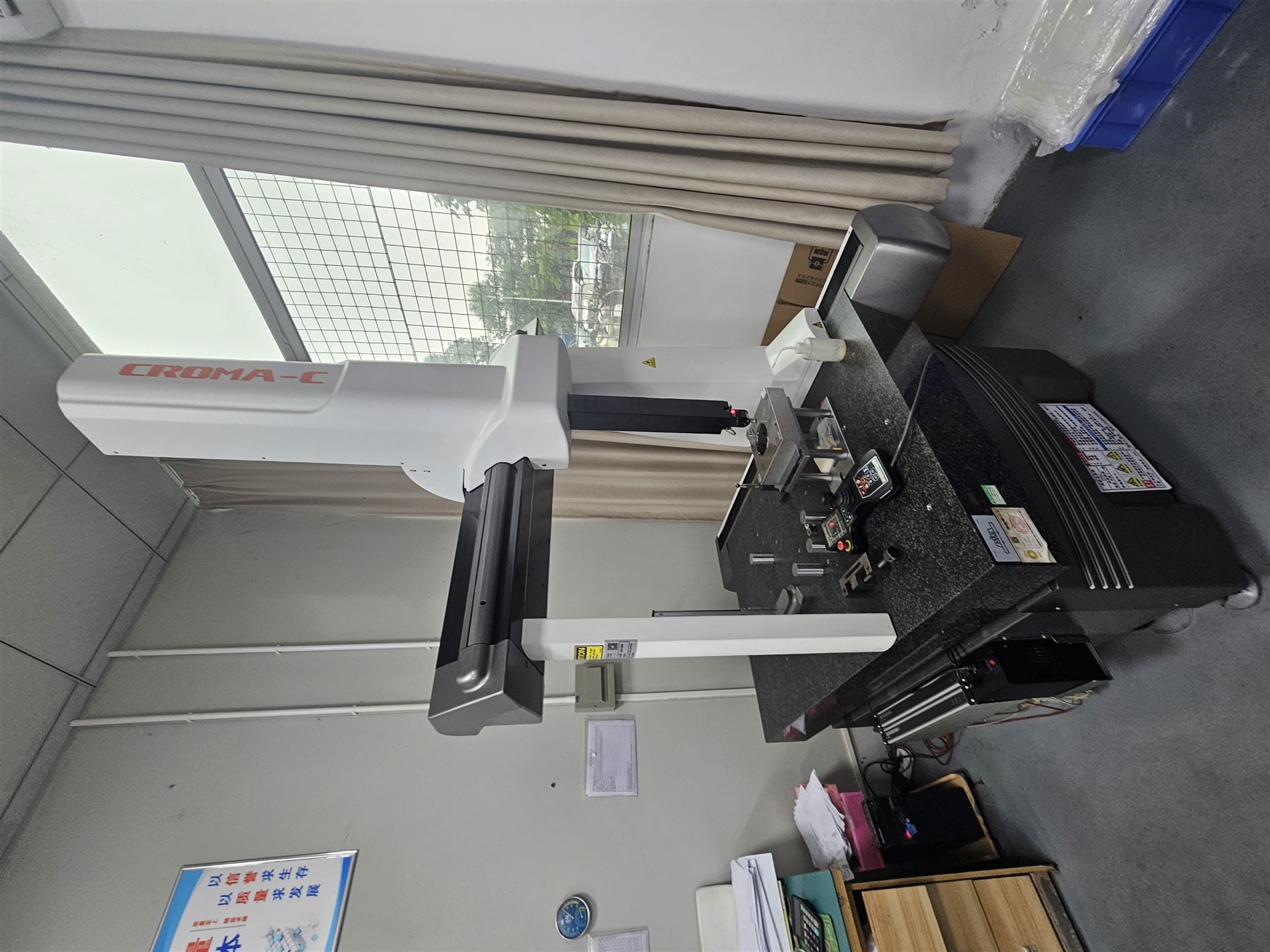
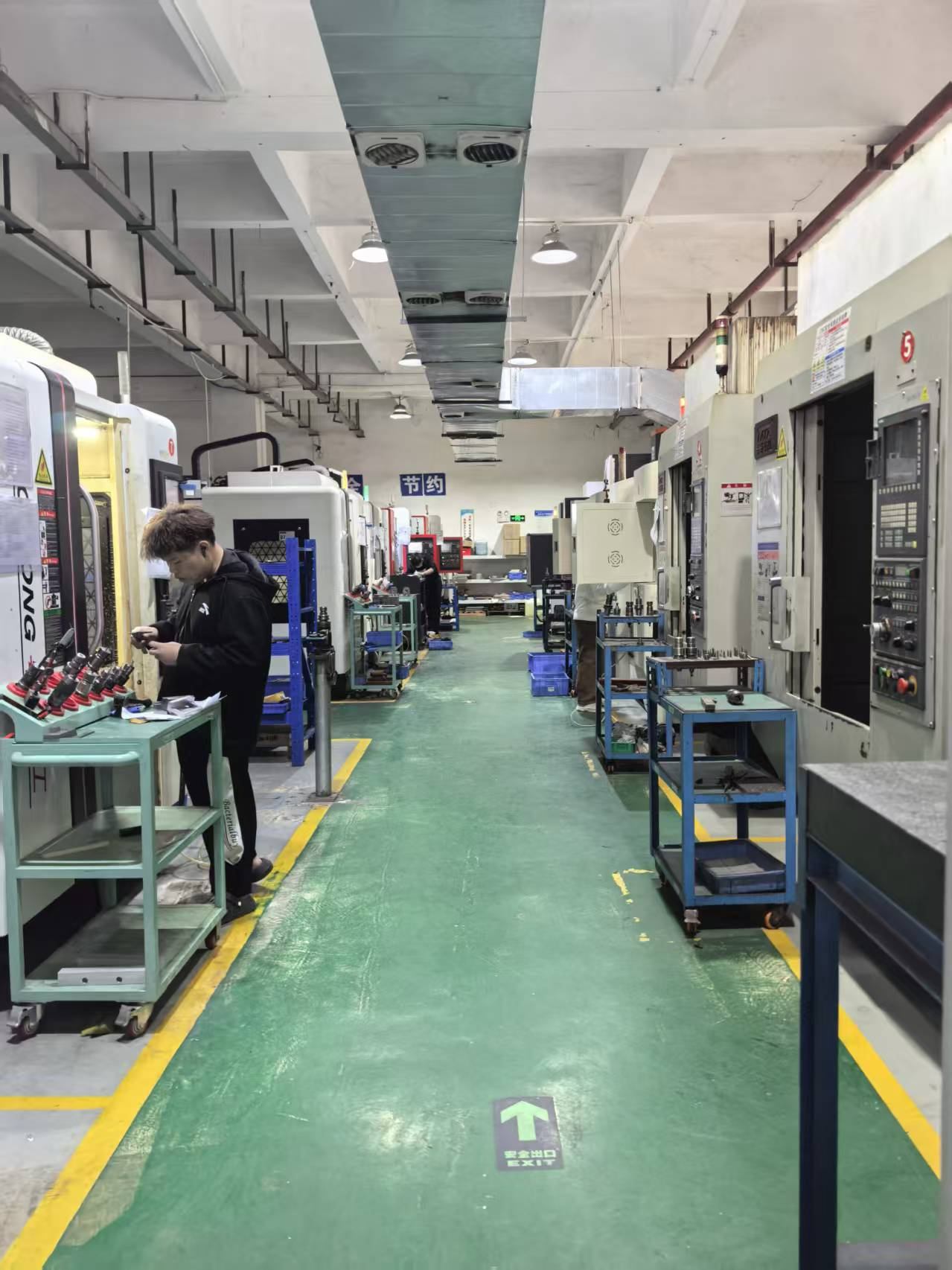
Selected workshop and part images from XHR's website media library. More project photos can be added as case studies grow.
Yes. XHR can source common machining materials and discuss availability during quotation.
6061 is widely used for general precision parts, while 7075 is often chosen when higher strength is needed.
Material certificate requirements should be noted during RFQ so availability and documentation can be confirmed.
Material choice affects price, lead time, tolerance stability, surface finish and part performance. XHR reviews material grade, substitutes, finish compatibility and inspection needs before quoting custom parts.
Use aluminum when weight, machinability, anodizing or general equipment use is important.
Use stainless steel when corrosion resistance, strength or medical and industrial reliability matters.
Use Delrin, PEEK, nylon or ABS when low friction, insulation, weight or prototype validation matters.
If the material is uncertain, send part function and operating environment so XHR can discuss practical options.
Send drawings and requirements to XHR. We will review process, material, tolerance, finishing, delivery, and packing needs.
Material Hub
Material selection affects price, lead time, tolerance stability, finish options and inspection planning. Use these pages before sending an RFQ.