Order range
1 piece prototypes, trial batches, and repeat small production runs
XHR supports low volume CNC machining for buyers who need reliable small batches without the cost or delay of mass-production tooling.
Quick technical answer
Low-volume CNC machining is usually attractive when demand does not justify dedicated tooling, the design may still change, or parts are needed as bridge production. It reduces tooling commitment and supports revisions, but unit cost may remain higher than a stable high-volume process.
| Requirement | Practical guidance |
|---|---|
| Best fit | Small repeat batches, bridge production, spare parts and products with uncertain demand or continuing design revisions. |
| Tolerance focus | Freeze the controlled drawing and critical features before each batch so revisions do not create mixed requirements. |
| Inspection | Approve a first article for each new revision, then define sampling or full inspection for critical batch features. |
| RFQ input | Batch quantity, annual or repeat demand, drawing revision, material, finish, inspection plan and target delivery schedule. |
Technical review: XHR Precision Machining
Quick comparison answer
CNC machining is usually better for prototypes, low or uncertain demand, design revisions, tighter feature control and multiple material choices without dedicated tooling. Die casting becomes attractive for stable high-volume nonferrous parts when tooling cost and lead time can be justified by lower recurring unit cost and near-net-shape production.
| Comparison factor | Practical decision guidance |
|---|---|
| Option 1 | CNC machining starts without casting tooling, supports revisions and works well for lower quantities or high-value precision features. |
| Option 2 | Die casting requires dedicated tooling and process development but can suit stable high-volume aluminum, zinc or magnesium parts. |
| Main tradeoff | CNC favors flexibility, accuracy and low commitment; die casting favors repeat volume and lower recurring cost after tooling is validated. |
| Selection rule | Compare lifetime demand, design stability, tooling investment, alloy limits, porosity risk, secondary machining and inspection needs. |
Technical review: XHR Precision Machining
Send drawings, material, quantity, tolerances, surface finish, and delivery requirements. XHR will review manufacturability before quotation.
1 piece prototypes, trial batches, and repeat small production runs
Custom metal parts, fixtures, replacement components, and equipment hardware
First article checks, in-process inspection, and final inspection before packing
Drawing review, material suggestion, tolerance discussion, and finish confirmation
Low volume CNC machining is useful for new product validation, equipment repair, pilot production, and custom machines where demand is limited but precision still matters.
For repeat small batches, XHR keeps process notes, fixture references, material requirements, and inspection focus points so the next order can match the approved parts more closely.
Selected workshop and part images from XHR's website media library. More project photos can be added as case studies grow.
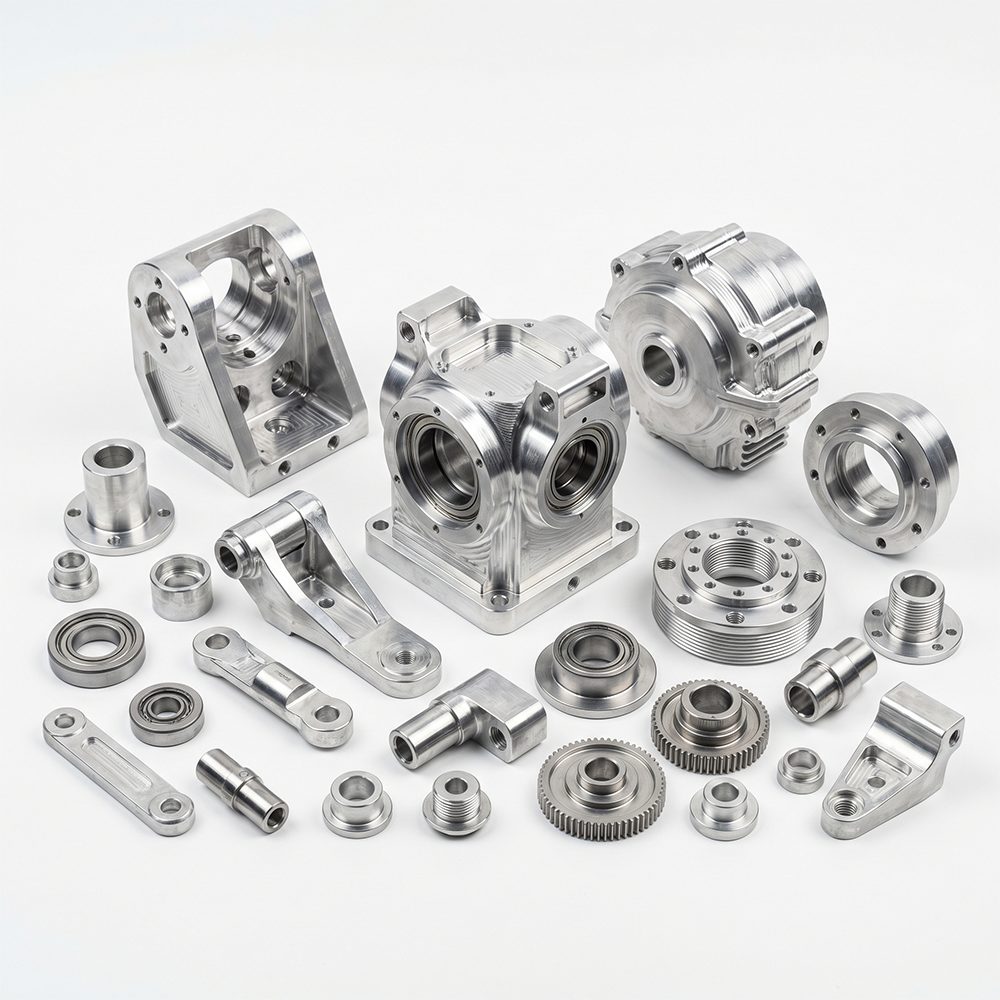
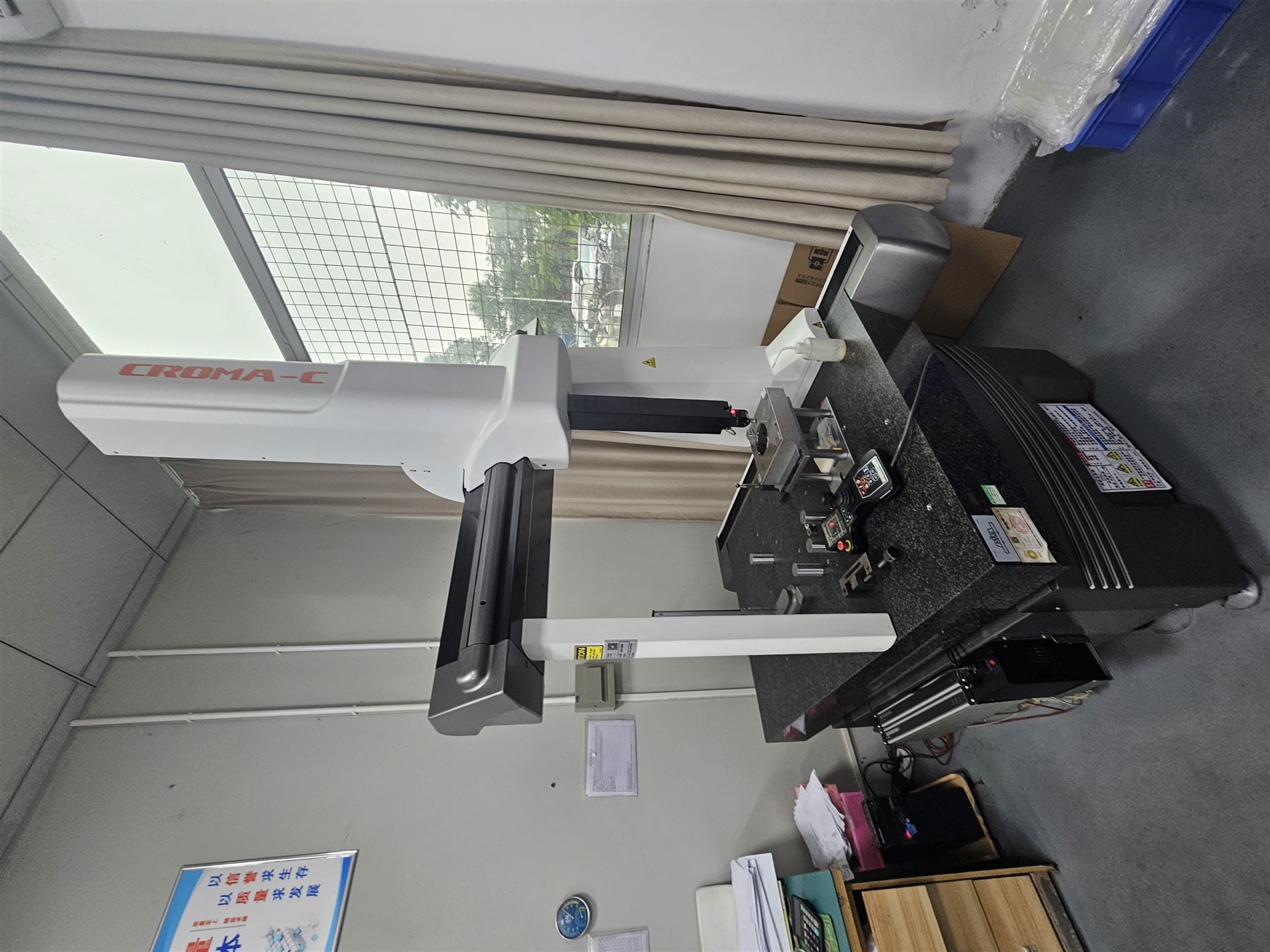
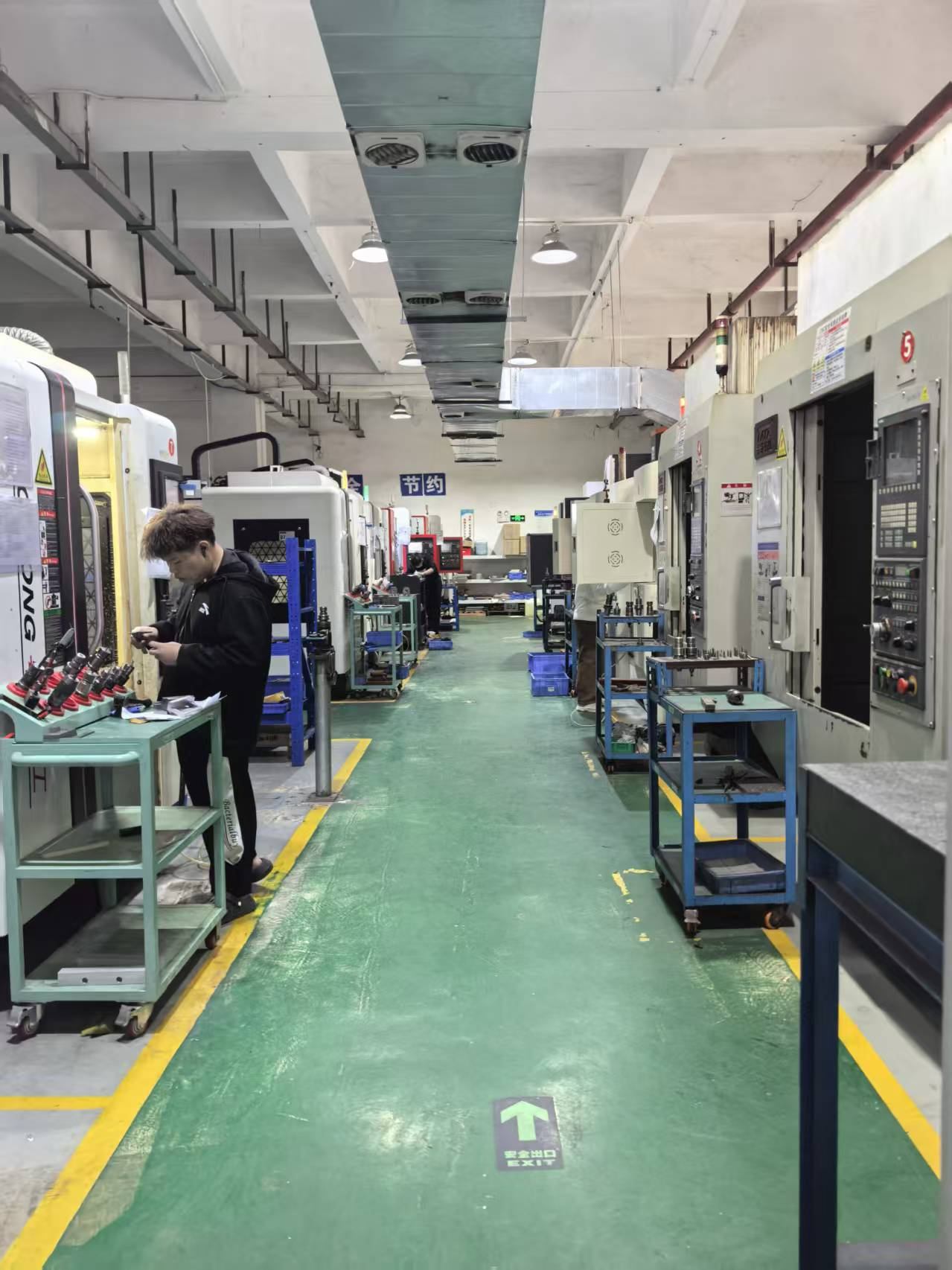
It depends on the part, but many XHR low-volume projects start from 1 to 100 pieces and can repeat in batches.
Usually yes compared with mass production, because setup and programming cost is spread across fewer parts. XHR can suggest practical tolerance and finish choices to control cost.
Yes. Keep the same drawing revision and material requirements, and XHR can use previous production information to support repeat orders.
Low-volume machining is useful when demand is real but tooling is not justified. XHR reviews batch quantity, drawing revision, setup strategy, inspection level and repeat-order expectations before quoting.
Share prototype quantity, first batch quantity and expected repeat demand so setup and pricing assumptions are realistic.
Use controlled drawings, material grades, finish notes and inspection points to keep small batches consistent over time.
Avoid unnecessary tight tolerances and cosmetic requirements on non-critical features when the batch is small.
Send current drawings, annual demand estimate, finish requirements and delivery target for a practical small-batch review.
Send drawings and requirements to XHR. We will review process, material, tolerance, finishing, delivery, and packing needs.