Common grades
304, 316, 303, 17-4PH, and drawing-specified stainless steel
XHR machines stainless steel 304, 316, and related grades for corrosion-resistant, high-strength components used in automation, medical devices, food equipment, laboratory tools, and industrial systems.
Quick technical answer
303 is often selected when machinability is the priority, 304 for broadly used corrosion-resistant parts, and 316 when greater resistance to chloride environments is required. The final choice must balance corrosion exposure, strength, weldability, finish, cost and drawing requirements.
| Requirement | Practical guidance |
|---|---|
| Best fit | 303 for machining efficiency, 304 for general-purpose parts and 316 for more demanding corrosion environments. |
| Tolerance focus | Review thin walls, deep holes, thread requirements, distortion risk and features affected by passivation or finishing. |
| Inspection | Confirm material grade, critical dimensions, thread fit, surface condition and any passivation documentation required. |
| RFQ input | Stainless grade, material certification needs, drawing, quantity, critical tolerances, finish, passivation and delivery target. |
Technical review: XHR Precision Machining
Quick comparison answer
Neither grade is universally better. 304 is the common general-purpose choice when normal corrosion resistance, availability and cost are the priority. 316 adds molybdenum and is usually chosen for greater resistance in chloride, marine or chemical exposure, but it generally costs more and can be more demanding to machine.
| Comparison factor | Practical decision guidance |
|---|---|
| Option 1 | 304 suits general equipment, housings, brackets and food or industrial parts without severe chloride exposure. |
| Option 2 | 316 suits marine, chloride-rich, chemical or washdown environments where added corrosion resistance justifies the cost. |
| Main tradeoff | 304 favors availability, cost and general use; 316 favors demanding corrosion performance with higher material and machining cost. |
| Selection rule | Choose from the actual exposure and cleaning chemistry, then confirm certification, passivation, finish and drawing requirements. |
Technical review: XHR Precision Machining
For a practical quotation, send your drawing, material, quantity, tolerance requirements, and surface finish. Our team will review manufacturability before quoting.
304, 316, 303, 17-4PH, and drawing-specified stainless steel
Good strength and corrosion resistance for demanding applications
Deburring, polishing, passivation, brushing, and inspection
Stable control for shafts, fittings, housings, and connectors
Precision round parts, sleeves, bushings, threaded shafts, and connector pins.
Custom fittings, couplers, fluid-related parts, and industrial hardware.
Machined bodies, covers, blocks, and corrosion-resistant machine components.
Support for polished surfaces, passivation, and careful deburring.
A widely used grade for general industrial and clean equipment components.
Often selected for stronger corrosion resistance in aggressive environments.
Useful when machinability is important and corrosion requirements are moderate.
We can review 17-4PH or other stainless grades when drawings specify them.
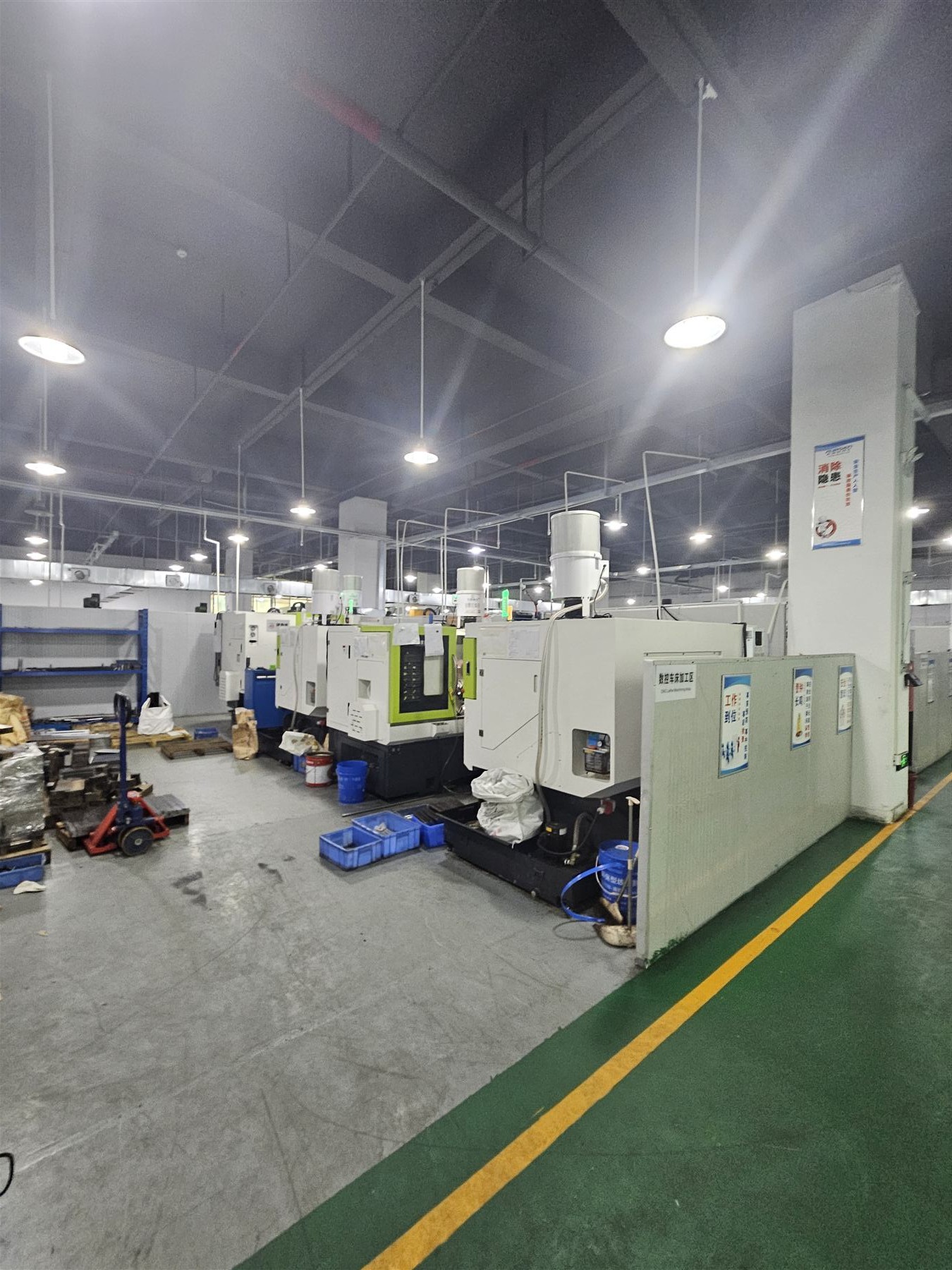
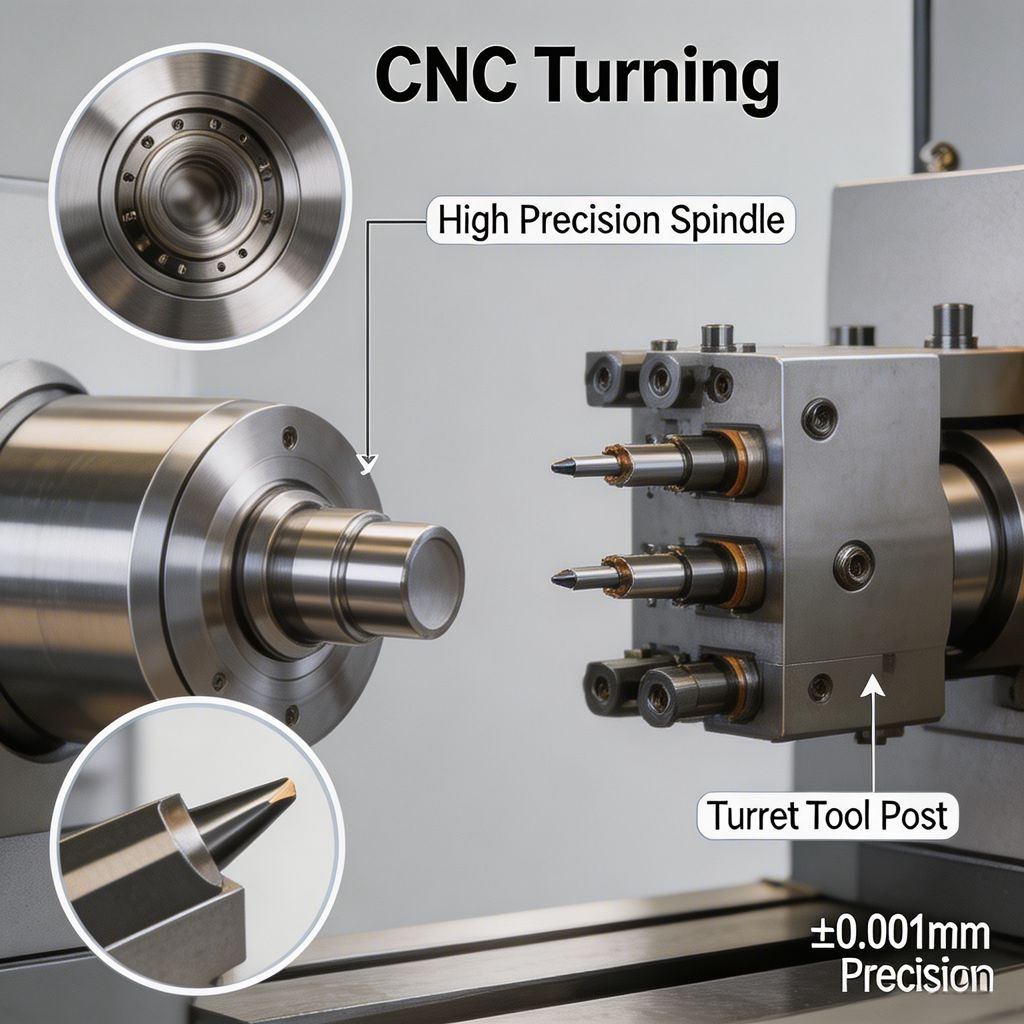
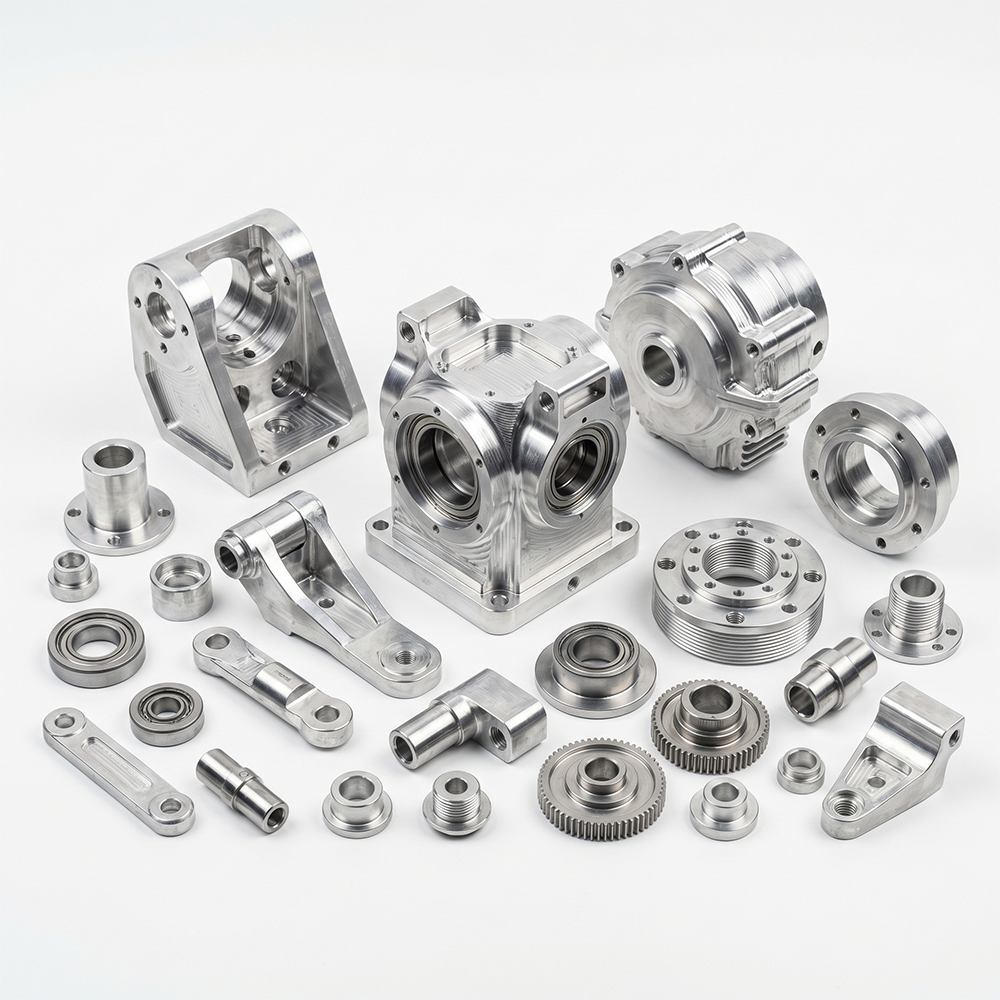
Selected workshop and part images from XHR's website media library. We will continue adding more project photos as the site grows.
Stainless steel is selected for strength, corrosion resistance, wear resistance, and long service life. It often needs more careful process control than aluminum because machining heat, tool wear, and burrs can affect quality.
304 is common for general stainless steel parts. 316 provides better corrosion resistance in harsher environments. Buyers should choose based on operating conditions, not only material price.
Stainless steel can work harden and create more tool wear. Deep holes, small threads, thin sections, and tight tolerances should be reviewed before production to reduce scrap and delay risk.
Functional edges, sealing faces, sliding surfaces, and visible surfaces should be clearly marked. Passivation, polishing, brushing, or bead blasting may be required depending on use.
Critical dimensions, thread gauges, surface finish, flatness, and corrosion-related finish requirements should be confirmed before shipment.
Send these details through the RFQ page so XHR can review machining feasibility, quote more accurately, and reduce production risk before cutting material.
Explore related service pages to understand our material, process, and application coverage.
316 generally offers better corrosion resistance, especially in more aggressive environments, while 304 is common for general industrial use.
Yes. We can provide polishing and other finishing options depending on your surface and appearance requirements.
Yes, with proper process planning. We review part geometry, material grade, and critical features before confirming tolerance targets.
Stainless steel is useful when corrosion resistance, strength, wear resistance, and clean industrial appearance matter.
304 and 316 for corrosion resistance, 303 for machinability, and 17-4PH after project review.
Shafts, sleeves, pins, bushings, brackets, housings, connectors, medical and laboratory components.
Tool wear, heat control, burrs, thread quality, polishing, passivation, and final inspection.
Diameter tolerance, thread fit, sealing faces, runout, concentricity, and surface finish.
Clear drawings and inspection notes help XHR quote accurately, plan machining steps, and protect critical features before shipment.
Send drawings and requirements to XHR. We will review the machining process, material, tolerance, finishing, delivery, and packing needs.
Stainless Steel Cluster
Stainless steel parts often need extra attention to tool wear, burr control, thread quality, passivation needs and inspection details.