Common grades
Drawing-specified titanium grades including commonly requested industrial titanium alloys
XHR machines titanium parts for buyers who need strong, lightweight, corrosion-resistant components. Titanium requires careful process control, sharp tooling, heat management, and practical tolerance review before production.
Quick technical answer
Titanium combines high strength with low thermal conductivity, so cutting heat stays near the tool and process stability becomes important. Successful machining depends on the grade, rigid workholding, sharp tooling, controlled cutting conditions, feature geometry and inspection plan.
| Requirement | Practical guidance |
|---|---|
| Best fit | High-strength, corrosion-resistant parts where titanium performance justifies higher material and machining cost. |
| Tolerance focus | Review thin walls, long features, small internal radii, deep pockets and deformation or springback risk. |
| Inspection | Verify material grade, critical dimensions, threads, burr condition and any surface or traceability documents. |
| RFQ input | Titanium grade, drawing and model, quantity, critical tolerances, surface finish, certification and inspection requirements. |
Technical review: XHR Precision Machining
For a practical quotation, send your drawing, material, quantity, tolerance requirements, and surface finish. Our team will review manufacturability before quoting.
Drawing-specified titanium grades including commonly requested industrial titanium alloys
High strength-to-weight ratio and strong corrosion resistance
Tooling, heat control, stable clamping, and careful deburring
High-value prototypes, small batches, and precision functional parts
Lightweight brackets, adapters, frames, and mounting parts for demanding assemblies.
Device components, fixtures, holders, and precision parts manufactured to customer drawings.
Corrosion-resistant parts for equipment, tooling, fixtures, and special-purpose machines.
Milled, turned, and multi-face parts where titanium strength and weight matter.
Titanium can retain heat during machining, so process planning and cutting strategy matter.
Sharp tools, stable parameters, and inspection help maintain dimensional consistency.
Thin or complex titanium parts need fixture planning to reduce vibration and deformation.
Edges, burrs, and surface finish requirements should be clearly specified on drawings.
Selected workshop and part images from XHR's website media library. We will continue adding more project photos as the site grows.
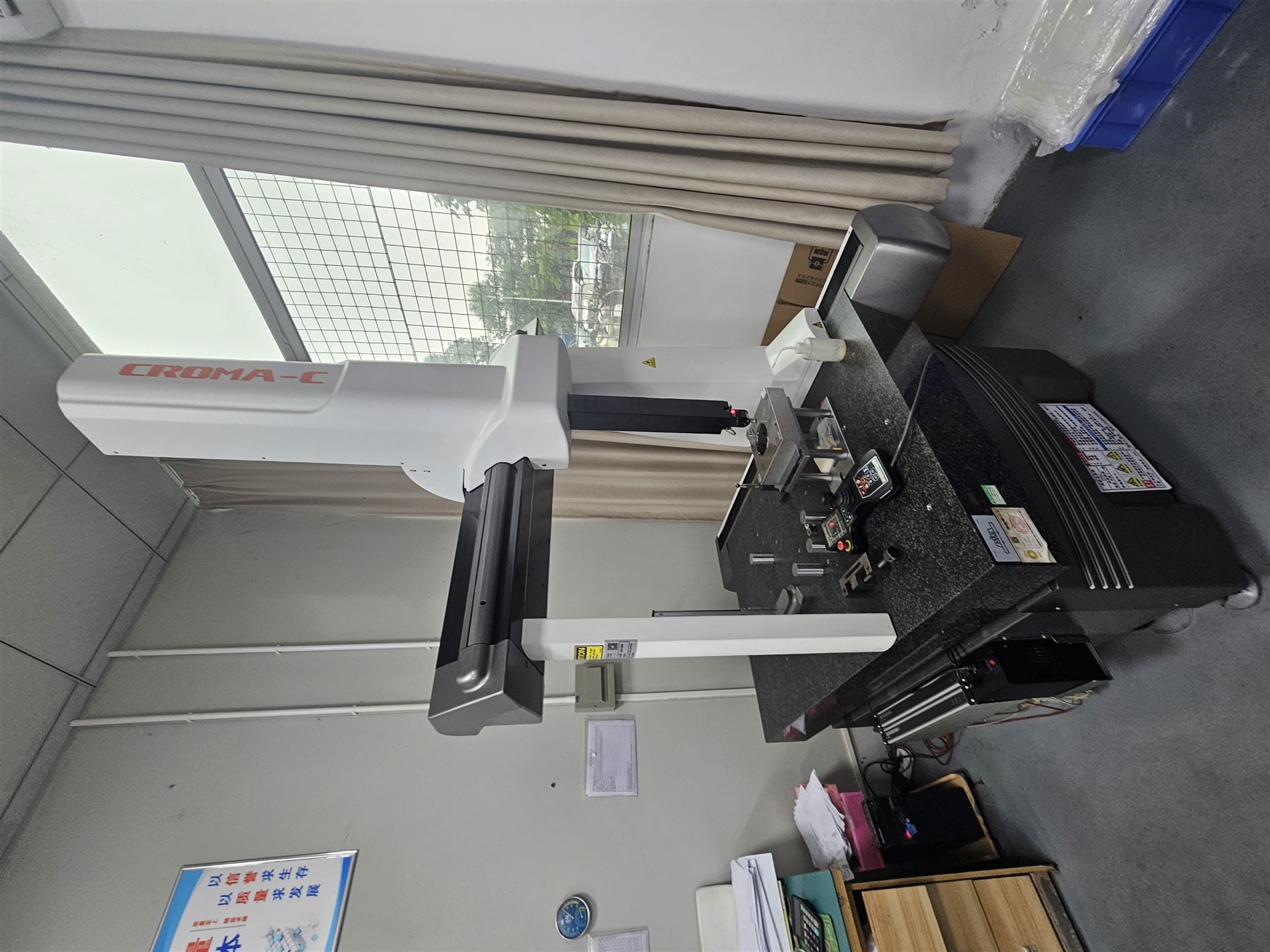
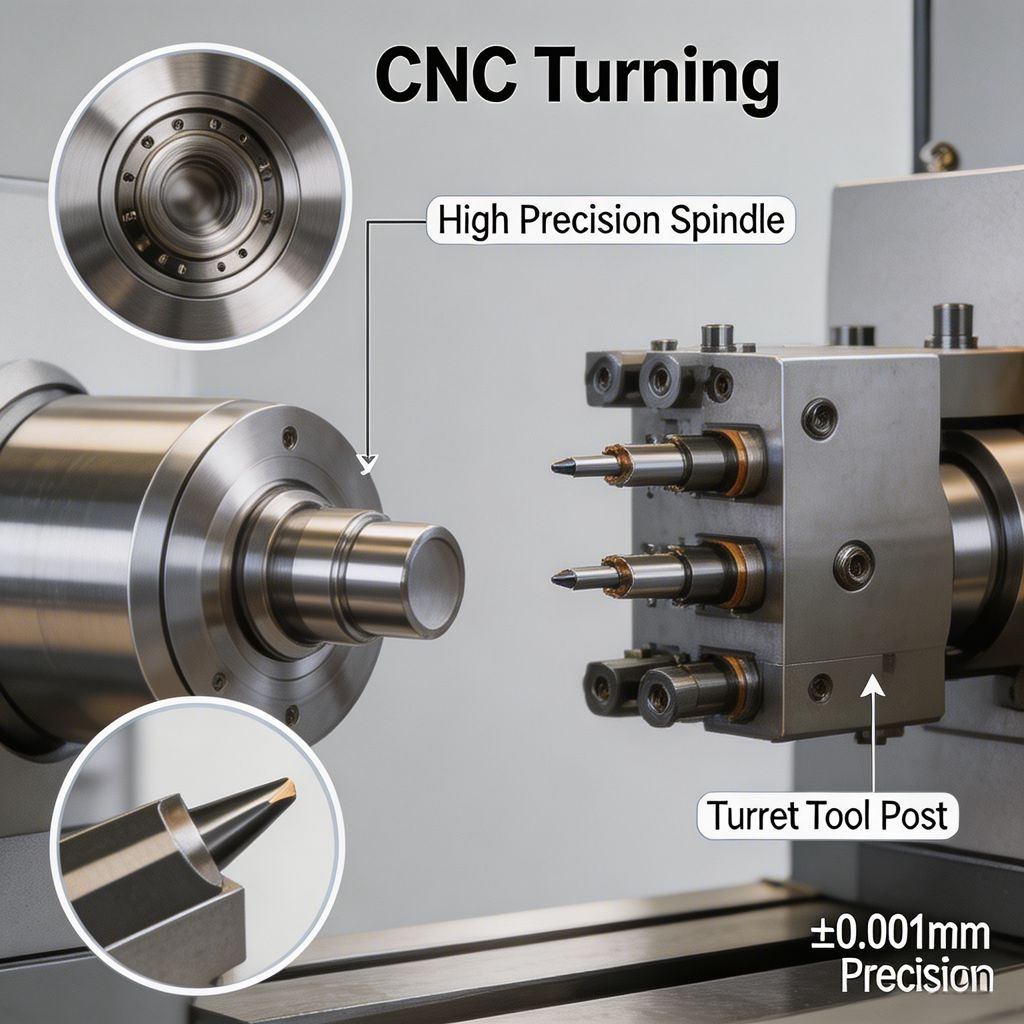
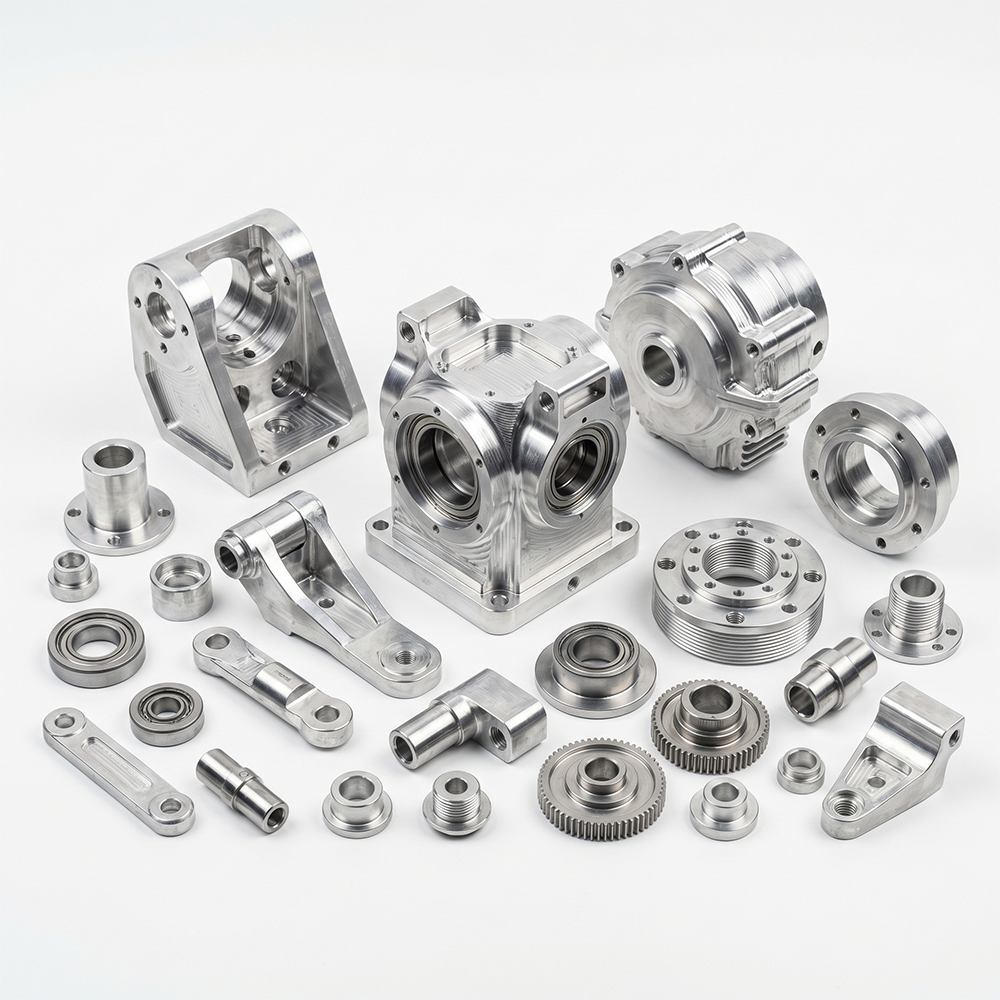
Titanium is used when parts need high strength, low weight, corrosion resistance, or special performance requirements. It is usually a higher-value material, so drawing review and process planning are especially important.
Titanium may be suitable for aerospace-style parts, medical equipment components, lightweight assemblies, corrosion-resistant hardware, and demanding precision applications.
Titanium can generate heat and requires careful tool selection, coolant strategy, and machining parameters. Thin walls, deep pockets, and tight tolerances should be reviewed before quoting.
Material cost and machining time are higher than many common metals. Mark only truly critical tolerances and avoid unnecessary complexity where function does not require it.
For high-value titanium parts, buyers may request material certificates, first article inspection, CMM reports, or special packing to protect finished surfaces.
Send these details through the RFQ page so XHR can review machining feasibility, quote more accurately, and reduce production risk before cutting material.
Explore related service pages to understand our material, process, and application coverage.
Use this section to match drawings, tolerance requirements and delivery targets before sending an RFQ.
Titanium alloy brackets, lightweight structural parts, corrosion-resistant components and high-strength custom parts.
Share 2D drawings, 3D files, material grade, quantity, tolerance notes, surface finish and inspection requirements.
Focus on heat control, tool wear, burr removal, tight datum control and inspection of functional surfaces.
Setup time, programming complexity, material availability, fixture needs, surface treatment and inspection depth usually drive price and delivery.
Yes. Titanium needs more careful cutting strategy, heat control, and tooling management than many common materials.
Yes. A STEP file plus 2D drawing, material grade, quantity, finish, and critical tolerances will help us quote accurately.
No. Aluminum may be more economical for many lightweight parts. Titanium is better when strength, corrosion resistance, or application requirements justify the cost.
Send drawings and requirements to XHR. We will review the machining process, material, tolerance, finishing, delivery, and packing needs.