Evidence to share
Use the controlled drawing revision, 3D model, material specification and the notes that define critical fit, function or appearance.
XHR supports precision CNC machined components for aerospace-style projects, UAV systems, test equipment, fixtures, lightweight structures, and high-value prototypes. We focus on drawing review, stable machining, material traceability discussion, and inspection requirements without overstating certifications.
Buyer decision guide
A useful request for Aerospace-Style CNC Machining starts with the part function and the interfaces that control fit, motion, alignment, sealing, wear or appearance. Buyers should provide the current drawing and model, then define drawing-defined requirements, traceability discussion, material, critical dimensions, inspection and packing needs. This lets the machining route, inspection focus and quotation assumptions be reviewed before production.
| Review area | What to provide or confirm |
|---|---|
| Part function | Explain where the part is used and which features control precision parts for aerospace-style, UAV, test and lightweight equipment projects. |
| Drawing definition | Provide the current revision, material, quantity, tolerance, finish and the features that require special attention. |
| Manufacturing review | Review machining access, workholding, deformation or burr risk, finishing sequence and realistic process capability. |
| Inspection and RFQ | State the dimensions, fit or appearance criteria to verify, then send the drawing and requirements for a practical quote. |
Use the controlled drawing revision, 3D model, material specification and the notes that define critical fit, function or appearance.
XHR reviews manufacturability, practical process choices, critical inspection points and the assumptions that affect price or lead time.
Send the drawing, quantity, finish and delivery target through the RFQ page for a part-specific review.
Technical review: XHR Precision Machining
For a practical quotation, send your drawing, material, quantity, tolerance requirements, and surface finish. Our team will review manufacturability before quoting.
Lightweight brackets, housings, plates, adapters, fixtures, and prototype components
Aluminum, stainless steel, titanium, brass, and engineering plastics by drawing
3-axis, 4-axis, 5-axis milling, turning, EDM, finishing, and inspection
Critical dimensions, surface finish, deburring, packing, and documentation discussed during RFQ
CNC machined brackets, mounting plates, adapters, and structural components for weight-sensitive assemblies.
Custom housings, link parts, sensor mounts, and multi-face components for compact mechanical systems.
Inspection tooling, laboratory fixtures, assembly aids, and precision locating parts.
Low-volume precision parts for engineering validation and design iteration.
Material grade, substitute options, certificates, and traceability needs should be clear during RFQ.
Pockets, thin walls, and complex features must be reviewed for deformation and machining stability.
Hole positions, mating surfaces, threads, and reference datums are checked against drawing priorities.
Inspection and material documentation can be discussed according to purchasing requirements.
Selected workshop and part images from XHR's website media library. We will continue adding more project photos as the site grows.
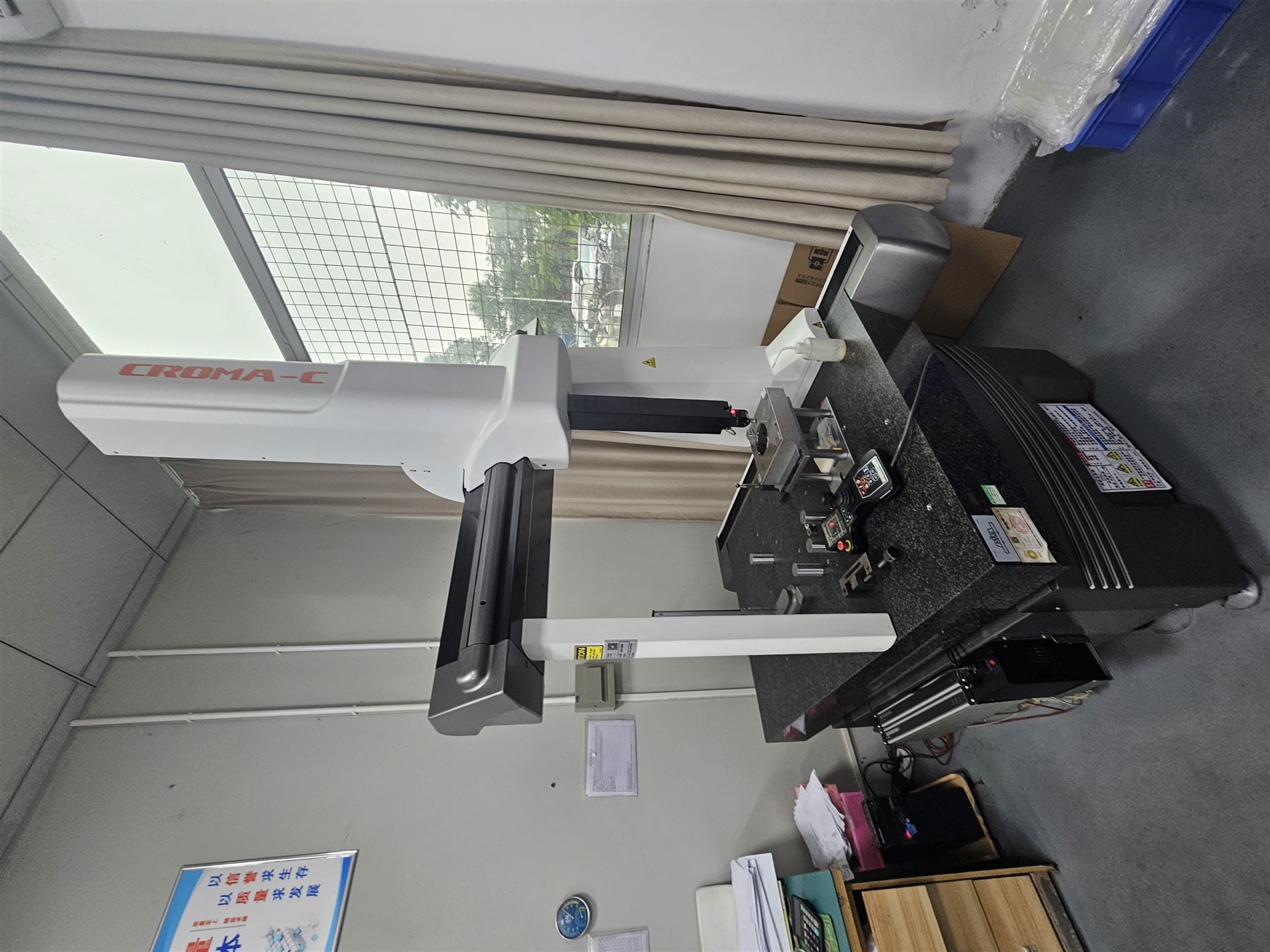
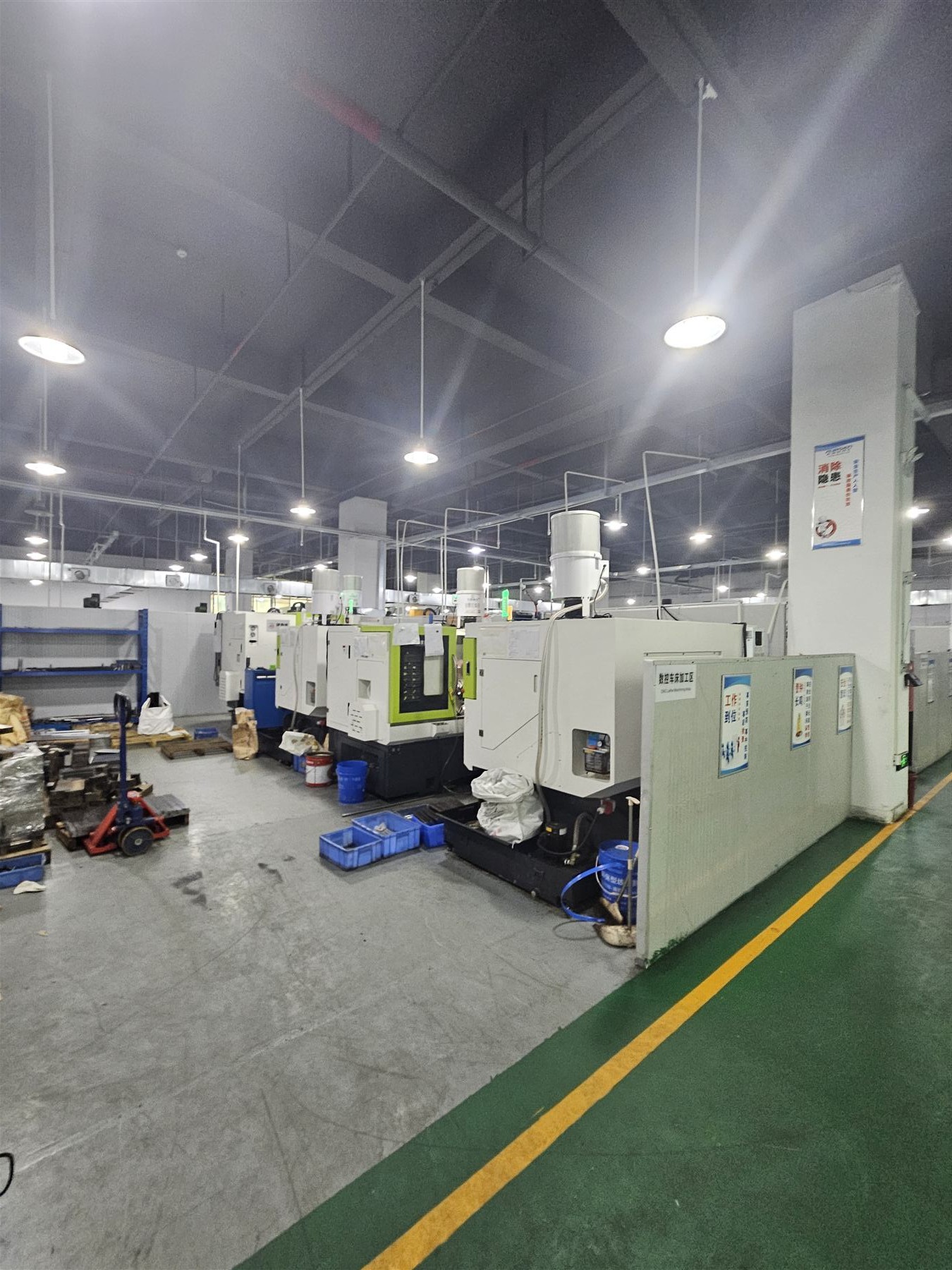
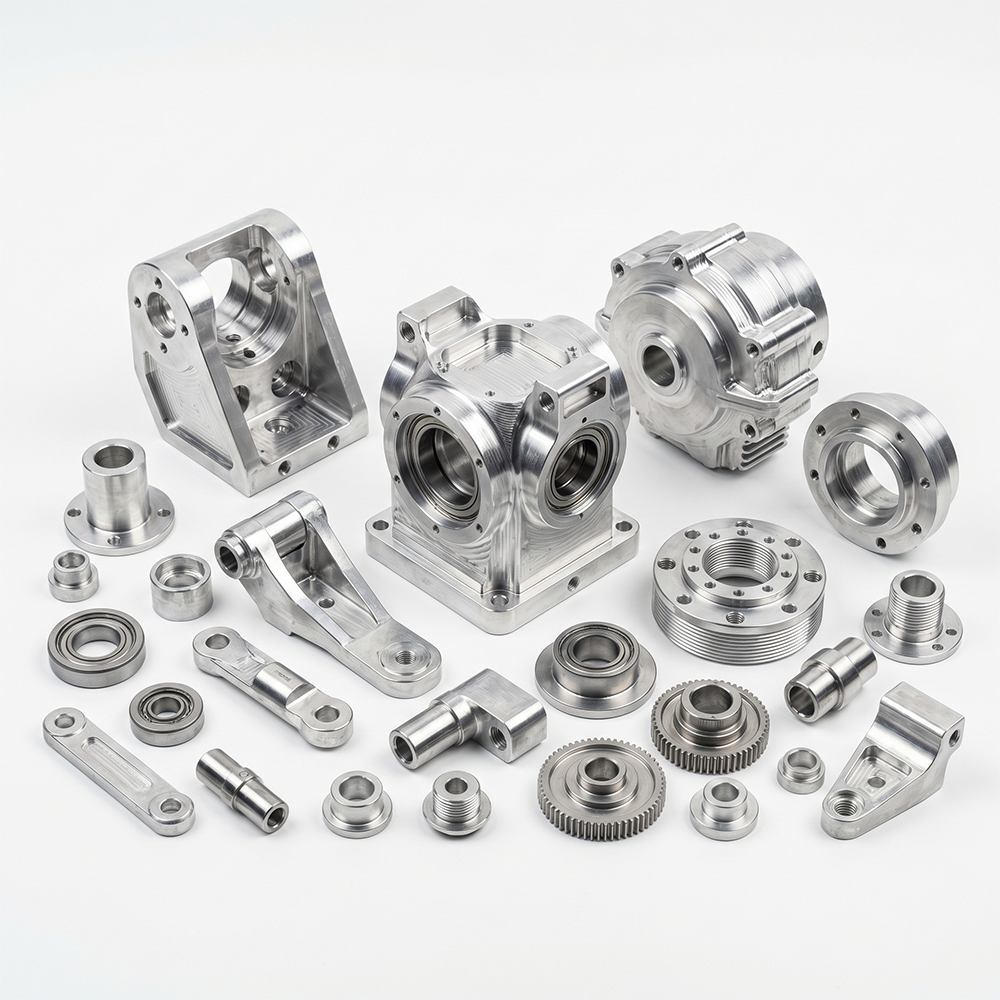
Aerospace-style parts, UAV components, lightweight brackets, and test fixtures often require high strength-to-weight ratio, reliable alignment, and careful inspection of critical features.
Aluminum and titanium are often used for lightweight brackets, plates, mounts, frames, and UAV-related components. Geometry should balance weight reduction with machining stability.
Angled holes, multi-face features, pockets, ribs, and curved surfaces may require 4-axis or 5-axis machining. Early review helps choose a practical machining route.
Datum features, hole locations, mating surfaces, flatness, and alignment features should be marked clearly so inspection can focus on what affects assembly performance.
If the project requires material certificates, inspection reports, first article inspection, or special traceability, these should be stated in the RFQ.
Send these details through the RFQ page so XHR can review machining feasibility, quote more accurately, and reduce production risk before cutting material.
Explore related service pages to understand our material, process, and application coverage.
We do not claim AS9100 certification on this page. We can review your drawing, inspection, and documentation needs honestly during RFQ.
Yes. We can review 6061, 7075, and other drawing-specified materials for lightweight precision components.
Yes. Complex multi-face features can be reviewed for 5-axis or multi-process machining when it improves accuracy or reduces setups.
Send drawings and requirements to XHR. We will review the machining process, material, tolerance, finishing, delivery, and packing needs.