Common grades
304, 316, 303 and other grades after review
Stainless steel parts are chosen when corrosion resistance, wear resistance or clean industrial appearance matter. The quote should reflect not only material grade, but also thread quality, burr control, finish and inspection needs.
Use this page when you already have drawings or a part concept and need to decide whether XHR is a fit for the process, material and inspection requirements.
It is often used for parts that face moisture, chemicals, cleaning or wear.
Grade choice, thread standards and finish requirements can all change machining time and inspection effort.
Threads, fits, sealing faces, diameter tolerance and cosmetic surfaces should be clear.
Material certificates or inspection reports should be requested when the application needs them.
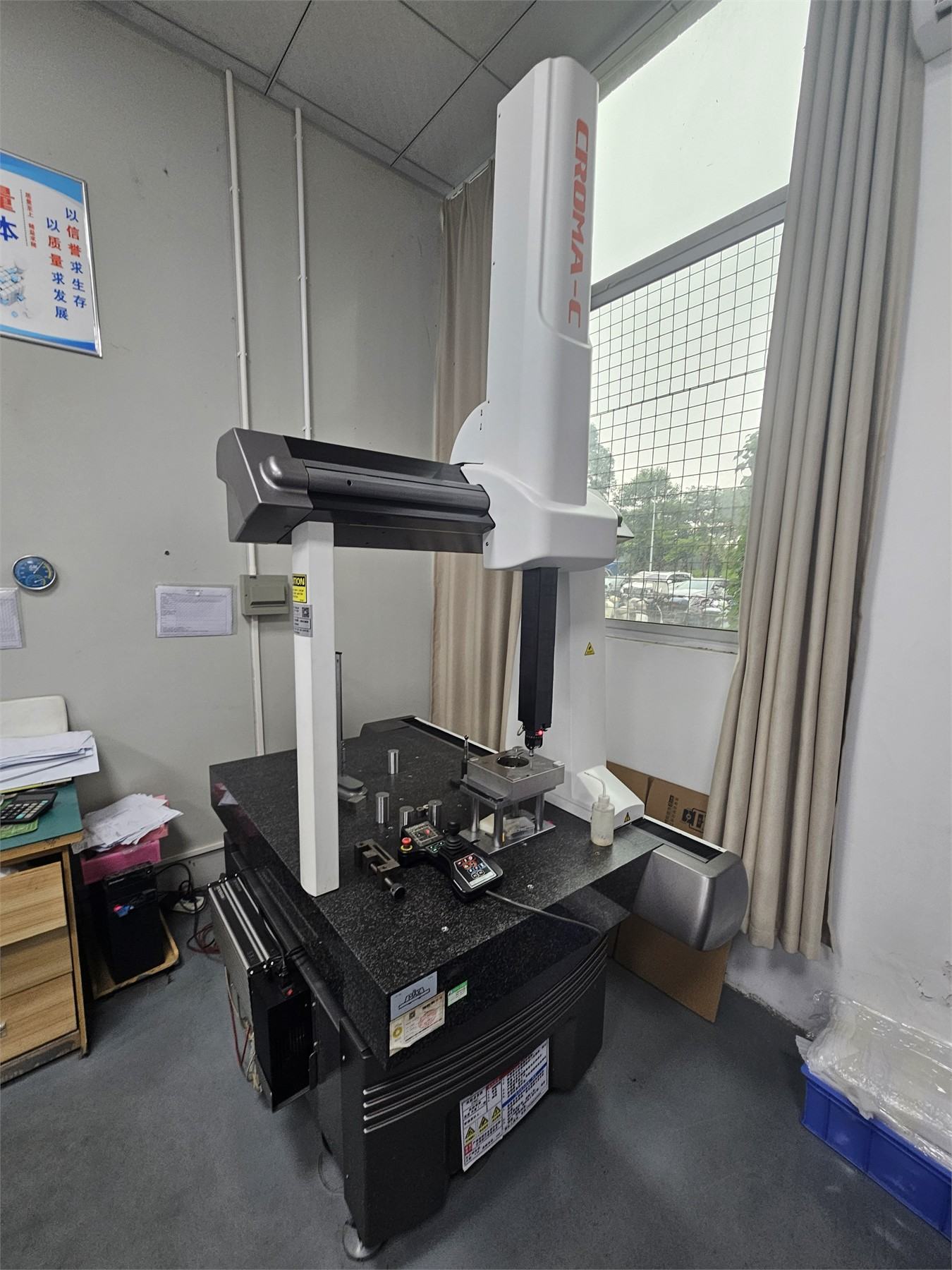
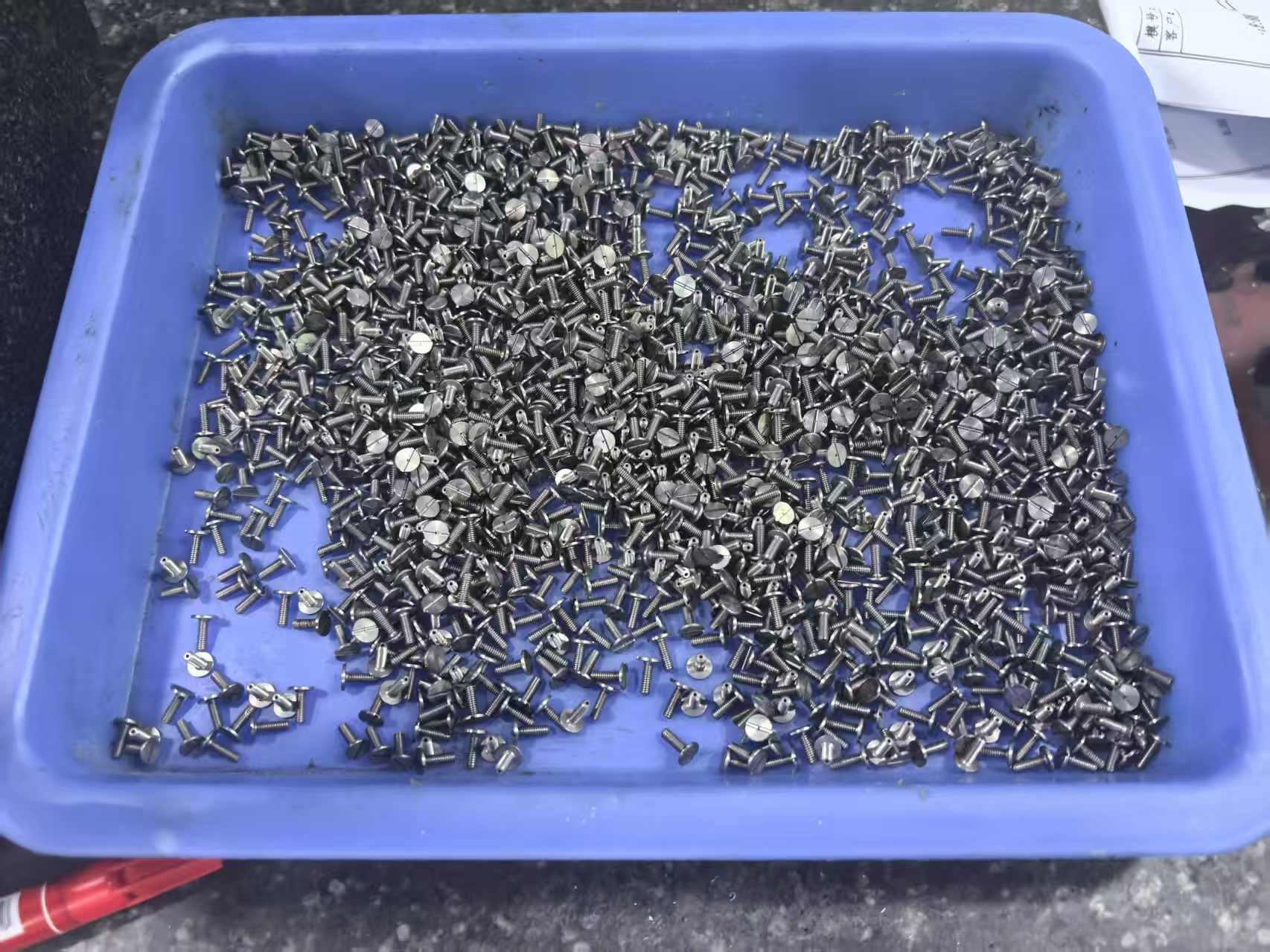
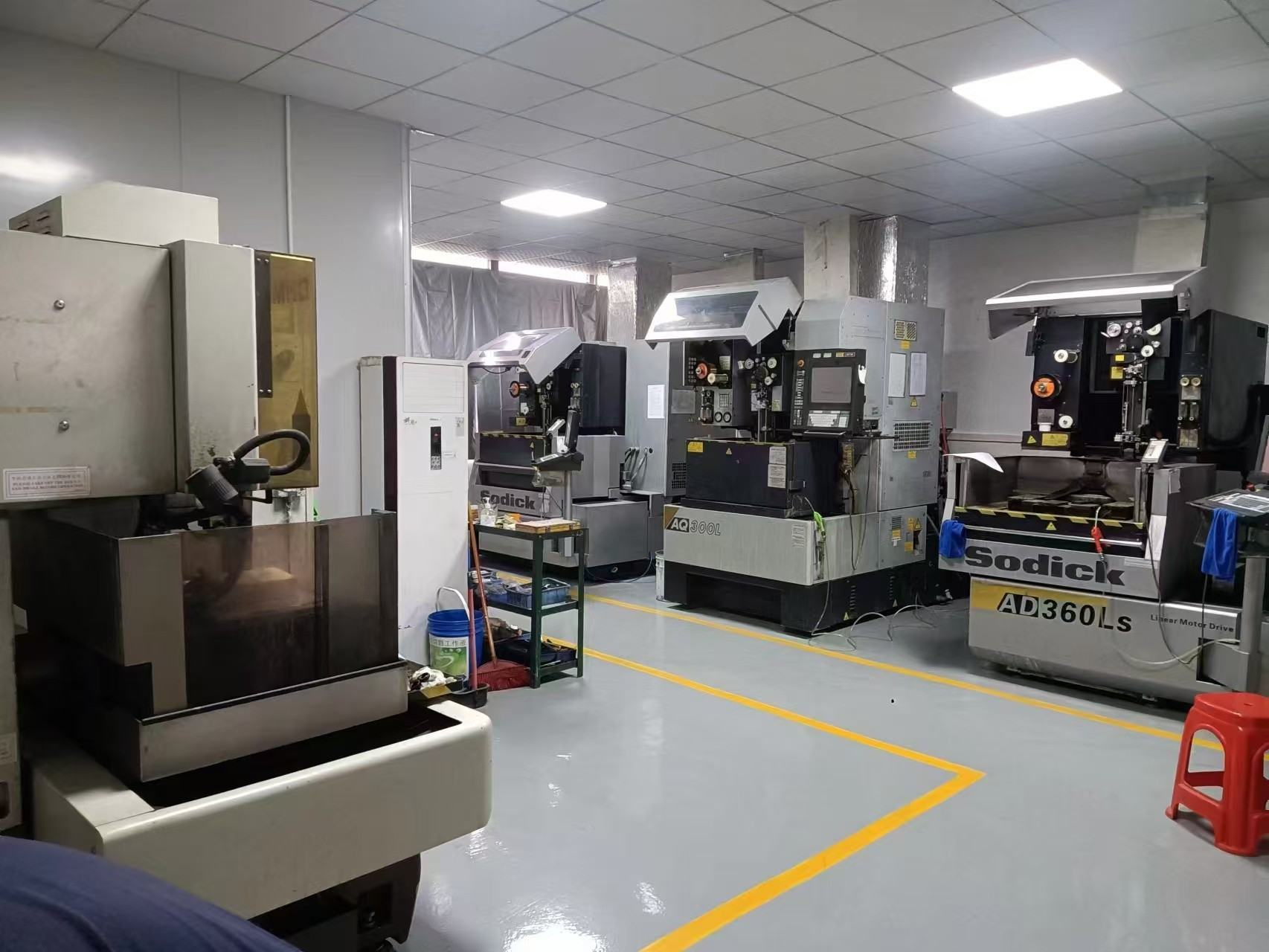
304, 316 and 17-4PH solve different problems and should not be used interchangeably.
Thread standard, usable depth and gauge requirement should be explicit.
Corrosion and appearance requirements should be set before the order is priced.
XHR checks whether the selected stainless grade matches the function and the geometry.
The team reviews thread quality, diameter control and mating surfaces before quoting.
Critical dimensions and finish expectations are separated from general geometry.
Yes. Those are common stainless machining grades and can be reviewed from drawings.
Yes. It should be included whenever corrosion resistance or appearance matters.
Yes. Thread depth, standard and gauge requirement should be clear on the RFQ.
Send the drawing, quantity and finish requirements. XHR will review the part before quoting.