Common finishes
Anodizing, bead blasting, polishing, passivation, plating, black oxide, brushing, and tumbling
Surface finish affects appearance, corrosion resistance, wear, friction, cleaning, assembly, and final dimensions. XHR helps buyers confirm finish requirements before production.
Quick technical answer
Choose a CNC part finish from the functional requirement first: corrosion resistance, wear, friction, conductivity, cleanability or appearance. Material compatibility, coating buildup, masking, cosmetic surfaces and whether dimensions apply before or after finishing should be stated on the drawing.
| Requirement | Practical guidance |
|---|---|
| Best fit | Anodizing for aluminum protection, passivation for stainless cleanliness, black oxide for selected steels and coatings for appearance or corrosion needs. |
| Tolerance focus | Identify fits, threads, holes, contacts and sealing faces where coating buildup or masking affects final dimensions. |
| Inspection | Define color sample, gloss, texture, coating certificate, thickness or adhesion checks and final cosmetic acceptance criteria. |
| RFQ input | Base material, finish standard, color and gloss, masking drawing, cosmetic faces, final dimensions, quantity and packing requirements. |
Technical review: XHR Precision Machining
Quick comparison answer
Use anodizing mainly for aluminum parts that need an integral oxide surface, metallic appearance, corrosion protection or controlled wear performance. Use powder coating when a thicker polymer coating, broad color choice and general environmental protection are more important. The decision must also consider material, masking, fits, threads, edge coverage and cosmetic acceptance.
| Comparison factor | Practical decision guidance |
|---|---|
| Option 1 | Anodizing is usually preferred for aluminum housings, brackets and wear surfaces where the metal character and tighter dimensional control matter. |
| Option 2 | Powder coating is usually preferred for larger panels, frames or visible parts needing broad color choice and a thicker protective layer. |
| Main tradeoff | Anodizing becomes part of the aluminum surface but has alloy-dependent color; powder coating offers color flexibility but adds more thickness and can chip. |
| Selection rule | Choose from base material and function, then define standard, color, gloss, masking, final dimensions, adhesion and cosmetic criteria. |
Technical review: XHR Precision Machining
Send drawings, material, quantity, tolerances, surface finish, and delivery requirements. XHR will review manufacturability before quotation.
Anodizing, bead blasting, polishing, passivation, plating, black oxide, brushing, and tumbling
Finish options depend on aluminum, stainless steel, carbon steel, brass, copper, or titanium
Color, surface roughness, masking, cosmetic faces, and functional surfaces should be specified
Coatings and polishing can affect final size, edges, threads, and fitted surfaces
Surface treatment should be discussed before quotation because it can affect machining allowance, process sequence, inspection, lead time, and packing.
A part may have both functional surfaces and cosmetic faces. Marking these clearly helps XHR protect the right areas and inspect the correct dimensions after finishing.
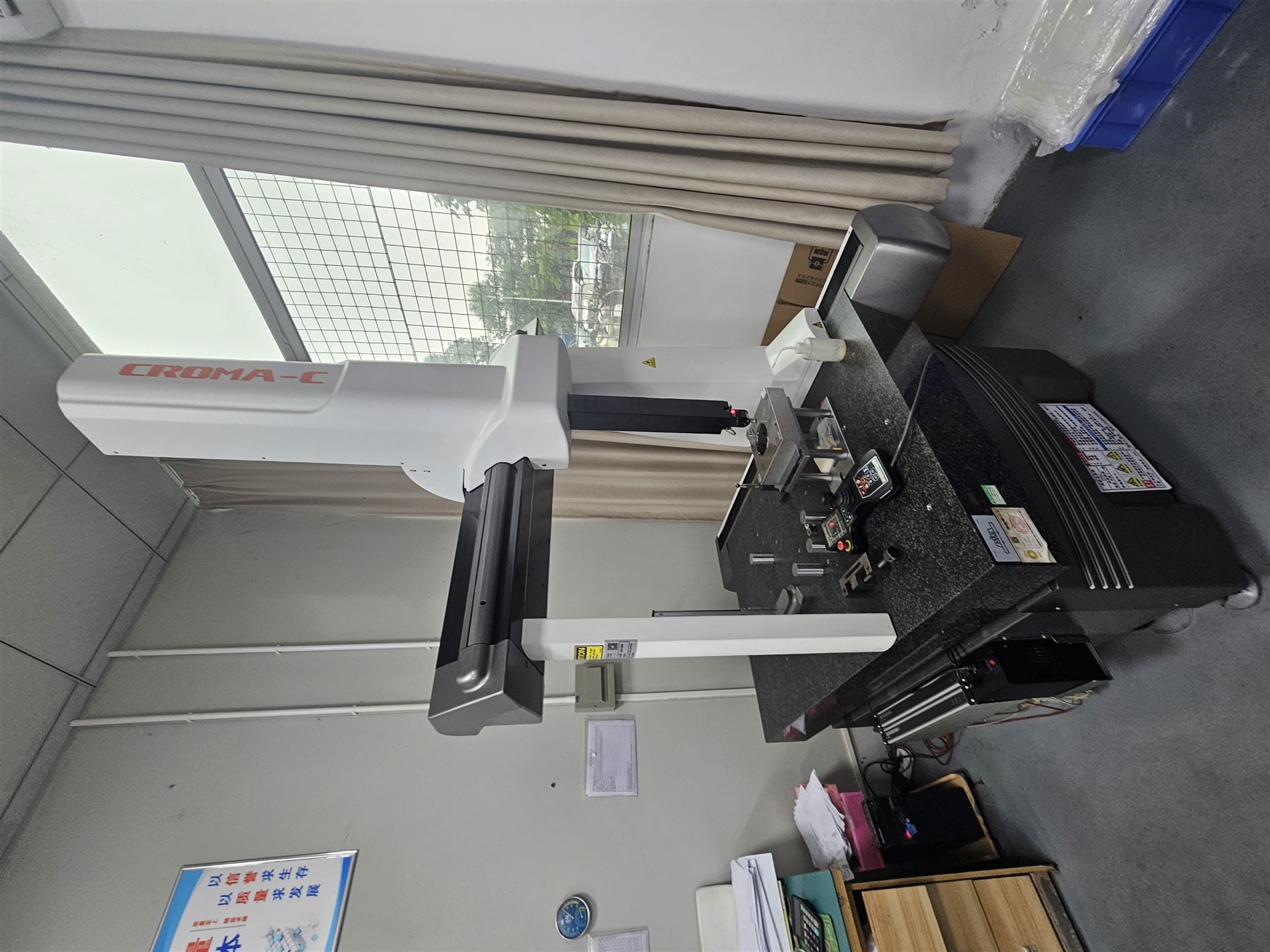
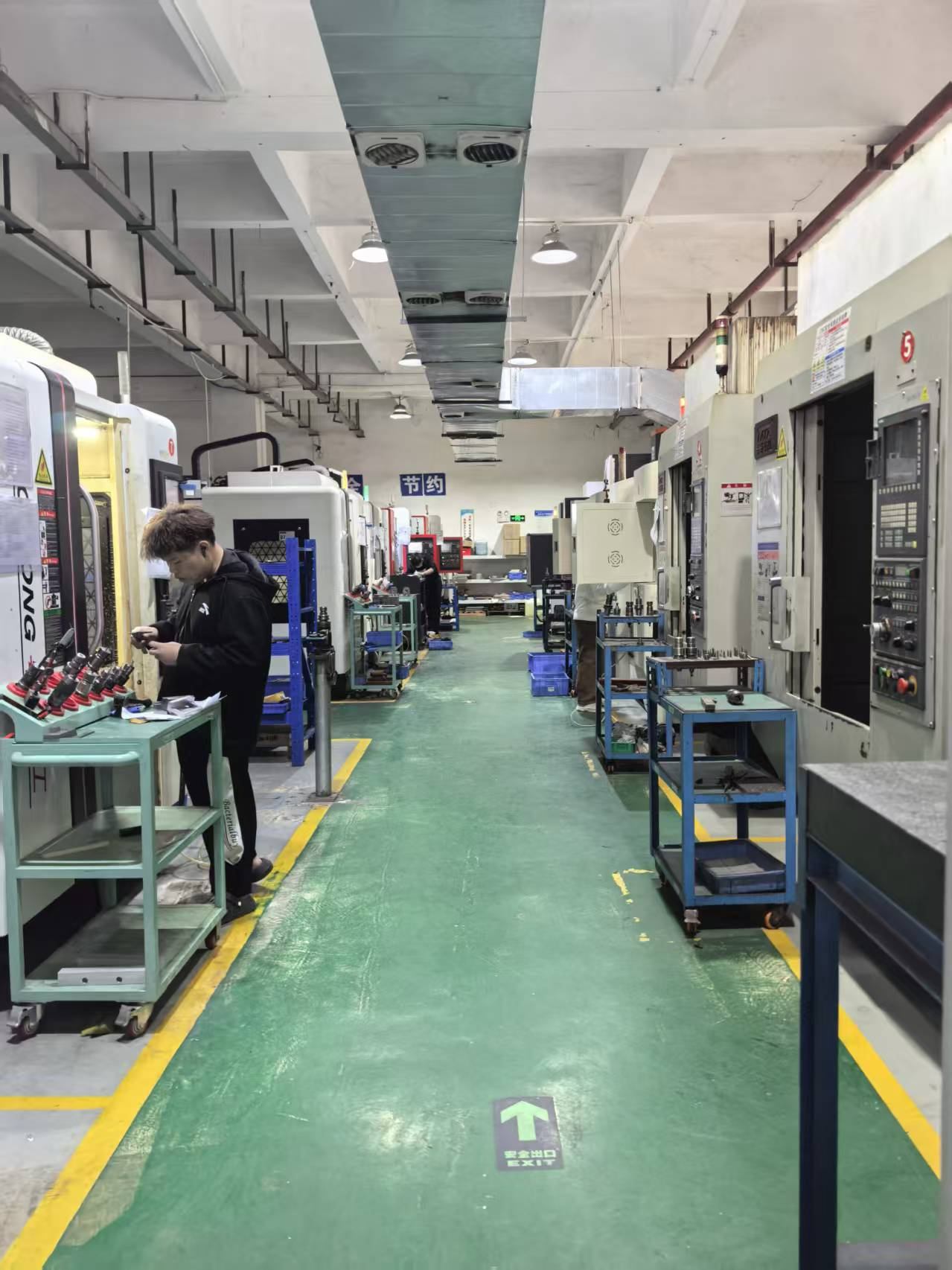
Selected workshop and part images from XHR's website media library. More project photos can be added as case studies grow.
Yes. Anodizing can be discussed for suitable aluminum parts, including color and cosmetic requirements.
Yes. Finish type, color, surface roughness, masking, and cosmetic requirements should be noted whenever possible.
Yes. Coatings, polishing, and blasting may change surfaces or edges, so critical features should be discussed before production.
These guides help buyers prepare clearer drawings, cost expectations, tolerance notes and finish requirements before sending a quotation request.
Send drawings and requirements to XHR. We will review process, material, tolerance, finishing, delivery, and packing needs.
Finish Hub
Surface finish requirements can change dimensions, cost, lead time and handling risk. Mark cosmetic and functional areas clearly on drawings.