Prototype quantity
1 piece and small trial quantities after drawing review
XHR machines CNC prototypes for overseas engineering and purchasing teams that need real material parts to validate fit, function, assembly, and manufacturability.
Quick technical answer
A CNC prototype is most useful when it tests the intended material, fit, function, assembly and critical dimensions before repeat production. The approved drawing revision, inspection results and agreed deviations should be recorded before the prototype becomes the production reference.
| Requirement | Practical guidance |
|---|---|
| Best fit | Functional prototypes and engineering samples that need production-intent material, machining and surface finish. |
| Tolerance focus | Prioritize interfaces, datums, moving fits, sealing faces and dimensions that determine whether the design works. |
| Inspection | Use a first-article inspection record to compare the machined sample with critical drawing requirements and approved changes. |
| RFQ input | Current 2D and 3D files, prototype quantity, material, finish, critical dimensions, test purpose and required delivery date. |
Technical review: XHR Precision Machining
Quick comparison answer
CNC machining is usually better for fast functional prototypes and low quantities without mold tooling, using available plastic stock. Injection molding is better for stable high-volume geometry after tooling is justified. A machined plastic prototype does not perfectly reproduce molded fiber orientation, shrinkage, weld lines, surface texture or residual stress, so validation goals must be stated clearly.
| Comparison factor | Practical decision guidance |
|---|---|
| Option 1 | CNC machining supports fast revisions, low quantities and precise stock-material prototypes without mold investment. |
| Option 2 | Injection molding supports repeat high volume, molded features, texture and lower recurring cost after the tool and process are validated. |
| Main tradeoff | CNC reduces tooling commitment but removes material; molding enables near-net volume but introduces tooling, shrinkage and process-specific behavior. |
| Selection rule | Use CNC to validate geometry and assembly early, then use molded trials to validate final material flow, texture and production behavior. |
Technical review: XHR Precision Machining
Send drawings, material, quantity, tolerances, surface finish, and delivery requirements. XHR will review manufacturability before quotation.
1 piece and small trial quantities after drawing review
Fit checks, functional validation, assembly testing, and pre-production review
Aluminum, stainless steel, steel, brass, copper, plastics, and titanium after review
Prototype feedback can be used to improve drawings before small batch production
A CNC machined prototype helps buyers find design, tolerance, assembly, and finish issues before committing to repeat production.
Please mark critical dimensions, assembly surfaces, threads, finish areas, and any functional test requirements so XHR can focus quotation and inspection on the right features.
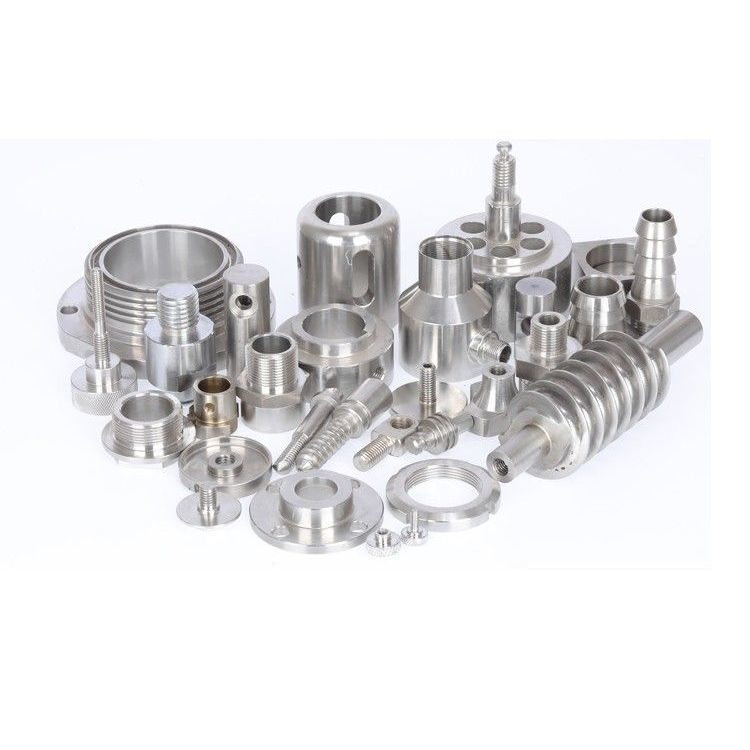
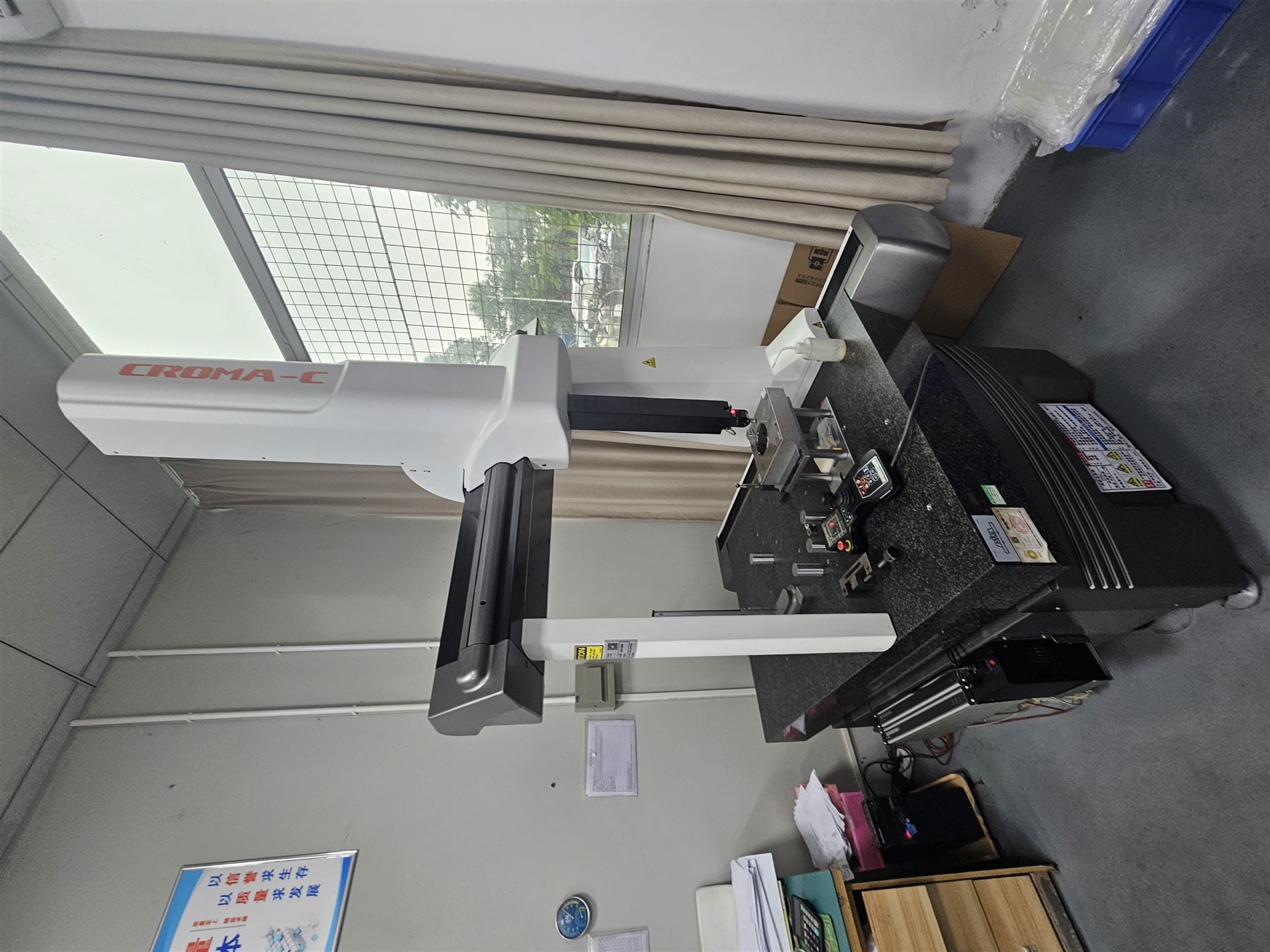
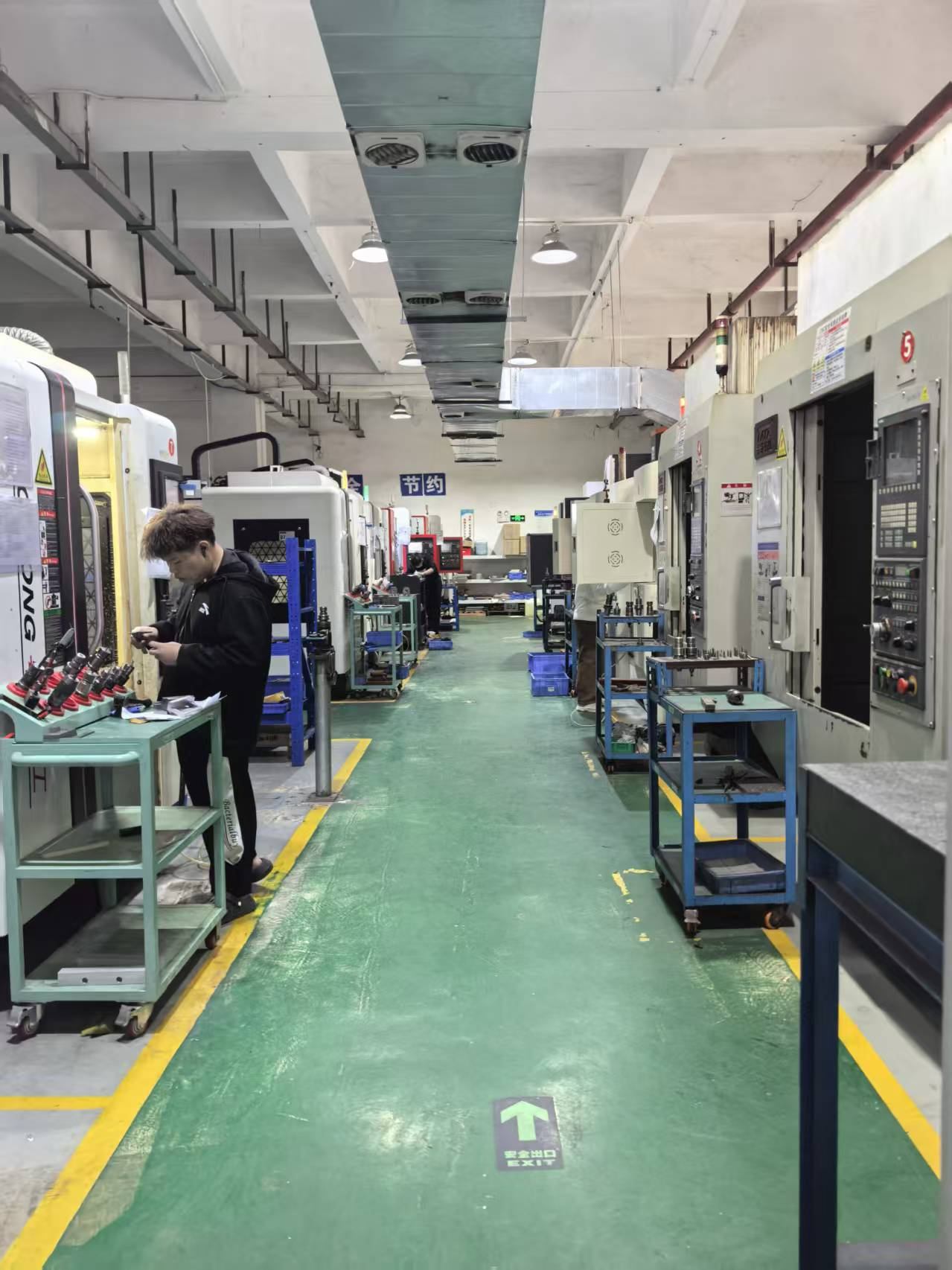
Selected workshop and part images from XHR's website media library. More project photos can be added as case studies grow.
Yes. One-off prototype machining is available after manufacturability review.
Yes, when the material is available and suitable for machining. Using production material helps validate function and finish more accurately.
XHR can point out manufacturability and tolerance concerns, while the customer keeps control of final design decisions.
A prototype is useful only when it answers a specific engineering question. Before quoting, XHR reviews whether the prototype should validate fit, movement, material behavior, cosmetic finish, sealing, assembly or repeat-production risk.
State whether the sample is for fit check, functional test, customer approval, fixture validation or pre-production review.
Use the final material when strength, wear, corrosion resistance, thermal behavior or surface finish matters.
Keep the 2D drawing, 3D model and prototype notes under the same revision so later batch production is not based on mixed files.
Send drawings, quantity, material, tolerance notes and the test purpose so XHR can quote the correct prototype route.
Send drawings and requirements to XHR. We will review process, material, tolerance, finishing, delivery, and packing needs.