Material
Aluminum or stainless steel depending on weight, stiffness, corrosion resistance and assembly function.
This anonymous case-style page explains how XHR reviews a complex bracket when multi-face features, angled holes and datum relationships may justify 5-axis CNC machining.
Case evidence summary
This anonymous case-style record shows when 5-axis machining can reduce datum-transfer and multi-setup alignment risk on a complex bracket. The published review compared 3-axis and 5-axis routes, then prioritized angled holes, mating faces and measurable datum relationships before quotation.
| Evidence area | Published case evidence |
|---|---|
| Material and process | Aluminum or stainless steel with a 5-axis process review for angled faces, multi-side holes and fewer datum transfers. |
| Critical risk | Extra setups could increase alignment error, tool-access difficulty and uncertainty when inspecting angled features. |
| Control method | Identify functional faces in 2D and 3D, compare process routes and define measurement access before machining. |
| Published outcome | The record explains when added 5-axis cost was justified and why clear assembly datums improved process selection. |
Evidence status: Anonymous case-style record; customer identity, drawings and sensitive dimensions are withheld.
Customer names, drawings and sensitive dimensions are protected for confidentiality. This page explains the type of project review XHR can provide for similar RFQs.
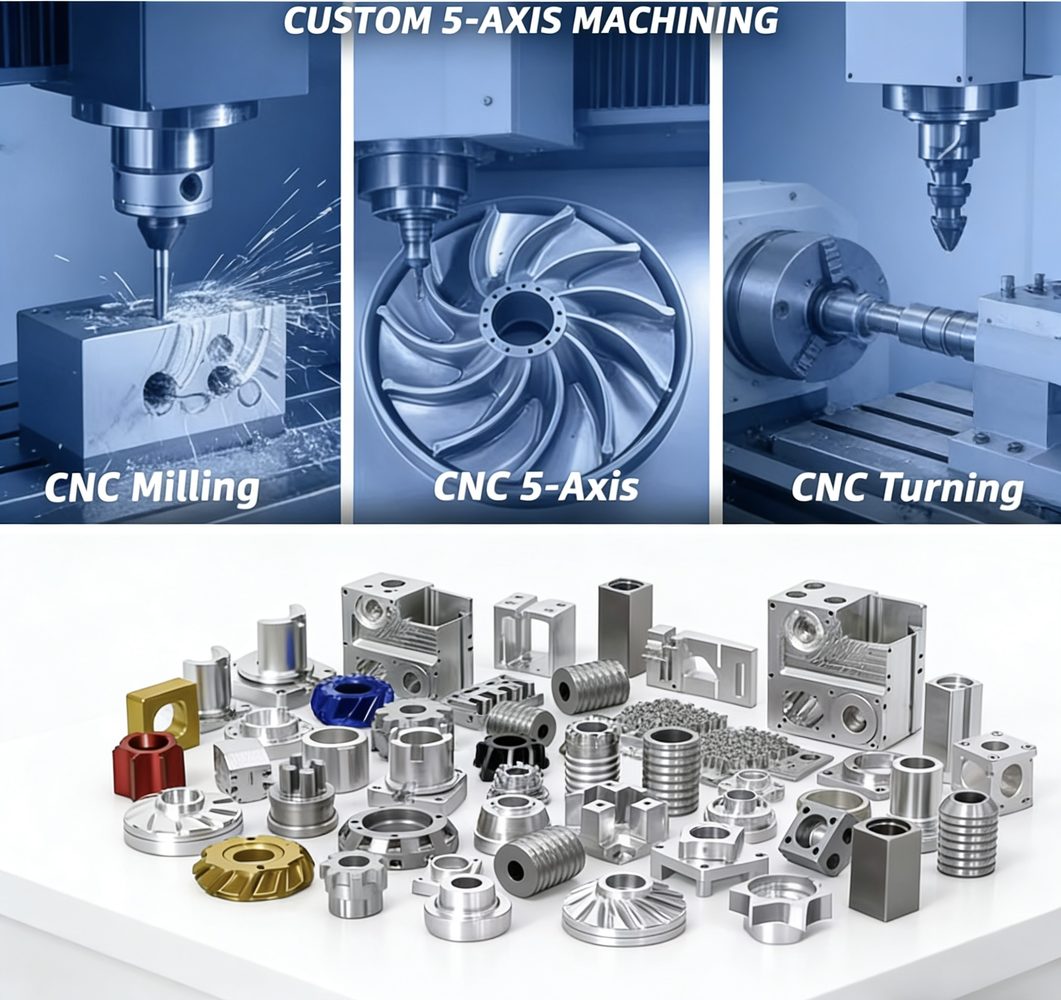
Aluminum or stainless steel depending on weight, stiffness, corrosion resistance and assembly function.
5-axis machining review for angled faces, multi-side holes and reduced setup error.
Datum relationship, angled hole position, profile accuracy and mating face alignment.
Prototype complex bracket with manufacturability review before repeat production.
The bracket had features on multiple faces, making datum transfer and fixture planning important. A simple 3-axis process could add extra setups and increase the risk of alignment error.
The project-style review helped the buyer understand when 5-axis machining was worth the added cost. The main RFQ lesson was to mark the functional faces and assembly datums clearly so machining strategy could match real part function.
For complex brackets, buyers usually need proof that the supplier understands functional datums before discussing price. This review path helps similar RFQs move from a drawing upload to a practical machining plan.
Confirm which faces locate the part in the final assembly, which angled holes are functional, and whether the quote should prioritize fewer setups or lower machining cost.
Ask for process-route feedback, critical dimension review and inspection-report requirements before production. This reduces ambiguity on parts with multi-face datum transfer.
This case type is useful for overseas buyers because complex brackets with angled holes, multi-face features and datum relationships often look simple in drawings but can create assembly, inspection or delivery risk if the manufacturing details are not reviewed before quoting.
Before quotation, the buyer should separate functional dimensions from general dimensions, mark critical datums, confirm material grade, surface finish, quantity and delivery target, and explain how the part will be assembled or tested.
The main risk in this type of project is setup error, tool access, datum transfer and inspection of angled features. XHR reviews these points before production so the quote is based on the real function of the part, not only on outer size and material.
For similar RFQs, inspection planning should be discussed early. Critical dimensions, fitted areas, threaded features, mating faces and cosmetic surfaces may need different checking methods and different reporting requirements.
Send a STEP or STP file together with a 2D PDF drawing. If you have previous supplier issues, sample photos, assembly notes or inspection requirements, include them in the RFQ so engineering review can focus on the actual risk.
Yes. Prototype quantity and expected repeat quantity can be quoted separately because setup, inspection and batch consistency requirements may be different.
Inspection reports can be provided on request. Please mark critical dimensions and reporting requirements in the drawing or RFQ message before production starts.
Yes. XHR can review material, tolerance, machining access, surface finish and inspection risk before confirming the final quotation.
Include 2D/3D drawings, material, quantity, finish, tolerance notes, application, inspection needs, delivery destination and any NDA or packaging requirements.
Send drawings, material, quantity, tolerance, finish and delivery requirements. XHR will review process risk and quotation details.