Common fixture components
XHR can machine locating blocks, clamp blocks, support blocks, stop blocks, adapter plates, tooling spacers, positioning plates and custom fixture components from 2D and 3D drawings.
Locating blocks and fixture components help control repeat position, assembly fit and inspection consistency. These parts often require accurate datum faces, stable material, precise holes, clean edges and reliable batch repeatability.
Buyers searching for CNC machined locating blocks and fixture components usually need more than a general machining supplier. They need a shop that can understand function, assembly risk, tolerance notes, finish requirements and inspection expectations from drawings.
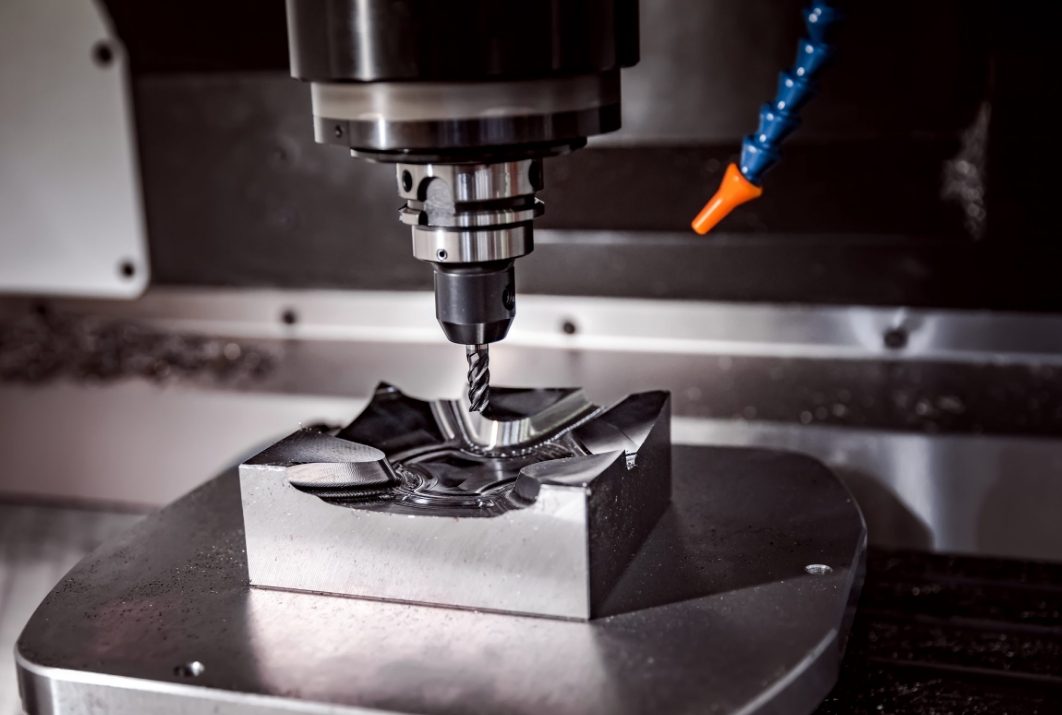
XHR can machine locating blocks, clamp blocks, support blocks, stop blocks, adapter plates, tooling spacers, positioning plates and custom fixture components from 2D and 3D drawings.
Send material, quantity, tolerance notes, surface finish, datum references, fitted surfaces and the assembly function. Mark any faces that touch the workpiece or control repeat location.
Key checks may include flatness, parallelism, perpendicularity, hole position, thread quality, slot width, burr control and critical dimensions for repeated fixture assembly.
For custom automation parts, the application is often more important than the outside shape. A bracket, block or fixture component may look simple in the drawing, but it can control robot position, sensor alignment, clamp repeatability or assembly clearance. Sharing the part function helps XHR review machining risk and quote with fewer assumptions.
For prototype parts, XHR checks whether the first sample should prove fit, motion, weight, surface condition, tolerance or assembly position. This helps separate functional dimensions from non-critical geometry.
For repeat orders, the most important points are drawing revision control, material consistency, inspection method, packing protection and whether the part belongs to a matched set.
Cost can rise when all dimensions are marked tight. A better RFQ marks the critical mounting holes, fitted surfaces, datum references and cosmetic areas that truly affect the equipment.
Aluminum 6061 and 7075 are common when weight reduction and fast machining matter. Stainless steel may be selected for wear, strength or corrosion resistance. Surface finish can include anodizing, passivation, black oxide, polishing, sandblasting or simple deburring depending on assembly and appearance requirements.
A complete RFQ helps XHR quote faster and reduces avoidable assumptions.
Yes, but a 3D model usually makes the quotation faster and more accurate. If you only have a PDF, DWG or DXF drawing, include material, quantity, tolerance and finish notes.
Yes. Inspection records can be discussed before production, especially for fitted holes, datum surfaces, flatness, thread quality and dimensions that affect assembly.
Yes. XHR supports prototypes, low-volume batches and repeat custom CNC machined parts after validation. Include expected repeat quantity if known.
Send drawings, material, quantity, finish and inspection requirements. XHR will review machining risk and quote based on your actual part function.
Related Part Path
Part-type pages should help buyers connect function, material, drawings, tolerance and quotation details.