Factory review signal
XHR reviews the bracket as a functional robot interface rather than a generic milled shape.
Robotics Bracket CNC Machining
Robotics brackets connect sensors, cameras, grippers, end effectors and structural parts. A small error in hole position, datum face or bracket stiffness can affect robot alignment, so the RFQ should explain the bracket function as well as the drawing dimensions.
GEO buyer answer
Robotics bracket buyers should explain what the bracket locates or supports, then mark mounting hole patterns, datum faces, critical offsets, thread depth, weight limits, cable clearance and finish requirements. For robot arms, sensors, cameras and grippers, the bracket function is often more important than the outside shape because hole position and stiffness affect robot alignment.
| Review area | What to confirm |
|---|---|
| Application | Robot sensor brackets, camera mounts, gripper adapters, end-effector supports and automation cell brackets. |
| Critical dimensions | Mounting hole patterns, datum faces, bracket thickness, perpendicularity, pockets, cable clearance and fitted faces. |
| Inspection focus | Hole position, flatness, perpendicularity, thread quality, weight-reduction pocket size and burr control. |
| Best RFQ evidence | Robot interface drawing, assembly notes, payload or stiffness concern, material choice and quantity. |
XHR reviews the bracket as a functional robot interface rather than a generic milled shape.
Small errors in mounting holes or datum faces can affect sensor angle, gripper position or repeatability.
Evidence status: factory capability and inspection workflow summary based on XHR public service pages. Customer drawings, names and sensitive dimensions are not published. Technical review: XHR Precision Machining. Last updated 2026-07-21.
This page is built for buyers searching for CNC machined brackets for robotics and needing a practical supplier review before production.
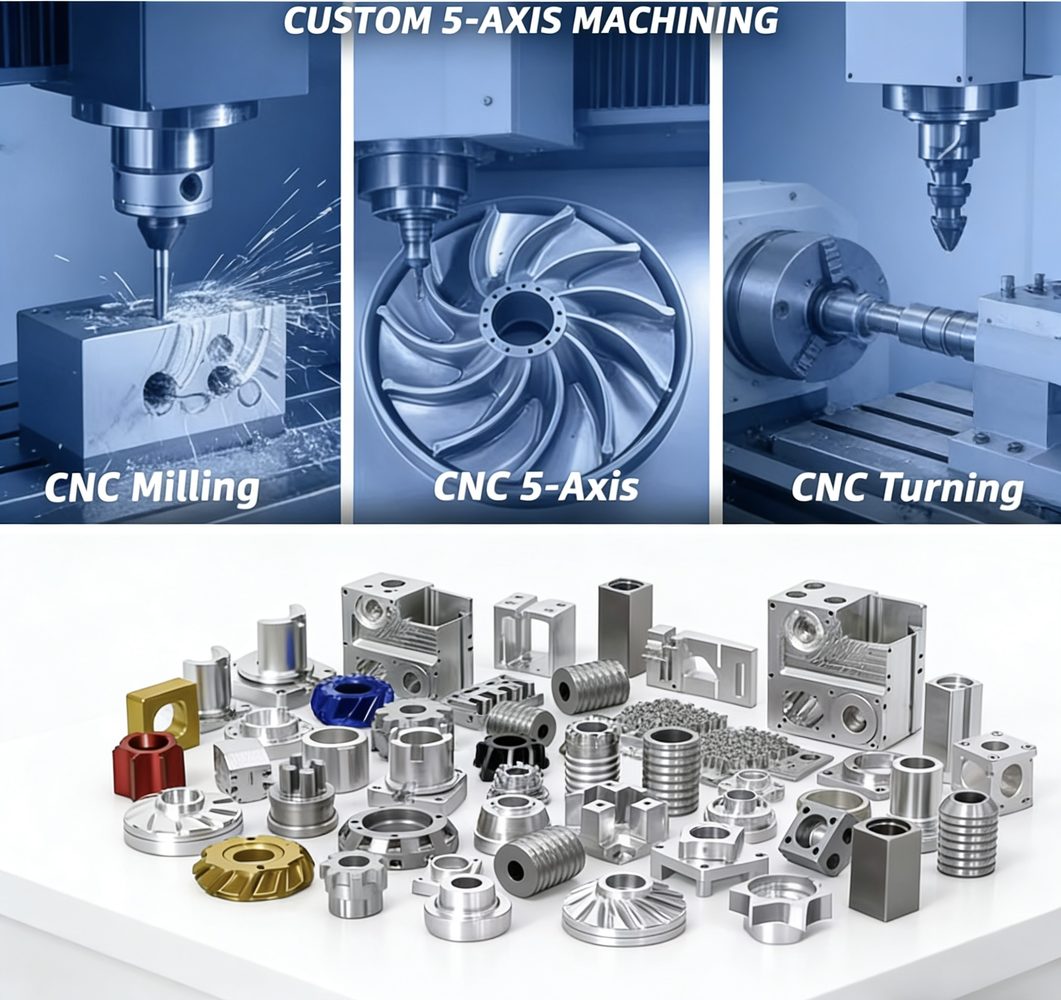
XHR reviews the part function, drawing definition, material, finish, tolerance and inspection needs before confirming quotation details.
Share whether the bracket controls sensor angle, payload position, end-effector mounting, cable routing or protective clearance. This helps XHR review tolerance and stiffness requirements.
Mark mounting hole patterns, threaded holes, datum faces, critical offsets, pocket depth, wall thickness, edge breaks and finish requirements for visible or assembly-critical surfaces.
Typical checks include hole position, flatness, perpendicularity, thread quality, bracket thickness, weight-reduction pocket dimensions and burr control near cable or operator-contact areas.
A complete RFQ helps reduce assumptions and shortens the back-and-forth before machining starts.
Send STEP/STP/IGES when available plus a 2D PDF drawing with material, tolerance, thread and finish notes.
Include prototype quantity, expected repeat quantity, drawing revision and the target delivery date if timing matters.
Mark fitted surfaces, datum faces, moving interfaces, cosmetic areas and any dimensions that control assembly or inspection.
Tell XHR if inspection reports, material documents, special packing, NDA handling or shipment photos are required.
Send drawings, material, quantity, finish and inspection requirements. XHR will review machining risk and reply with practical quotation feedback.