01
◎
High MOQ Rejection
Many factories do not want small prototype or bridge-production orders.
XHR reviews prototype and low-volume RFQs when drawings and requirements are clear.
Overseas buyers often need only a few custom parts first, but still need real material, practical tolerances and supplier support for later repeat production.
Many factories do not want small prototype or bridge-production orders.
Prototype parts are often needed before testing, trade shows or assembly deadlines.
Prototype designs often change after fit or function testing.
Applying tight tolerance everywhere increases cost and slows quotation.
Most CNC machining problems are not caused by one dimension alone. They come from unclear function, missing datum notes, unsuitable tolerance choices, material behavior, finishing sequence or inspection gaps.
Many factories do not want small prototype or bridge-production orders. This issue usually appears when drawings do not separate cosmetic dimensions from functional dimensions, or when process risk is not reviewed before quoting.
Prototype parts are often needed before testing, trade shows or assembly deadlines. This issue usually appears when drawings do not separate cosmetic dimensions from functional dimensions, or when process risk is not reviewed before quoting.
Prototype designs often change after fit or function testing. This issue usually appears when drawings do not separate cosmetic dimensions from functional dimensions, or when process risk is not reviewed before quoting.
Applying tight tolerance everywhere increases cost and slows quotation. This issue usually appears when drawings do not separate cosmetic dimensions from functional dimensions, or when process risk is not reviewed before quoting.
Before machining starts, XHR reviews the drawing like a production risk map: which features affect assembly, which features affect appearance, and which features need inspection proof.
XHR reviews prototype and low-volume RFQs when drawings and requirements are clear. XHR also reviews drawing notes, tolerance stack-up, material condition, finish sequence and inspection method before confirming production details.
Material, process and finish risks are checked early to avoid avoidable delays. XHR also reviews drawing notes, tolerance stack-up, material condition, finish sequence and inspection method before confirming production details.
Revision control and clear RFQ notes help protect the next batch from old requirements. XHR also reviews drawing notes, tolerance stack-up, material condition, finish sequence and inspection method before confirming production details.
Only functional dimensions are marked as critical so cost and quality can stay balanced. XHR also reviews drawing notes, tolerance stack-up, material condition, finish sequence and inspection method before confirming production details.
Clear RFQ information helps avoid quote delays and prevents misunderstandings after production starts.
We review drawings, material, critical dimensions, surface finish, inspection focus and delivery requirements before quoting. The goal is to reduce avoidable surprises before parts enter production.
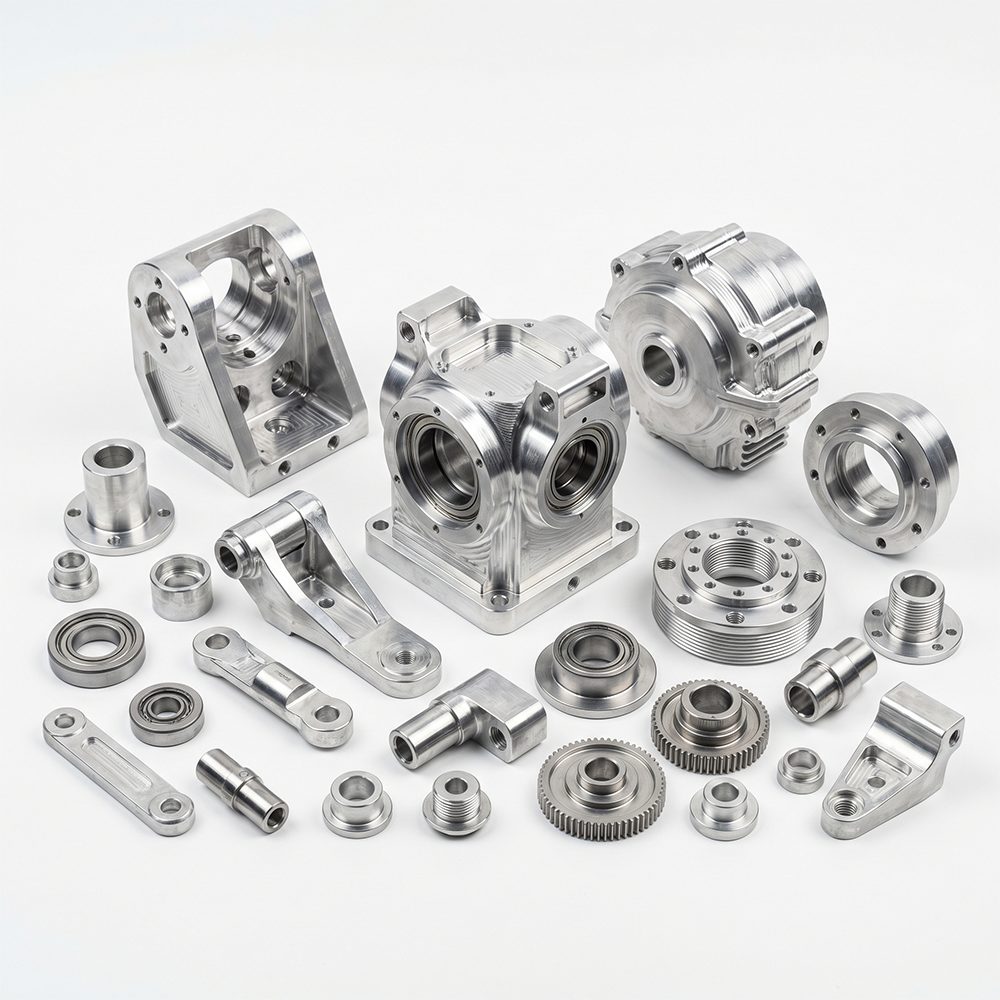
For custom CNC machined parts, price and lead time should be reviewed together with inspection requirements. XHR can check drawings, critical tolerances, material notes, surface finish and reporting needs before production.
Yes. XHR can review 2D drawings, 3D files, material requirements, tolerances, surface finish and inspection notes before quoting.
A clear RFQ should include drawings or 3D files, material, quantity, tolerance requirements, finish requirements and target delivery time.
Yes. XHR supports prototype, low-volume and repeat production for custom CNC machined parts based on customer drawings.