Common use
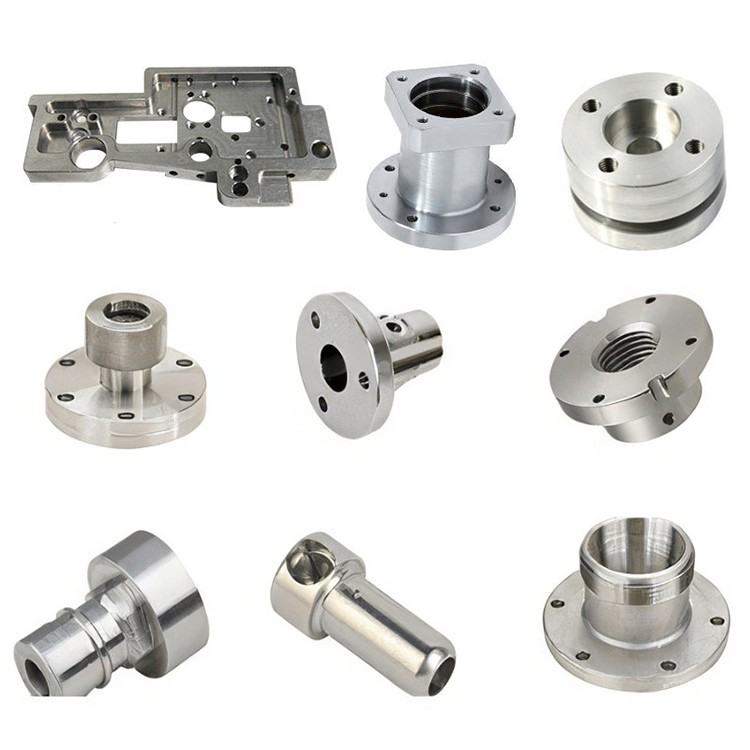
Aerospace hardware, medical parts, high-strength brackets, precision fasteners and special connectors
Titanium parts are selected when strength, corrosion resistance and lightweight performance matter. The quote should reflect machining difficulty, tool wear, tolerance risk and the actual application instead of treating titanium like a generic metal.
Use this page when you already have drawings or a part concept and need to decide whether XHR is a fit for the process, material and inspection requirements.
Titanium can be expensive to machine because it demands better process control and more tool care.
Material grade, feature depth, tolerance, thread quality and inspection steps all matter.
Critical surfaces, bearing areas, threads and cosmetic faces should be called out clearly.
Aerospace parts, medical parts, robotics hardware and high-value precision components.
Titanium should not be quoted like aluminum or steel because the process risk is different.
Surface condition and visible marks should be stated for high-value parts.
Only functional dimensions should carry the strictest tolerance budget.
XHR checks whether the geometry and grade can be machined without unnecessary risk.
Critical dimensions and mating surfaces are separated from general geometry.
For titanium parts, the inspection plan should match the real application and risk points.
Yes. The geometry, grade and inspection requirements are reviewed before quotation.
Usually yes, because tool wear and process control are more demanding.
Send the drawing, grade, quantity, finish and the dimensions that control function.
Send the drawing, quantity and finish requirements. XHR will review the part before quoting.