Common grades
6061 for general parts, 7075 for stronger parts, and other grades after review
Aluminum is often chosen for lightweight precision parts, fixtures and enclosures. The supplier still needs to understand finish, wall thickness, cosmetic faces and how the part will behave after machining or anodizing.
Use this page when you already have drawings or a part concept and need to decide whether XHR is a fit for the process, material and inspection requirements.
It is light, machinable and practical for enclosures, brackets, plates and machine hardware.
Thin walls, tight corners and finish buildup can change cost and dimensional behavior.
Cosmetic faces, threaded holes, mating surfaces and post-finish dimensions should be clear.
Ask how the part will be held, finished and inspected before you approve the quote.
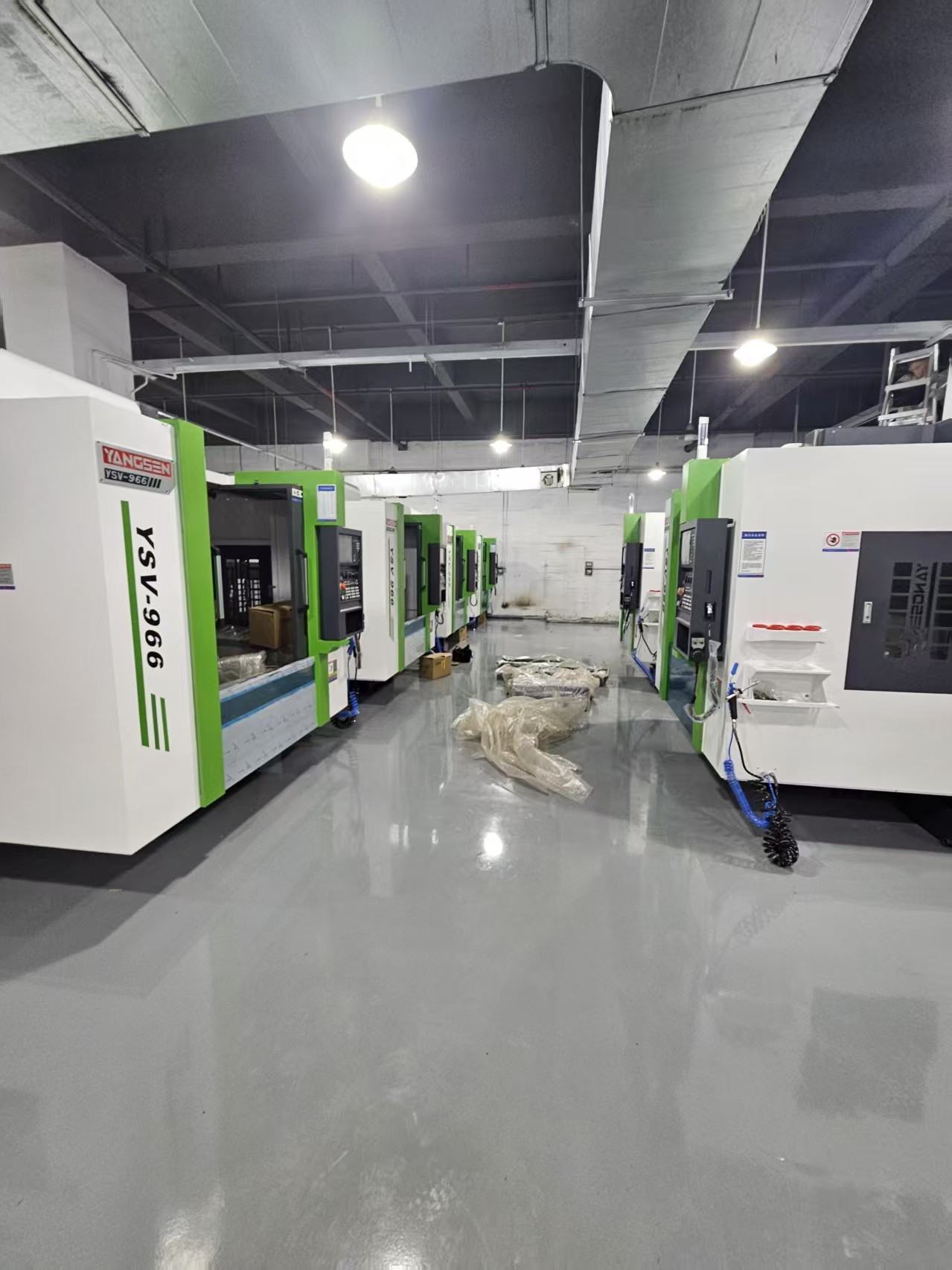
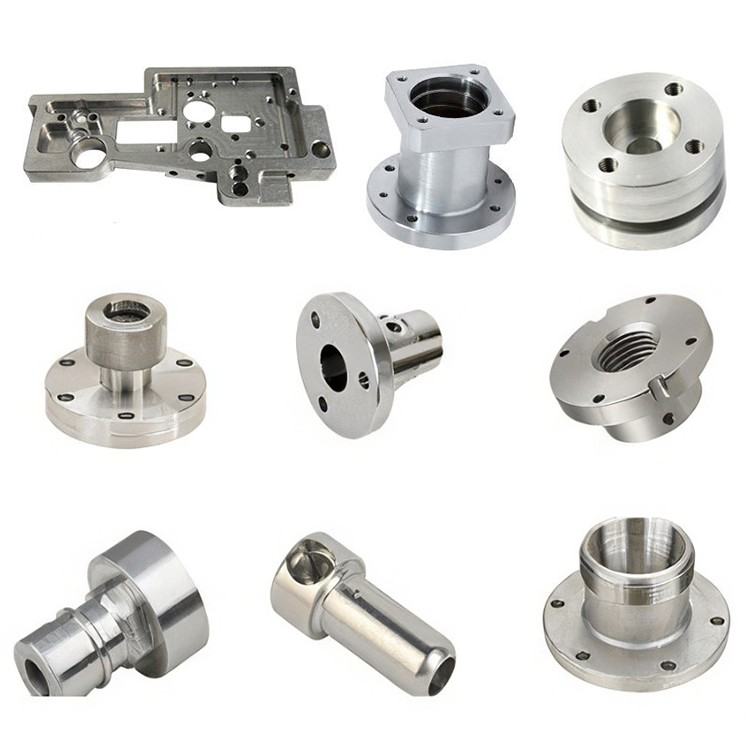
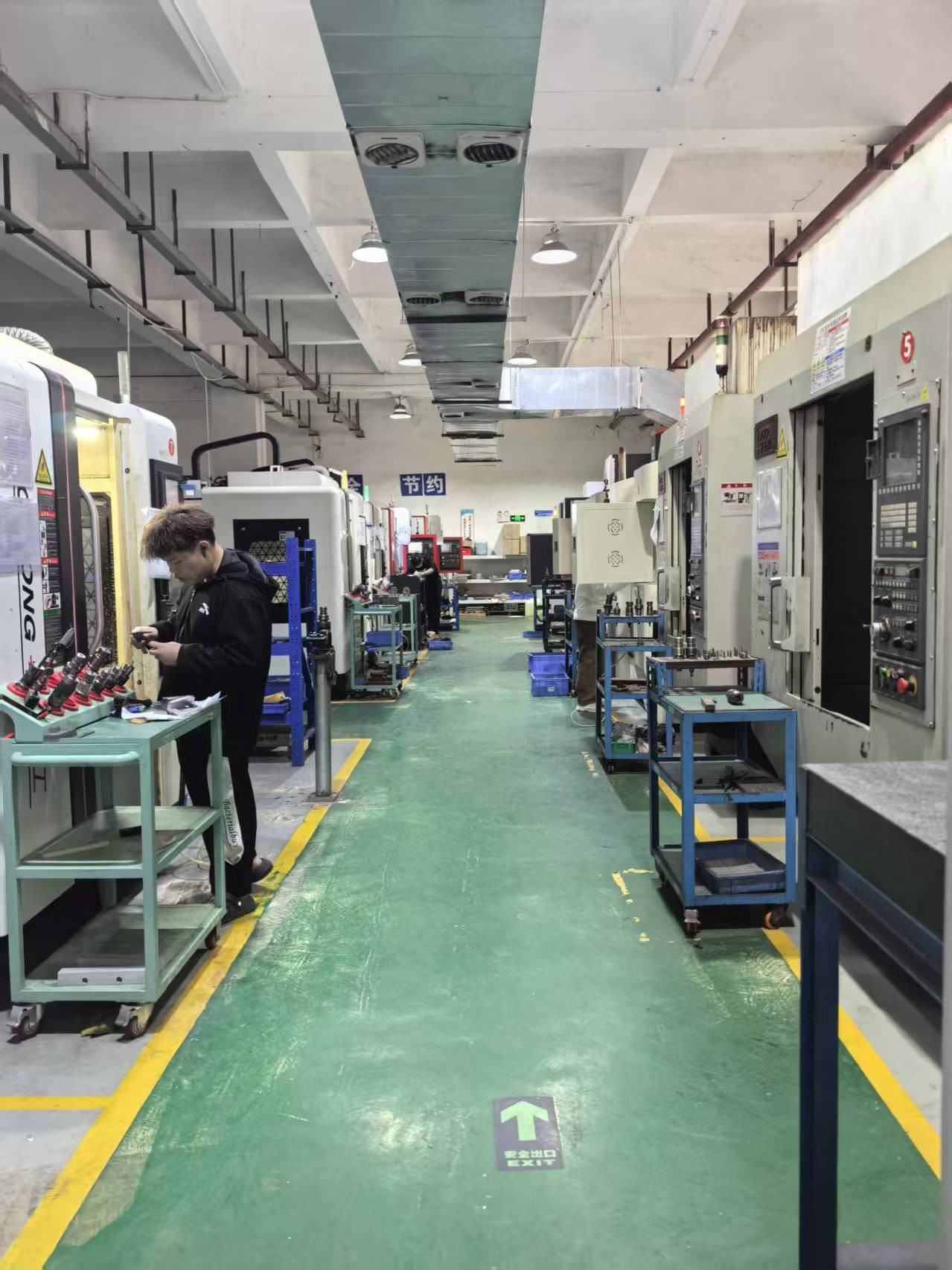
Coating buildup and edge treatment can affect dimensions if they are not planned early.
These surfaces should not be treated the same way in the RFQ.
6061 and 7075 solve different problems, so the grade should match the part function.
XHR checks whether 6061, 7075 or another grade fits the application and cost target.
The team reviews cosmetic and functional surfaces before finish decisions are locked in.
Wall thickness, pocket depth and fixture stability are reviewed before quoting.
6061 and 7075 are the most common starting points, but the application decides the final grade.
Yes. Color, finish type and cosmetic expectations should be written clearly.
Yes. Enclosures, housings, plates and brackets are common drawing-based parts.
Send the drawing, quantity and finish requirements. XHR will review the part before quoting.