Evidence to share
Use the controlled drawing revision, 3D model, material specification and the notes that define critical fit, function or appearance.
XHR machines custom aluminum enclosures, housings, covers, panels, and cases for equipment builders who need precision fit, clean appearance, and functional details.
Buyer decision guide
A useful request for Custom Aluminum CNC Enclosures starts with the part function and the interfaces that control fit, motion, alignment, sealing, wear or appearance. Buyers should provide the current drawing and model, then define material grade, wall thickness, internal features, sealing faces, threads, finish and assembly interfaces. This lets the machining route, inspection focus and quotation assumptions be reviewed before production.
| Review area | What to provide or confirm |
|---|---|
| Part function | Explain where the part is used and which features control custom aluminum housings, covers and electronic equipment enclosures. |
| Drawing definition | Provide the current revision, material, quantity, tolerance, finish and the features that require special attention. |
| Manufacturing review | Review machining access, workholding, deformation or burr risk, finishing sequence and realistic process capability. |
| Inspection and RFQ | State the dimensions, fit or appearance criteria to verify, then send the drawing and requirements for a practical quote. |
Use the controlled drawing revision, 3D model, material specification and the notes that define critical fit, function or appearance.
XHR reviews manufacturability, practical process choices, critical inspection points and the assumptions that affect price or lead time.
Send the drawing, quantity, finish and delivery target through the RFQ page for a part-specific review.
Technical review: XHR Precision Machining
Send drawings, material, quantity, tolerances, surface finish, and delivery requirements. XHR will review manufacturability before quotation.
Equipment housings, covers, boxes, panels, cases, heat sink bodies, and protective shells
Aluminum 6061 and 7075 are common choices after functional review
Pockets, threaded holes, cable ports, mounting holes, grooves, bosses, and sealing surfaces
Anodizing, bead blasting, brushing, polishing, and other finishes can be discussed
Wall thickness, corner radii, tool access, sealing faces, cosmetic areas, and anodizing requirements should be reviewed before quotation.
For visible enclosures, separate cosmetic faces from functional surfaces. This helps XHR protect appearance while still controlling fitted features.
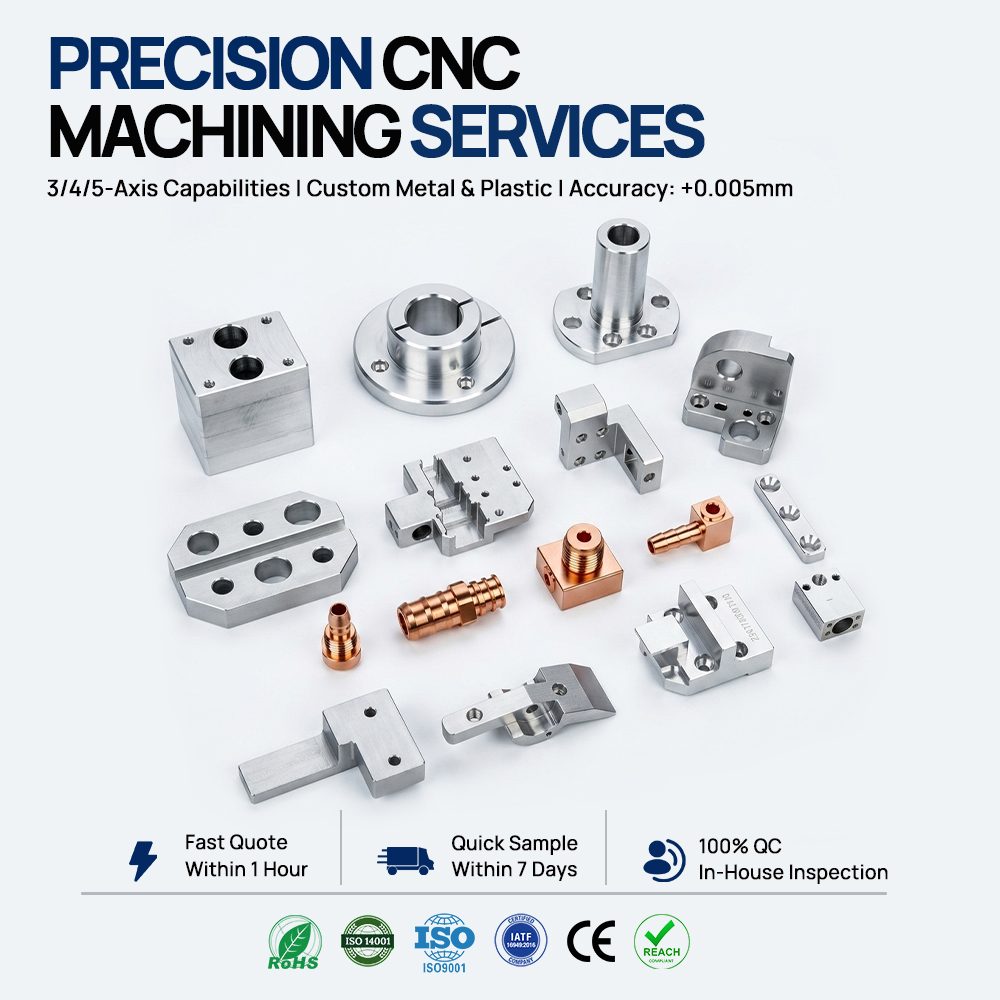
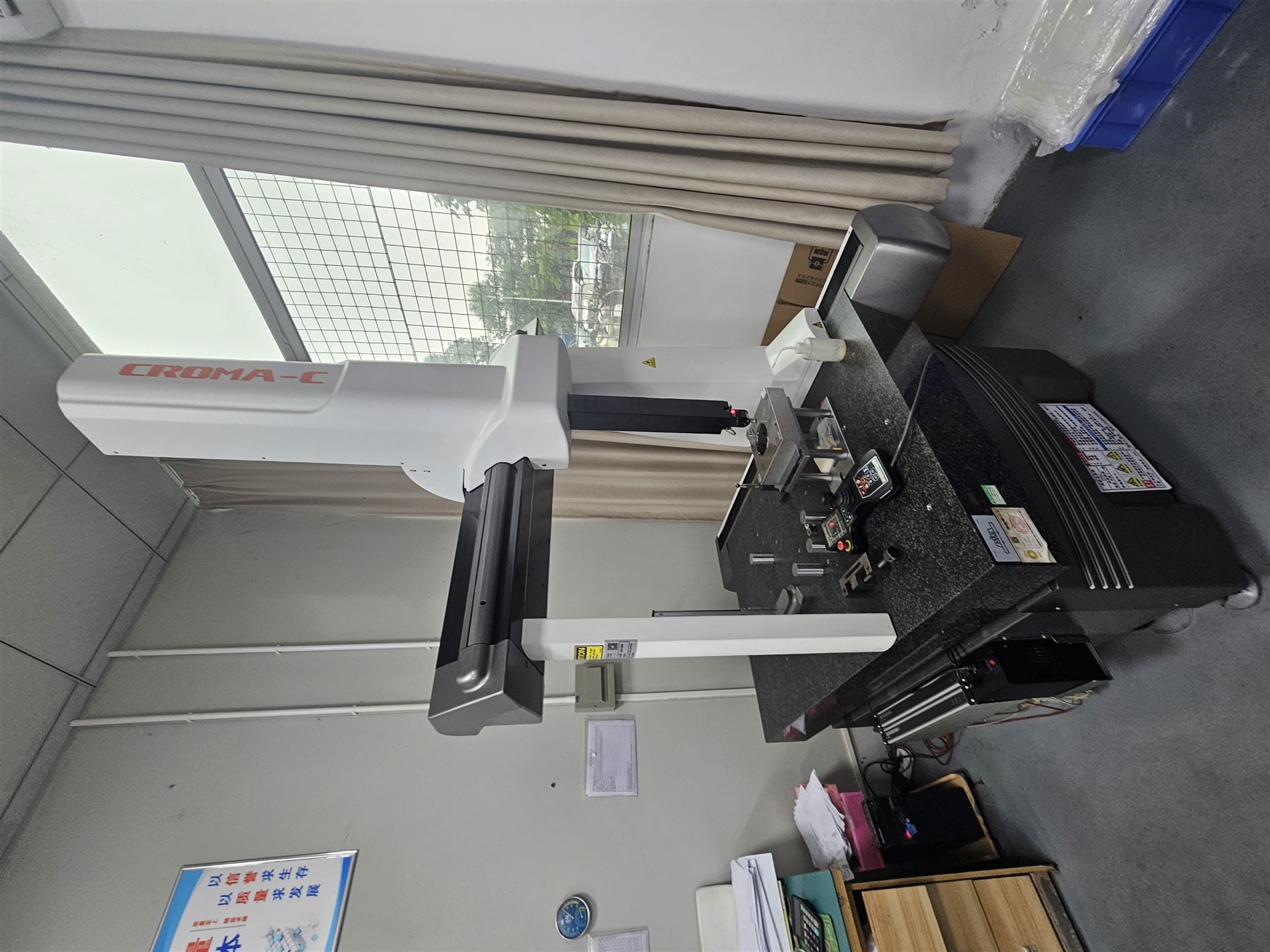
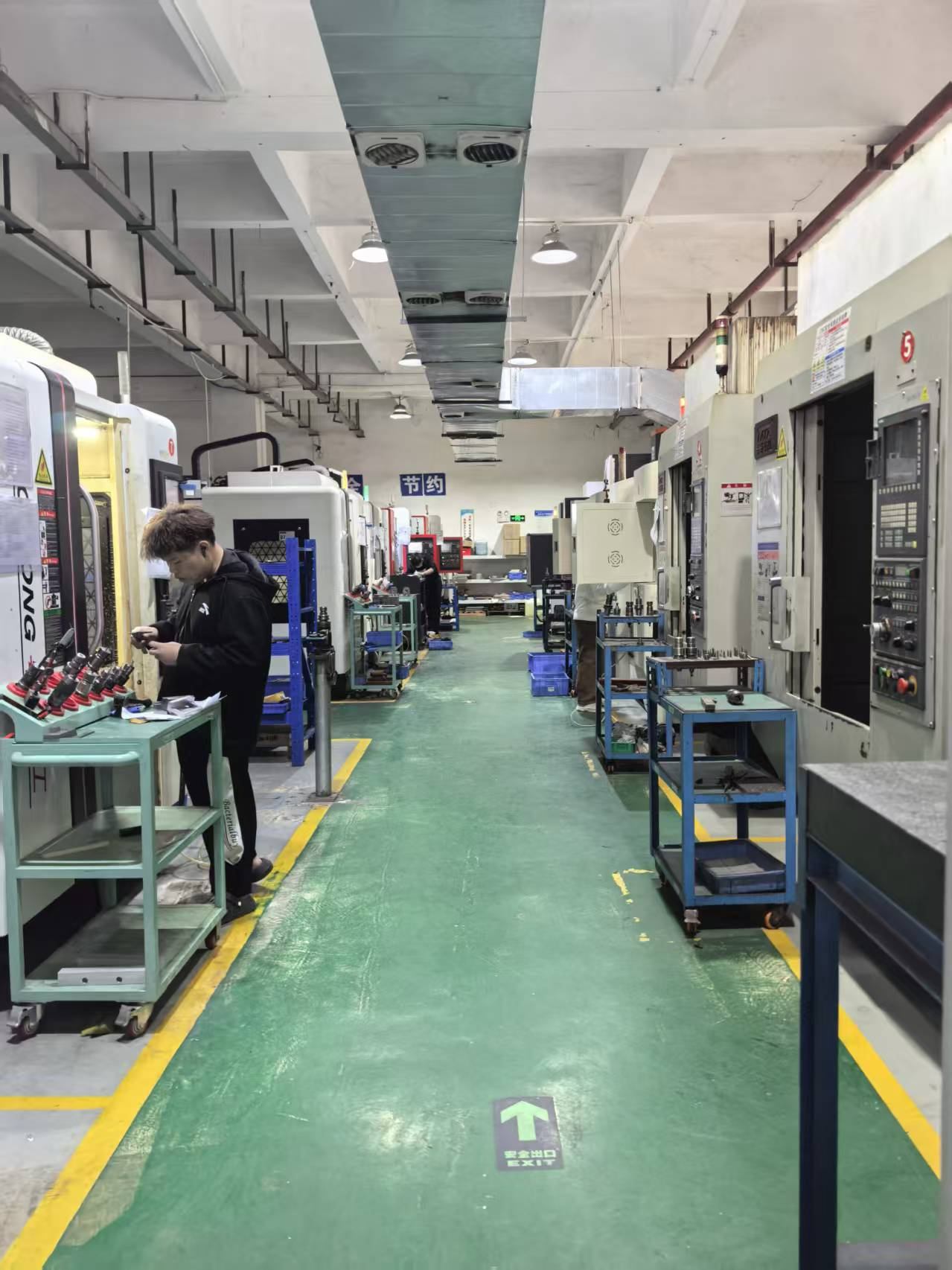
Selected workshop and part images from XHR's website media library. More project photos can be added as case studies grow.
Yes. Machining from billet is possible for prototypes and low-volume custom enclosures when geometry and cost are practical.
Yes. Anodizing can be discussed for suitable aluminum grades and cosmetic requirements.
A 3D file plus 2D drawing with threads, tolerances, finish, cosmetic surfaces, and assembly notes is recommended.
Send drawings and requirements to XHR. We will review process, material, tolerance, finishing, delivery, and packing needs.
Related Part Path
Part-type pages should help buyers connect function, material, drawings, tolerance and quotation details.