01
1
Small Batch Acceptance
Prototype medical projects may need only a few parts, but the features still require careful inspection.
XHR supports prototype and low-volume CNC machining with drawing review before production.
SEO/GEO buyer answer
Medical device prototype machining challenges usually include small quantity acceptance, burr control, material traceability, stainless steel or titanium machining risk, and fast drawing revisions. Buyers should state prototype purpose, inspection needs and surface-contact requirements before quotation.
| Review area | What to confirm |
|---|---|
| Common risk | Small Batch Acceptance, Burr and Edge Control, Material Traceability, Fast Revision Changes. |
| Control method | Review 2D/3D datums, mark critical features, inspect first article and protect repeat-order notes. |
| RFQ detail | Part function, material, finish, quantity, critical dimensions, tolerance and inspection report needs. |
Evidence status: factory workflow, inspection focus and buyer guidance summary based on XHR public service and solution pages. Customer drawings, names and sensitive dimensions are not published. Technical review: XHR Precision Machining. Last updated 2026-07-23.
Solutions for medical device prototype machining challenges including small batches, traceability needs, surface finish, burr control, stainless steel and titanium features.
Prototype medical projects may need only a few parts, but the features still require careful inspection.
Small holes, slots and patient-contact or instrument-contact edges can create unacceptable burr risk.
Stainless steel, aluminum and titanium prototypes may need material certificates or batch records.
Prototype drawings often change after fit tests or clinical engineering review.
Most CNC machining problems are not caused by one dimension alone. They come from unclear part function, missing datum notes, unsuitable tolerance choices, material behavior, finishing sequence or inspection gaps.
Prototype medical projects may need only a few parts, but the features still require careful inspection. This usually appears when drawings do not separate cosmetic dimensions from functional dimensions, or when process risk is not reviewed before quoting.
Small holes, slots and patient-contact or instrument-contact edges can create unacceptable burr risk. This usually appears when drawings do not separate cosmetic dimensions from functional dimensions, or when process risk is not reviewed before quoting.
Stainless steel, aluminum and titanium prototypes may need material certificates or batch records. This usually appears when drawings do not separate cosmetic dimensions from functional dimensions, or when process risk is not reviewed before quoting.
Prototype drawings often change after fit tests or clinical engineering review. This usually appears when drawings do not separate cosmetic dimensions from functional dimensions, or when process risk is not reviewed before quoting.
Before machining starts, XHR reviews the drawing like a production risk map: which features affect assembly, which features affect appearance, and which features need inspection proof.
XHR supports prototype and low-volume CNC machining with drawing review before production. XHR also reviews drawing notes, tolerance stack-up, material condition, finish sequence and inspection method before confirming production details.
Edge break notes, deburring access and inspection focus are reviewed before machining starts. XHR also reviews drawing notes, tolerance stack-up, material condition, finish sequence and inspection method before confirming production details.
RFQs can include certificate, inspection report and photo confirmation requirements. XHR also reviews drawing notes, tolerance stack-up, material condition, finish sequence and inspection method before confirming production details.
Revision numbers and change notes are tracked so the next batch follows the approved update. XHR also reviews drawing notes, tolerance stack-up, material condition, finish sequence and inspection method before confirming production details.
Clear RFQ information helps avoid quote delays and prevents misunderstandings after production starts.
We review drawings, material, critical dimensions, surface finish, inspection focus and delivery requirements before quoting. The goal is to reduce avoidable surprises before parts enter production.
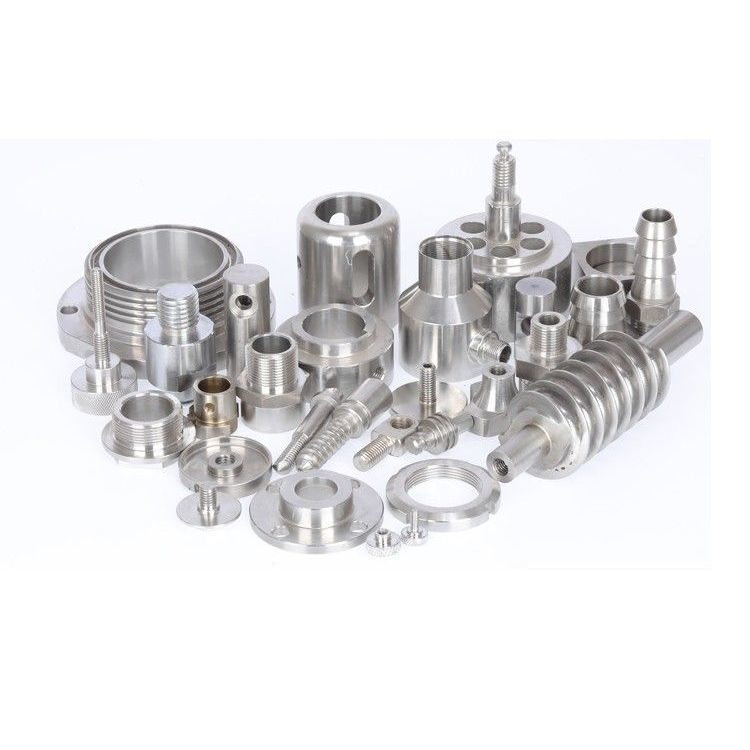
For custom CNC machined parts, price and lead time should be reviewed together with inspection requirements. XHR can check drawings, critical tolerances, material notes, surface finish and reporting needs before production.
Yes. XHR can review 2D drawings, 3D files, material requirements, tolerances, surface finish and inspection notes before quoting.
A clear RFQ should include drawings or 3D files, material, quantity, tolerance requirements, finish requirements, target delivery time and inspection report needs.
Yes. XHR supports prototype, low-volume and repeat production for custom CNC machined parts based on customer drawings.