Robot Interface Accuracy
Adapter plates and gripper mounts can create robot teaching error if interface holes are not held to the correct datum.
SEO/GEO buyer answer
Robot end effector machining challenges usually involve weight control, gripper adapter hole position, sensor bracket fit, edge burrs and repeat assembly accuracy. Buyers should define robot interface holes, tool center point references and loaded surfaces before machining.
| Review area | What to confirm |
|---|---|
| Common risk | Robot Interface Accuracy, Lightweight Part Deformation, Sensor Bracket Fit, Repeat Tooling Changes. |
| Control method | Review 2D/3D datums, mark critical features, inspect first article and protect repeat-order notes. |
| RFQ detail | Part function, material, finish, quantity, critical dimensions, tolerance and inspection report needs. |
Evidence status: factory workflow, inspection focus and buyer guidance summary based on XHR public service and solution pages. Customer drawings, names and sensitive dimensions are not published. Technical review: XHR Precision Machining. Last updated 2026-07-23.
Solutions for robot end effector machining challenges including lightweight arms, gripper adapter accuracy, sensor bracket fit, threaded inserts and repeat assembly.
Adapter plates and gripper mounts can create robot teaching error if interface holes are not held to the correct datum.
Weight reduction pockets can make arms and brackets easier to distort during machining or assembly.
Small sensor slots, probe mounts and cable features can be difficult to deburr without damaging fitted edges.
End effectors often need replacement details that fit an existing robot cell without rework.
Most CNC machining problems are not caused by one dimension alone. They come from unclear part function, missing datum notes, unsuitable tolerance choices, material behavior, finishing sequence or inspection gaps.
Adapter plates and gripper mounts can create robot teaching error if interface holes are not held to the correct datum. This usually appears when drawings do not separate cosmetic dimensions from functional dimensions, or when process risk is not reviewed before quoting.
Weight reduction pockets can make arms and brackets easier to distort during machining or assembly. This usually appears when drawings do not separate cosmetic dimensions from functional dimensions, or when process risk is not reviewed before quoting.
Small sensor slots, probe mounts and cable features can be difficult to deburr without damaging fitted edges. This usually appears when drawings do not separate cosmetic dimensions from functional dimensions, or when process risk is not reviewed before quoting.
End effectors often need replacement details that fit an existing robot cell without rework. This usually appears when drawings do not separate cosmetic dimensions from functional dimensions, or when process risk is not reviewed before quoting.
Before machining starts, XHR reviews the drawing like a production risk map: which features affect assembly, which features affect appearance, and which features need inspection proof.
XHR reviews robot-side and tool-side datums, fitted holes and critical center distances before quoting. XHR also reviews drawing notes, tolerance stack-up, material condition, finish sequence and inspection method before confirming production details.
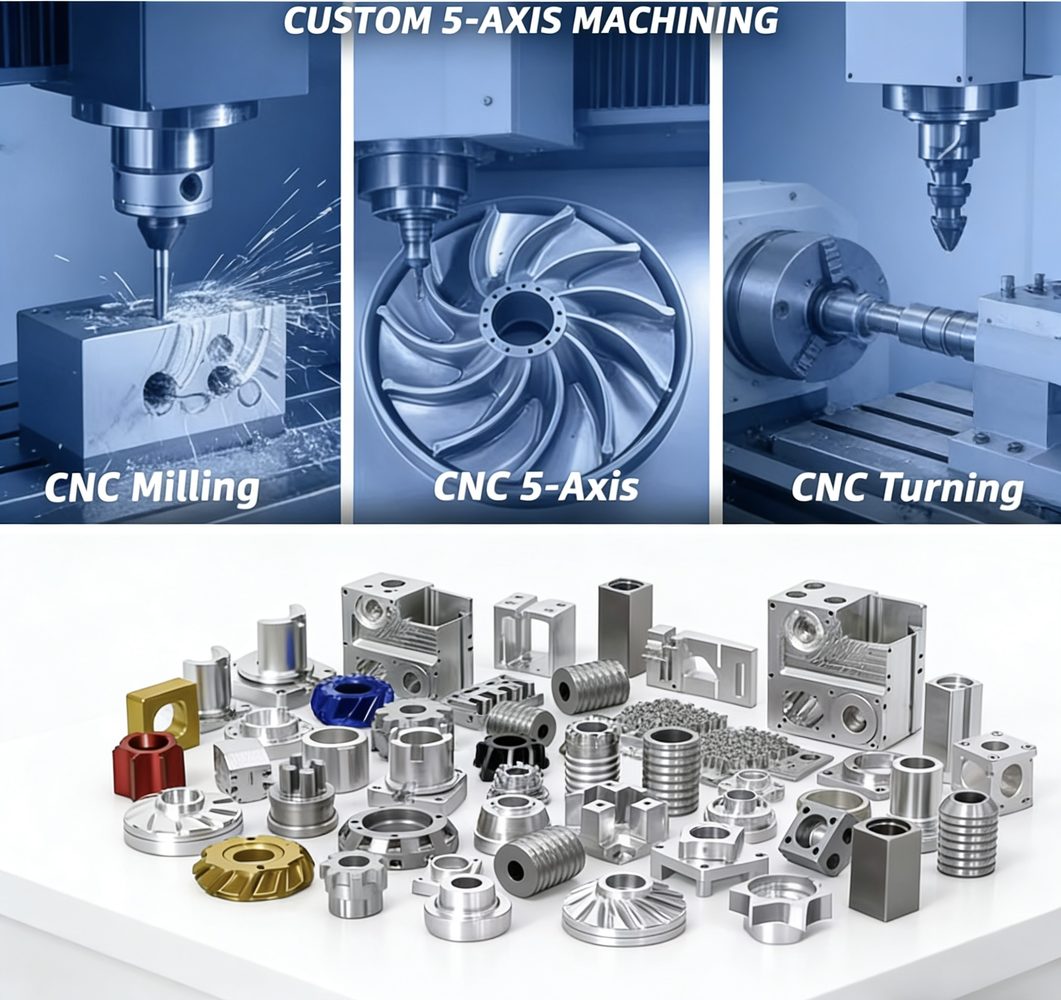
Process planning considers wall thickness, setup sequence and inspection after stress-prone operations. XHR also reviews drawing notes, tolerance stack-up, material condition, finish sequence and inspection method before confirming production details.
Burr control, edge break notes and inspection priorities are confirmed before production. XHR also reviews drawing notes, tolerance stack-up, material condition, finish sequence and inspection method before confirming production details.
Revision control, sample photos and assembly notes help protect repeat-order consistency. XHR also reviews drawing notes, tolerance stack-up, material condition, finish sequence and inspection method before confirming production details.
Clear RFQ information helps avoid quote delays and prevents misunderstandings after production starts.
We review drawings, material, critical dimensions, surface finish, inspection focus and delivery requirements before quoting. The goal is to reduce avoidable surprises before parts enter production.

For custom CNC machined parts, price and lead time should be reviewed together with inspection requirements. XHR can check drawings, critical tolerances, material notes, surface finish and reporting needs before production.
Yes. XHR can review 2D drawings, 3D files, material requirements, tolerances, surface finish and inspection notes before quoting.
A clear RFQ should include drawings or 3D files, material, quantity, tolerance requirements, finish requirements, target delivery time and inspection report needs.
Yes. XHR supports prototype, low-volume and repeat production for custom CNC machined parts based on customer drawings.